

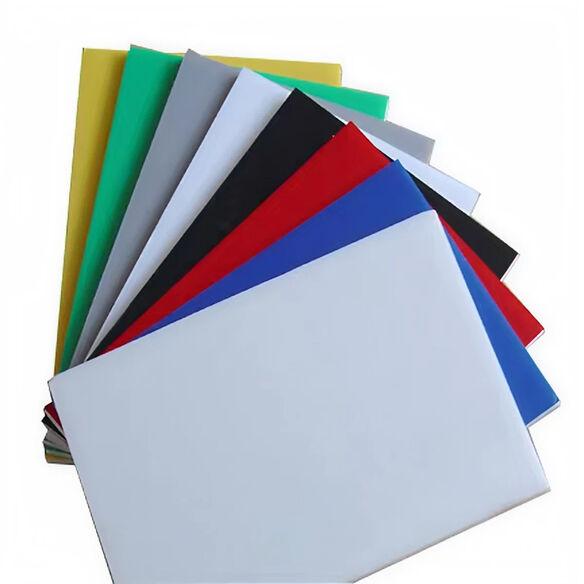

When packing fragile products for storage, shipping, or transportation, choosing the right packaging materials can make a significant difference. Items such as glassware, electronics, ceramics, decorative products, and sensitive components need proper protection against shocks, scratches, and accidental impacts. One of the most practical solutions is a foam sheet, which provides cushioning while keeping products safe during handling and transit.
In the UAE, where goods are frequently transported between warehouses, retail stores, construction sites, and customers, reliable protective packaging is essential. Foam sheets offer a lightweight, flexible, and cost-effective way to protect delicate items from everyday handling risks.
What Is a Foam Sheet?
A foam sheet is a lightweight cushioning material commonly made from polyethylene (PE) foam or other foam-based materials. It features a soft, flexible structure that helps absorb minor impacts and reduces direct contact between packaged items and surrounding surfaces.
Foam sheets are widely used in packaging because they are easy to cut, wrap, layer, and customize according to product dimensions. Whether protecting furniture, glass products, electronics, or industrial components, foam sheets provide a convenient protective layer for different packaging requirements.
How Does a Foam Sheet Protect Delicate Items?
1. Absorbs Shock and Impact
During transportation, packages may experience sudden movements, vibrations, or accidental bumps. Foam sheets help absorb and distribute some of the force generated by these impacts, reducing the risk of damage to delicate products.
Their cushioning properties make them useful for packing fragile goods, glassware, electronic equipment, and other sensitive items that require additional protection.
2. Prevents Scratches and Surface Damage
Products with polished, painted, coated, or delicate surfaces can easily develop scratches when rubbing against other items. Foam sheets create a soft barrier between products and packaging surfaces.
They are particularly useful for protecting furniture panels, metal finishes, decorative accessories, glass surfaces, and appliances during packing, storage, and transportation.
3. Reduces Friction Between Items
When multiple products are packed inside a carton, movement can cause friction and unwanted contact. Placing foam sheets between individual items helps separate them and minimizes rubbing.
This is especially beneficial when packing ceramics, plates, glass components, and manufactured products with delicate finishes.
4. Offers Lightweight Packaging Protection
One of the major advantages of foam sheets is their lightweight construction. Unlike heavier protective packaging materials, foam sheets add minimal weight to packed goods while providing cushioning.
For businesses handling bulk shipments across the UAE, lightweight packaging materials can help make packing, handling, and transportation more convenient.
5. Provides Flexible Packaging Solutions
Foam sheets are easy to cut into different sizes and shapes, making them suitable for products of varying dimensions. Businesses can use them as wrapping layers, separators, surface protectors, or cushioning inserts.
This flexibility makes foam sheets a practical packaging choice for manufacturers, distributors, retailers, furniture suppliers, and e-commerce businesses.
Where Are Foam Sheets Commonly Used?
Foam sheets are used across several industries in the UAE, including
-
Electronics: Protecting electronic devices, accessories, and sensitive components.
-
Furniture: Preventing scratches and surface damage during relocation or delivery.
-
Glass and ceramics: Separating fragile products and reducing direct contact.
-
Industrial equipment: Protecting machined parts, tools, and finished components.
-
Retail and e-commerce: Wrapping products before placing them inside shipping cartons.
Selecting the appropriate foam thickness and density depends on the product's weight, fragility, packaging design, and transportation conditions.
How to Choose the Right Foam Sheet for Packaging?
Before selecting foam sheets, consider the following factors:
-
Thickness: Choose a thickness that provides sufficient cushioning for the product.
-
Density: Different foam densities offer varying levels of support and cushioning.
-
Product size: Select sheets that can adequately cover and separate the product.
-
Packaging requirements: Consider whether the foam will be used for wrapping, lining, or separating items.
-
Transportation conditions: Products shipped over long distances or handled frequently may require additional protective packaging.
Businesses looking for dependable packaging materials should evaluate these factors to improve product protection and reduce avoidable damage during transit.
Conclusion
Foam sheets are a practical packaging solution for protecting delicate and sensitive items from scratches, friction, minor impacts, and handling-related damage. Their lightweight design, flexibility, and ease of use make them suitable for businesses and individuals handling fragile goods across the UAE.
Choosing the right foam sheet can help improve packaging efficiency, protect product quality, and support safer transportation. If you are looking for reliable foam sheet packaging solutions, explore quality packaging materials designed to meet your product protection requirements.
Frequently Asked Questions (FAQs)
1. What is a foam sheet used for in packaging?
Foam sheets are used to protect fragile and sensitive items from scratches, friction, minor impacts, and surface damage during storage, handling, and transportation.
2. Are foam sheets suitable for packing electronics?
Yes, foam sheets can be used to cushion electronics, accessories, and sensitive components. However, anti-static foam may be necessary for electronics that are sensitive to electrostatic discharge.
3. Can foam sheets be used to protect furniture?
Yes, foam sheets are commonly used to protect furniture surfaces, glass panels, wooden finishes, and decorative elements from scratches and rubbing during moving and transportation.
4. How do I choose the right foam sheet thickness?
The ideal thickness depends on the product's weight, fragility, dimensions, and transportation conditions. More delicate or heavier products may require thicker cushioning or additional protective packaging.


