

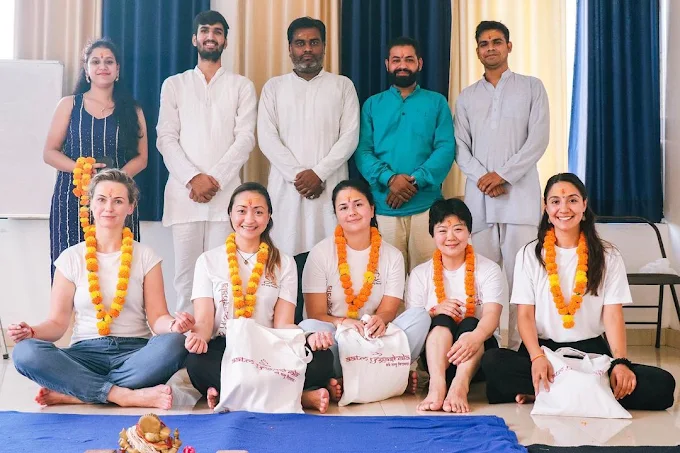
What Can Students Discover by Exploring Different Yoga Styles in Rishikesh?

Yoga is practiced in many different ways around the world. Some styles focus on maintaining postures for a longer duration, while others involve flowing movements, breathing techniques, or meditation. Although these approaches share common roots, each style offers a different experience to students.
For someone beginning their yoga journey, understanding these differences can make learning more interesting. Instead of assuming that every yoga class follows the same format, students can explore different methods and discover which approach suits their interests and abilities.
Rishikesh is an interesting place for this exploration because yoga has a strong connection with the city's culture and educational environment. Visitors can find traditional yoga sessions, structured teacher training programs, meditation activities, and retreats. These opportunities allow people to learn about yoga from different perspectives while experiencing the atmosphere of a well-known spiritual destination.
Understanding the Different Approaches to Yoga
Yoga is not limited to one sequence of physical postures. It includes several practices that developed through different traditions and teaching approaches.
Hatha Yoga is often introduced to beginners because classes commonly focus on individual postures, alignment, breathing, and controlled movements. Students generally receive time to understand each position before moving to another.
Ashtanga Yoga follows a more structured sequence of postures connected with breathing. It requires regular practice and attention to movement. Students gradually become familiar with the sequence and learn how to maintain coordination.
Vinyasa Yoga usually involves flowing from one posture to another. The movement is often coordinated with inhalation and exhalation, creating a continuous sequence.
Restorative Yoga takes a different approach. It uses supported positions and longer periods of relaxation. The purpose is to create a gentle practice rather than a physically demanding session.
Understanding these styles can help students recognize that yoga offers different learning experiences. There is no need to master every style. Exploring a few approaches under suitable guidance can help individuals identify their preferences.
Why Learning the Foundations Is Important
Before exploring advanced yoga techniques, students should understand the basic principles of practice. These include posture alignment, breathing awareness, preparation, relaxation, and respect for individual physical limitations.
Ashtanga yoga shala rishikesh can provide an organised introduction to these subjects. Depending on the institution, the curriculum may include yoga asanas, pranayama, meditation, anatomy, teaching methods, and traditional yoga philosophy.
Such a course can be useful for people who want to understand yoga beyond regular fitness sessions. Students may also learn how different practices are arranged within a class and why instructors use specific techniques.
The quality of instruction is an important consideration. A good learning environment should encourage questions, provide demonstrations, and allow participants to progress according to their abilities.
Training Programs for Different Levels of Experience
People who visit Rishikesh may have different learning objectives. Some want to improve their personal practice, while others are interested in becoming yoga instructors.
A 100 hour yoga teacher training Course in Rishikesh can introduce students to the foundational aspects of yoga education. The program may include basic postures, introductory anatomy, breathing techniques, meditation, and an introduction to teaching.
For students interested in a more detailed curriculum, a 200 hour yoga teacher training in rishikesh generally provides a broader study of yoga. Participants may learn about Hatha and Ashtanga practices, sequencing, teaching methodology, philosophy, anatomy, and practical instruction.
Experienced practitioners who want to continue their education may consider a 300 hour yoga teacher training in Rishikesh. This level can cover advanced asana practice, detailed adjustments, class planning, meditation, and more specialised teaching subjects.
Before choosing any program, students should review the course outline, instructor qualifications, teaching hours, accommodation arrangements, and certification details. A suitable course should match the learner's current experience rather than simply offering an attractive title.
How Retreats Introduce Different Yoga Experiences
Not everyone wants to complete a formal teacher training program. Some travellers prefer to attend a retreat where they can experience yoga as part of a short visit.
A 3 days yoga retreat in rishikesh can provide a brief introduction to guided yoga sessions, breathing exercises, and meditation. It may be suitable for people with limited travel time who want to experience a structured routine.
A 5 days yoga retreat in Rishikesh allows participants to spend additional time becoming familiar with different sessions. They may have opportunities to explore morning yoga, relaxation practices, and meditation.
People who prefer a longer experience can consider a 7 days yoga retreat in rishikesh. A week provides more time to settle into the daily schedule and understand how different activities fit together.
A 10 days yoga retreat in Rishikesh can offer an extended opportunity to participate in guided sessions and explore the surrounding destination. Participants may also have additional time to discuss yoga concepts with instructors.
For travellers who want a longer stay, a 14 days yoga retreat in Rishikesh can provide two weeks of organised activities. This duration may be suitable for people who want to explore different aspects of yoga while spending more time in the city.
The ideal retreat depends on personal availability, budget, experience, and preferred schedule. Participants should check the daily timetable before booking so they know what activities are included.
Learning to Coordinate Movement and Breathing
One of the important differences between simply performing an exercise and practising yoga is the attention given to breathing.
During many asana sessions, instructors guide students to coordinate movements with inhalation and exhalation. This helps practitioners understand the relationship between posture and breath.
Pranayama introduces traditional breathing techniques that are taught through specific instructions. Students may learn different methods depending on the program and their level of experience.
Meditation provides another dimension to yoga. It encourages students to spend time observing their thoughts and developing concentration through guided or independent practice.
These elements can be introduced gradually. Beginners should avoid forcing difficult movements or advanced breathing techniques without appropriate preparation.
Exploring the Traditional Use of Sound
Sound has an important place in several Indian cultural and spiritual traditions. Chanting, bells, singing bowls, and other instruments are used in different settings, including meditation and relaxation sessions.
A sound healing course rishikesh may introduce students to the traditional use of sound instruments and the structure of guided sound sessions. Depending on the curriculum, participants may explore Tibetan singing bowls, crystal bowls, chanting, and basic sound practices.
Practical demonstrations can help learners understand how different instruments are handled and used during a session. This subject may interest people who already have an interest in yoga, meditation, or complementary wellness activities.
Students should check the course content and instructor experience before enrolling. Sound-based practices are best understood as educational or relaxation activities, not replacements for medical care.
Discovering Ayurveda Alongside Yoga
Yoga is often studied alongside other traditional Indian knowledge systems. Ayurveda is one of the best-known examples and includes traditional ideas about lifestyle, food habits, daily routines, and wellness.
An ayurveda therapy course can introduce learners to subjects such as doshas, traditional massage methods, herbal knowledge, nutrition concepts, and daily practices. The exact content depends on the institution and the level of the course.
For students interested in Indian traditions, learning about Ayurveda can add another dimension to their visit. It provides an opportunity to understand how different traditional systems discuss daily habits and personal routines.
However, learners should understand the difference between introductory education and professional clinical training. Course descriptions and qualifications should be checked carefully before making a decision.
Experiencing Rishikesh Beyond the Yoga Classroom
Although yoga may be the main reason for visiting Rishikesh, the city offers other experiences that can make a trip more varied.
Visitors can explore riverside areas, local markets, temples, bridges, and nearby natural surroundings. Walking through different parts of the city can also provide opportunities to observe local culture and everyday life.
For people interested in adventure, Rafting In Rishikesh is a popular outdoor activity. Participants can experience selected stretches of the River Ganga with trained guides and appropriate safety equipment.
Rafting routes and availability depend on river conditions, weather, and local regulations. Visitors should select responsible operators, listen carefully to safety instructions, and avoid entering the river without proper arrangements.
Combining yoga sessions with outdoor exploration can create a balanced travel experience. It also allows visitors to discover different sides of Rishikesh instead of spending the entire trip following one activity.
Choosing a Yoga Style According to Personal Interests
Every student has a different reason for exploring yoga. Someone interested in physical movement may enjoy Ashtanga or Vinyasa sessions, while another person may prefer the slower pace of Hatha or Restorative Yoga.
A beginner should consider the following points before joining a class:
-
Previous experience with yoga and physical activity.
-
The teaching style and pace of the instructor.
-
The duration and intensity of each session.
-
Availability of modifications for different abilities.
-
Opportunities to ask questions and receive guidance.
It is also useful to try introductory sessions before committing to a longer program. This gives students an opportunity to understand the teaching approach and decide whether it matches their expectations.
There is no requirement to select the most physically demanding style. A suitable practice is one that can be followed safely and consistently.
Continuing Different Yoga Practices After the Trip
A common challenge for travelers is continuing their learning after returning home. A person may enjoy daily yoga sessions in Rishikesh but struggle to maintain the same routine after returning to work or college.
Online learning can provide a convenient way to stay connected with yoga. online yoga classes allow students to attend guided sessions from different locations, depending on the platform and instructor.
When searching for the best online yoga classes, it is important to compare teaching quality rather than relying only on promotional claims. Students should consider instructor experience, class size, session structure, available guidance, and whether the classes are suitable for their level.
Some learners prefer live classes because they can ask questions and interact with the instructor. Others may find recorded sessions more convenient because they can practice according to their own schedule.
A simple and realistic timetable is usually easier to maintain. Students can begin with a few sessions each week and gradually adjust their routine as they become more familiar with the practices.
Making the Most of a Yoga Learning Experience
Exploring different yoga styles becomes more useful when students approach the experience with curiosity and realistic expectations.
Rather than comparing one style with another, learners can focus on understanding the purpose of each practice. They can observe how breathing is used, how postures are arranged, and how instructors adapt sessions for different participants.
Keeping a small practice journal can also help. Students may record the techniques they learned, questions they want to ask, and areas where they need more guidance.
It is equally important to allow time for rest and personal exploration. A travel schedule that includes every possible activity may become tiring. Leaving some free time can make the experience more comfortable.
Final Thoughts
Exploring different yoga styles can help students understand the variety within this traditional discipline. Hatha, Ashtanga, Vinyasa, and Restorative Yoga each provide a different approach to movement, breathing, and concentration.
Rishikesh offers opportunities to explore these practices through training programs, retreats, and traditional wellness activities. Visitors can also discover Ayurveda, sound-based sessions, and outdoor experiences while enjoying the city's cultural and natural surroundings.
The most useful learning experience is not necessarily the one with the longest schedule or the greatest number of activities. It is the one that provides clear guidance, suitable practice, and knowledge that students can continue using in everyday life.


