

Your home should be a safe and healthy place for you and your family. However, some potential health risks are difficult to identify because they cannot be seen, smelled, or tasted. Radon is one such risk. It is a naturally occurring radioactive gas that can enter homes through cracks in foundations, basement floors, walls, and other openings. Without proper testing, homeowners may not know whether their indoor environment contains elevated radon levels.
Radon testing is an important step in protecting your household from long-term exposure. Whether you live in a newly constructed property or an older house, checking indoor radon levels can help you make informed decisions about your home's air quality. Understanding the testing process, possible health effects, and available solutions can help Ottawa homeowners maintain a healthier living environment.
What Is Radon and Where Does It Come From?
Radon is a naturally occurring radioactive gas produced by the breakdown of uranium in soil, rock, and groundwater. It can move through the ground and enter buildings through small openings in foundations and basement structures.
Because radon is invisible and has no smell, homeowners cannot detect it using their senses. It can accumulate indoors, particularly in basements and lower levels where ventilation may be limited.
Although radon can be present in almost any building, concentrations vary depending on soil conditions, construction methods, ventilation, and other factors. This is why professional radon testing is important for determining the actual concentration inside a property.
Why Is Radon Testing Important for Homeowners?
Testing is the only reliable way to determine whether radon levels inside your home are elevated. Ignoring this potential issue can expose household members to unnecessary long-term health risks.
1. Protects Your Family's Health
Long-term exposure to elevated radon concentrations increases the risk of developing lung cancer. Radon is a leading cause of lung cancer among non-smokers, and the risk becomes greater with prolonged exposure.
Testing helps homeowners understand their indoor radon levels and take appropriate action when necessary. It is particularly important for households with children, older adults, and people who spend significant time indoors.
2. Identifies Hidden Indoor Air Quality Problems
Many homeowners invest in cleaning products, air filters, and ventilation improvements to maintain indoor air quality. However, these measures do not necessarily address radon.
A proper radon test can identify elevated concentrations that would otherwise remain unnoticed. Knowing the results allows homeowners to choose suitable solutions rather than relying on assumptions.
3. Helps Protect Property Value
Radon testing can also be valuable when buying or selling a property. Homebuyers increasingly consider indoor environmental conditions when evaluating a house.
Having reliable radon test results can provide additional information during a property inspection. If elevated levels are identified, the issue can be addressed through appropriate mitigation measures.
How Does Professional Radon Testing Work?
Professional radon testing follows a structured process designed to measure indoor radon concentrations accurately.
Initial Property Assessment
The process usually begins with an assessment of the property. A testing professional considers the building layout, foundation type, basement conditions, and areas where radon may enter.
This information helps determine the most appropriate testing location.
Placement of Testing Equipment
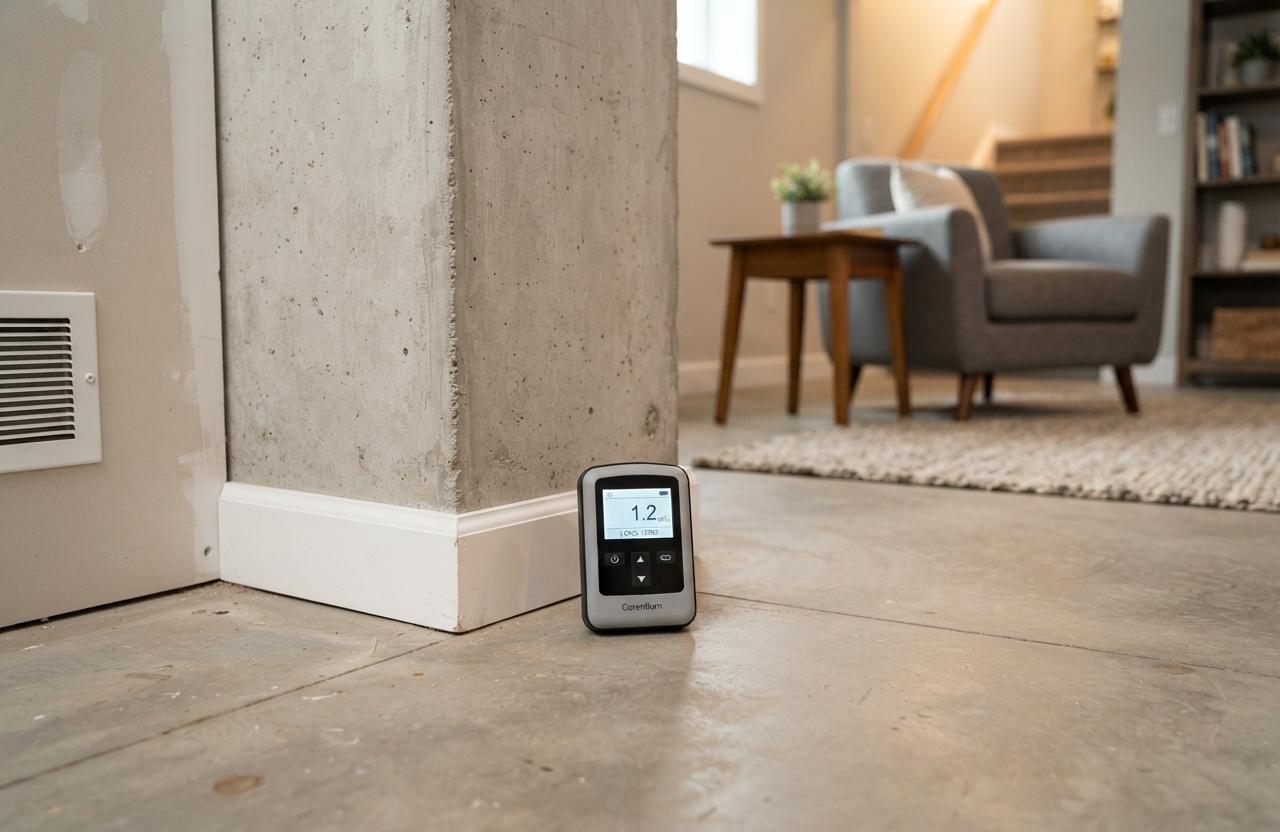
Specialized radon measurement devices are placed in suitable areas of the home. These devices measure radon concentrations over a specific period.
Long-term testing is generally recommended because radon levels can change depending on weather, ventilation, and seasonal conditions. A long-term test of more than 90 days provides a better indication of average annual exposure.
Reviewing the Results
Once testing is complete, the collected information is reviewed to determine the indoor radon concentration.
In Canada, Health Canada's guideline recommends taking corrective action when the average annual radon concentration exceeds 200 becquerels per cubic metre (Bq/m³).
If the results are above this guideline, homeowners should consider professional radon mitigation.
Why Should Ottawa Residents Consider Radon Testing?
Ottawa homeowners should not assume their properties are free from radon simply because they are well-maintained or recently constructed.
Radon concentrations can differ considerably between neighbouring properties. Factors such as local geology, foundation construction, soil conditions, and building design can influence indoor levels.
Basements and ground-level living spaces deserve particular attention because radon commonly enters buildings through their foundations.
Whether you own a detached house, townhouse, or another residential property, testing provides useful information about the air you breathe indoors.
What Should You Do If Radon Levels Are High?
Discovering elevated radon levels does not mean you need to panic. Effective mitigation solutions are available, and qualified professionals can recommend an approach based on your property's structure and test results.
Consider Professional Radon Mitigation
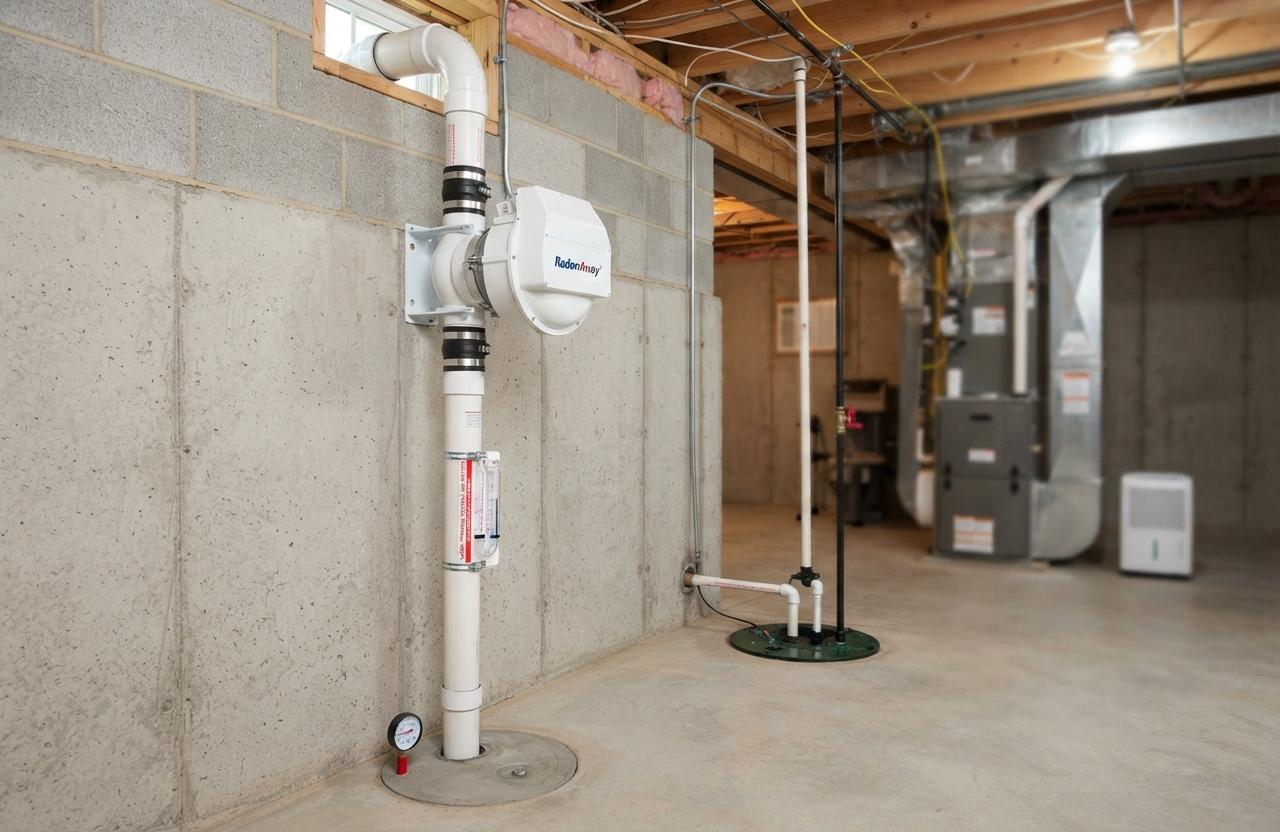
One commonly used solution is a sub-slab depressurization system. This system uses a pipe and fan to collect radon from beneath the foundation and release it safely outside, reducing the amount that enters the living space.
Other approaches may be considered depending on the building's construction and the source of radon entry.
Retest After Mitigation
After installing a radon reduction system, follow-up testing is important to confirm that radon concentrations have decreased.
Homeowners should also arrange periodic testing in the future because building conditions and radon levels can change over time.
Why Choose a Professional Radon Testing Service?
Although home testing kits are available, professional services can help homeowners understand testing requirements, choose suitable measurement methods, and interpret results correctly.
An experienced radon professional can assess the property, recommend an appropriate testing strategy, and explain the next steps if elevated concentrations are discovered.
Choosing a qualified service provider also helps ensure that testing and mitigation recommendations follow recognized Canadian guidelines.
About Ottawa Radon Pro
Ottawa Radon Pro, available at https://ottawaradon.pro/, is a dedicated resource for homeowners seeking information and professional assistance with radon testing and radon-related concerns in Ottawa. The brand focuses on helping property owners understand the importance of indoor radon measurements, identify potential exposure risks, and explore appropriate solutions for healthier indoor environments. Whether you are concerned about basement air quality, planning a property purchase, or looking for information about radon mitigation, Ottawa Radon Pro provides a starting point for understanding your options and taking informed steps toward a safer home.
Conclusion
Radon is an invisible indoor air quality concern that should not be overlooked. Since it cannot be detected through smell or sight, testing is the only reliable way to understand the radon concentration inside your property.
For Ottawa homeowners, regular radon testing can help identify elevated levels, protect family health, and support informed property maintenance decisions. If test results exceed Canada's recommended guideline, professional mitigation can help reduce exposure.
Taking action today can make a meaningful difference to your home's long-term indoor air quality. Consider arranging a reliable radon test and make your family's health a priority.


