

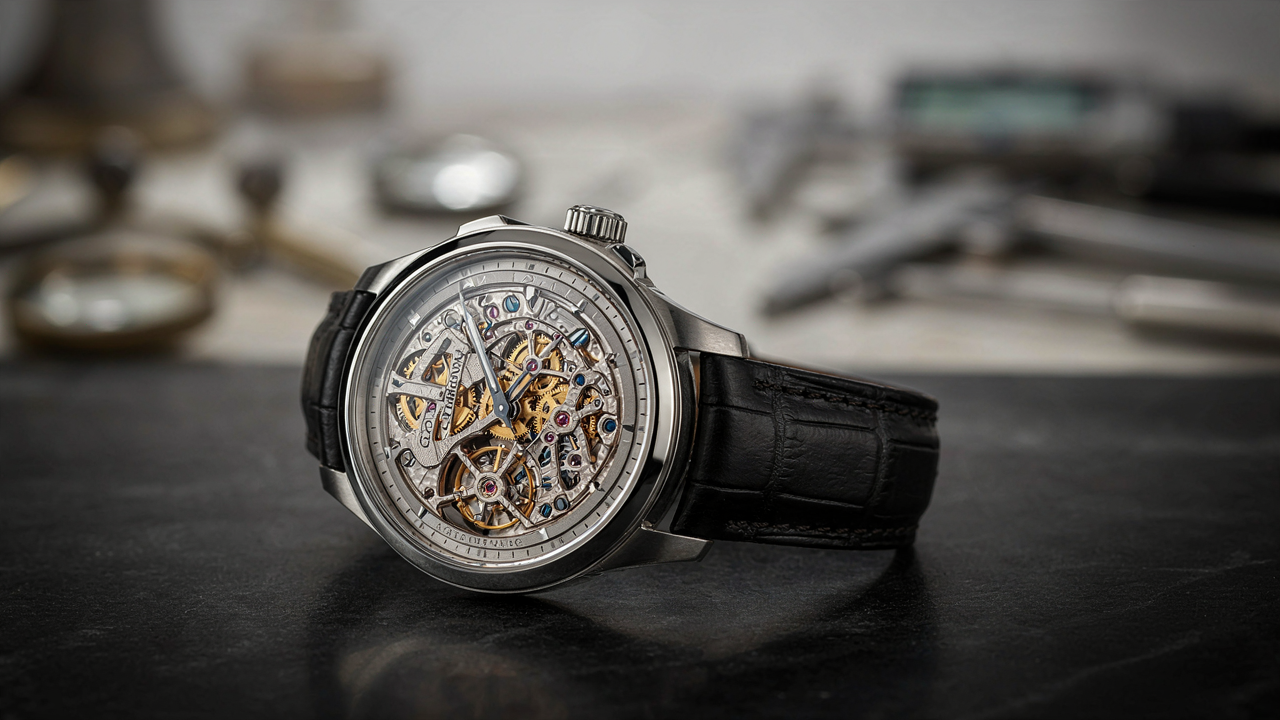

A watch is more than a simple accessory that tells time. It reflects personality, lifestyle, and individual taste. Among the many types of timepieces available today, mechanical watches hold a special place because of their traditional craftsmanship, intricate movements, and timeless appeal. Whether you prefer a sophisticated formal appearance or a relaxed everyday look, the right mechanical watch can complement your wardrobe and express your personal style.
However, choosing the perfect timepiece requires more than selecting an attractive dial or an appealing strap. Factors such as case size, movement type, materials, colors, and overall design all influence how a watch looks and feels on your wrist. Understanding these details can help you find a timepiece that suits your preferences and remains enjoyable to wear for years.
1. Understand Your Personal Style Before Choosing a Watch
The first step in finding the right mechanical watch is understanding your everyday fashion preferences. Your watch should complement the clothing you already wear rather than feel like an unrelated addition to your appearance.
If your wardrobe consists mainly of formal shirts, tailored suits, and classic clothing, a traditional watch with a clean dial, slim case, and leather strap may be an excellent choice. These designs create a refined appearance without attracting unnecessary attention.
For individuals who prefer casual outfits, such as jeans, T-shirts, and relaxed shirts, watches with slightly larger cases, textured dials, or metal bracelets can offer a balanced appearance. Those who enjoy contemporary fashion may appreciate minimalist designs with simple hour markers and modern color combinations.
Think about the impression you want your accessories to create. Some people prefer understated elegance, while others enjoy bold designs that become conversation starters. Identifying your preferences makes the selection process much easier.
2. Choose the Right Case Size and Shape
The size and shape of a watch case significantly affect its overall appearance. Even an attractive timepiece may not look comfortable or balanced if its proportions do not suit your wrist.
Watch cases are generally measured in millimeters, with smaller designs offering a more traditional and understated appearance, while larger cases tend to create a stronger visual presence. However, wrist proportions matter more than following a particular size trend.
If you have a relatively slim wrist, consider smaller or medium-sized cases that sit comfortably without extending beyond your wrist. Individuals with broader wrists may find larger cases more proportionate.
Case shape is another important consideration. Round watches remain popular because of their versatility and classic appearance. Square and rectangular designs, meanwhile, can introduce a distinctive vintage or architectural touch to an outfit.
Before purchasing, consider how the watch sits on your wrist. The lugs should not extend excessively beyond its edges, and the strap should feel secure without being uncomfortable.
3. Explore Different Mechanical Movements and Their Features
One of the most interesting aspects of mechanical watches is the movement that powers them. Unlike quartz watches, which operate using batteries, mechanical timepieces rely on a system of springs, gears, and other carefully engineered components.
There are two primary types of mechanical movements: hand-wound and automatic.
Hand-wound watches require regular manual winding through the crown. Many enthusiasts appreciate this traditional interaction because it creates a closer connection between the wearer and the watch. Their mechanical simplicity can also contribute to a classic design aesthetic.
Automatic watches, on the other hand, use the movement of your wrist to wind the mainspring through an internal rotor. They are particularly convenient for people who wear their watches regularly and appreciate traditional mechanics without needing to wind them manually every day.
When comparing different models, consider the power reserve, movement construction, accuracy expectations, and maintenance requirements.
Understanding these differences helps you select a timepiece that matches both your lifestyle and appreciation for traditional watchmaking.
4. Select Materials and Colors That Complement Your Wardrobe
The materials and colors of a mechanical watch play a major role in determining its versatility. A carefully selected combination can make the same timepiece suitable for professional settings, casual outings, and special occasions.
Stainless steel is a popular choice because it offers durability, versatility, and a polished appearance. It works particularly well with everyday outfits and business clothing. Leather straps provide a more traditional and sophisticated feel, making them suitable for formal occasions and classic wardrobes.
Dial color also deserves attention. Black and white dials are timeless options because they coordinate easily with different clothing styles. Blue dials offer a modern touch while maintaining a refined appearance. Silver and neutral shades provide subtle elegance without overwhelming an outfit.
If you appreciate classic accessories, consider exploring elegant mechanical watches featuring balanced proportions, refined dial details, and traditional materials. These designs can complement a wide range of personal styles.
You should also consider whether the watch's metal finish matches your other accessories, such as belt buckles, rings, and bracelets. Consistency between these details can create a more polished overall appearance.
5. Balance Design, Comfort, and Everyday Practicality
An attractive watch should also be comfortable and practical. Since a mechanical timepiece may become part of your daily routine, its features should support the activities you regularly perform.
For everyday use, consider a watch with a comfortable strap, readable dial, and durable construction. If you frequently attend professional meetings, a clean and relatively slim design may be more suitable than a bulky sports-inspired model.
Water resistance is another feature worth checking. Although not every mechanical watch is designed for swimming or water sports, basic water resistance can provide additional protection against everyday splashes. Always check the manufacturer's specifications before exposing a watch to water.
Pay attention to the weight of the case and bracelet as well. A heavy metal watch may feel substantial and premium, but some people prefer lighter designs for extended wear.
When comparing stylish mechanical wristwatches, look beyond their appearance and examine the practical details that influence long-term comfort. A watch that feels natural on your wrist is more likely to become a regular part of your personal style.
6. Invest in a Design That Reflects Your Personality
A mechanical watch can be a meaningful long-term purchase, so it is worth choosing a design that reflects your personality rather than simply following temporary fashion trends.
Consider whether you prefer traditional watchmaking details, minimalist aesthetics, vintage-inspired elements, or contemporary designs. Features such as exposed mechanical movements, textured dials, Roman numerals, and skeleton-style displays can give a watch a distinctive character.
Budget is another important factor. A higher price does not automatically guarantee that a watch will suit your preferences better. Focus on the quality of construction, movement, materials, finishing, and overall value.
It is also important to consider maintenance. Mechanical watches require periodic servicing to keep their movements functioning properly. Following the manufacturer's care recommendations can help preserve their performance and appearance.
Take time to compare different designs before making your final decision. You can explore premium mechanical watches to discover different styles, designs, and features that complement your individual preferences.
Ultimately, the best mechanical watch is not necessarily the most expensive or fashionable option. It is the one that feels comfortable, suits your lifestyle, and represents your personality.
Final Thoughts
Choosing a mechanical watch that matches your personal style involves finding the right balance between appearance, craftsmanship, comfort, and practicality. By considering your wardrobe, wrist proportions, movement preferences, materials, and everyday requirements, you can make a more confident decision.
A thoughtfully selected mechanical timepiece can become much more than a functional accessory. It can express your individuality, complement different outfits, and remain a meaningful part of your collection for years. Take your time, compare your options, and choose a design that genuinely feels like you.


