

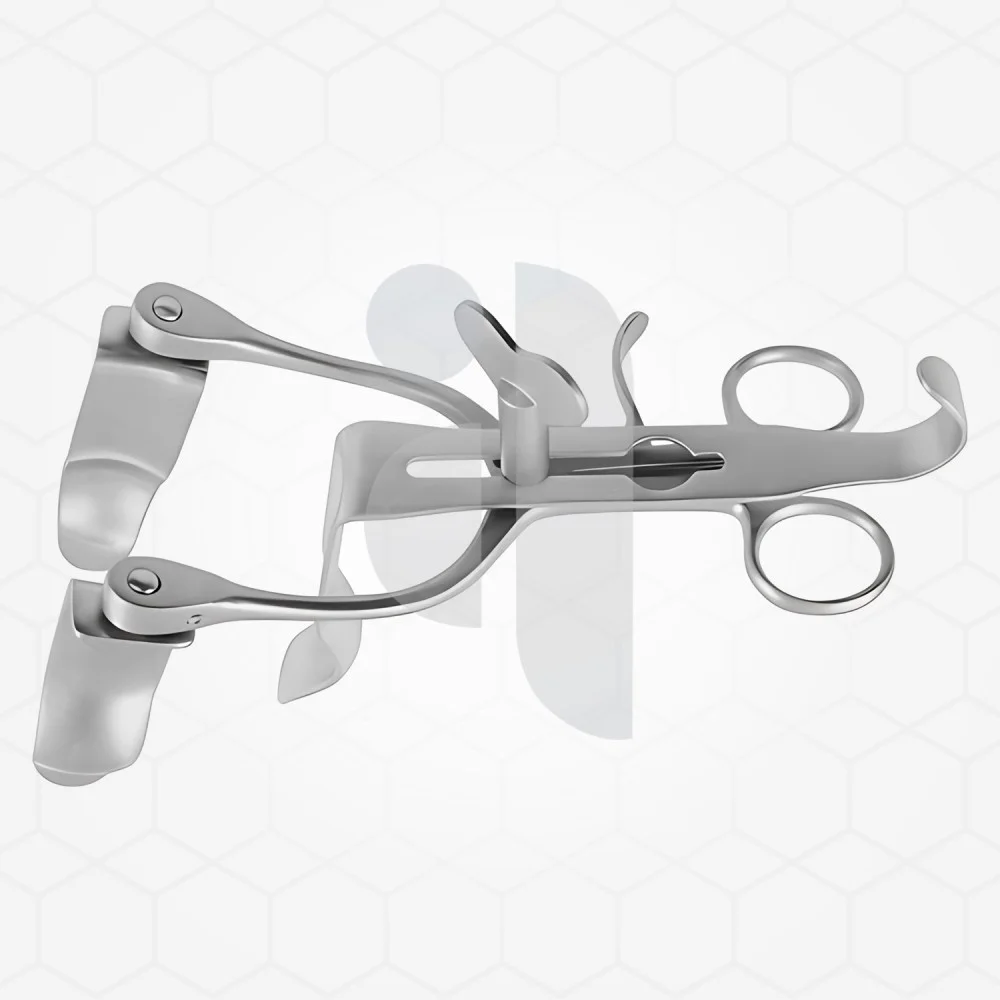

A rectal speculum is a medical instrument that gently opens and widens the anal canal and lower rectum. This gives doctors a clear, well-lit view of the area. Proctologists, colorectal surgeons, and general surgeons rely on it for routine exams and complex procedures alike. Without proper visibility, even skilled hands can miss important details. That is why rectal speculum is a staple in clinics and operating rooms worldwide.
How the Instrument Works
Most designs use two or three smooth blades that close for gentle insertion. Once in place, the blades open with a hinge, screw, or ratchet mechanism. A well-made rectal speculum holds tissue apart steadily, so the surgeon's hands stay free to examine, take samples, or perform treatment. The smooth, rounded edges help reduce discomfort for the patient, which makes the experience easier for everyone involved.
Common Clinical Uses
Doctors use this instrument to diagnose and treat a wide range of anorectal conditions. These include hemorrhoids, anal fissures, fistulas, abscesses, polyps, and early signs of tumors. A rectal speculum also supports biopsies, rubber band ligation, and surgical procedures such as hemorrhoidectomy. Because it provides direct access to the area, it often helps doctors reach a faster and more accurate diagnosis.
Popular Types and Designs
Several well-known patterns serve different clinical needs. The Pratt bivalve design opens with a spring action. The Kelly and Sims patterns offer simple, reliable access for examinations. The Fansler and Ferguson-Hill types are favored during hemorrhoid surgery, while the Eisenhammer design is often used for fissure and fistula procedures. Choosing the right rectal speculum depends on the procedure, the patient's anatomy, and the surgeon's preference.
Why Material and Craftsmanship Matter
Precision is essential for any instrument that touches delicate tissue. A premium rectal speculum is made from surgical-grade stainless steel that resists rust, corrosion, and repeated wear. Smooth polishing, balanced weight, and firm locking mechanisms all improve control during use. Poorly made tools, on the other hand, can have rough edges or loose joints that put both patients and procedures at risk.
Care, Cleaning, and Sterilization
Proper maintenance keeps every instrument safe and long-lasting. After each use, staff should clean the device thoroughly, inspect it for damage, and sterilize it in an autoclave. A durable palatoplasty tool handles repeated sterilization cycles without losing its shape, finish, or function. Regular inspection also helps teams spot worn hinges or screws before they become a problem.
Conclusion
The rectal speculum plays a vital role in diagnosing and treating anorectal conditions. Its design, material, and craftsmanship directly affect patient comfort and clinical results. When you choose a well-built rectal speculum, you invest in better visibility, safer procedures, and lasting value. For healthcare professionals who demand excellence, AzeeMed delivers trusted instruments backed by more than 20 years of expertise.


