

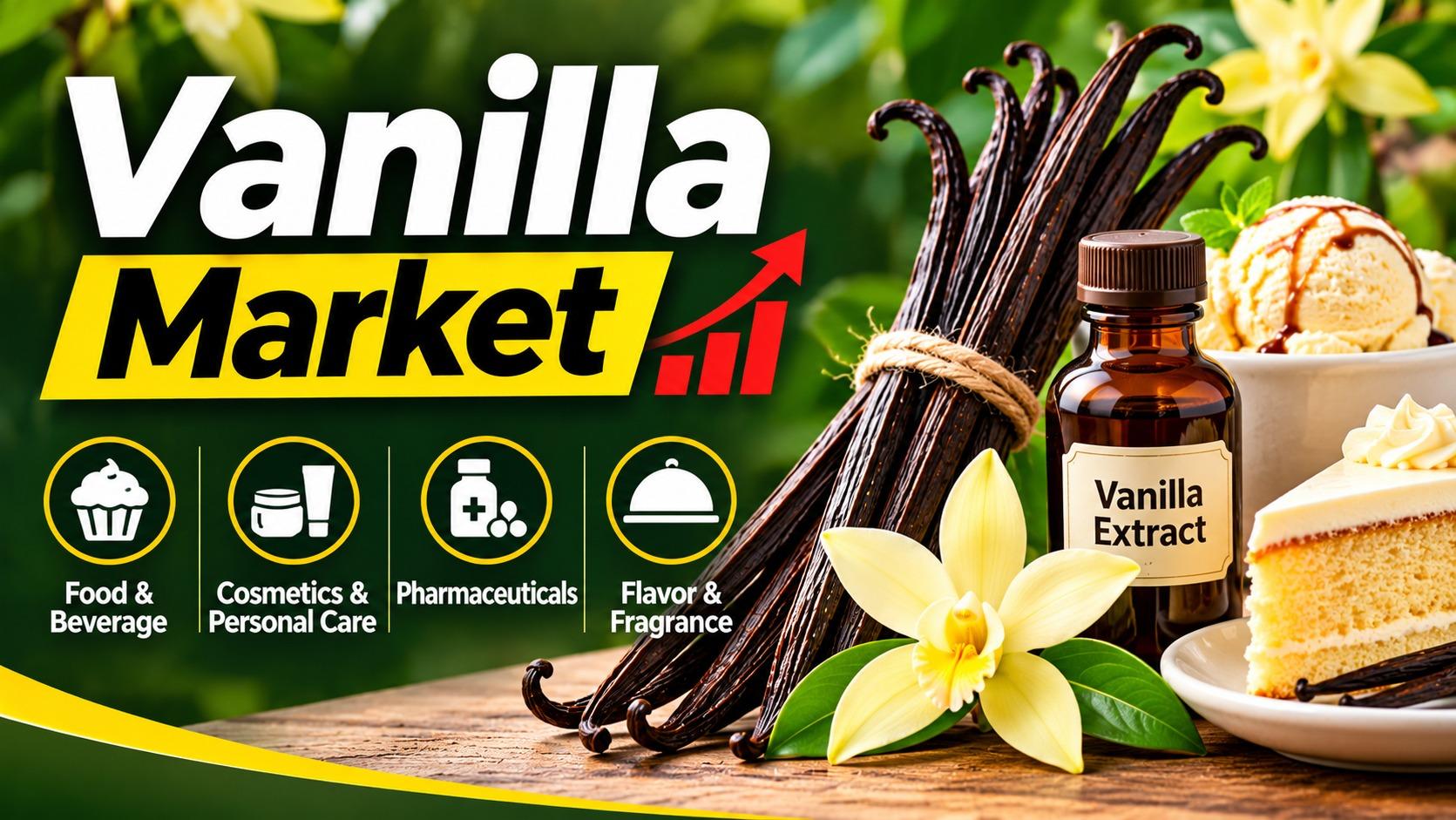

According to Straits Research, the global vanilla market size was valued at USD 2.18 billion in 2025 and is projected to grow from USD 2.32 billion in 2026 to USD 3.75 billion by 2034, registering a CAGR of 6.2% during the forecast period (2026–2034). North America dominated the vanilla market with a share of 35.84% in 2025.
Vanilla is a widely used flavoring ingredient obtained primarily from the cured pods of vanilla orchids. It is available in several forms, including whole vanilla beans, extracts, powders, pastes, and other processed ingredients. Vanilla is valued for its distinctive aroma and flavor and is widely used in food and beverages, bakery products, confectionery, dairy products, fragrances, and personal care formulations. Demand for natural flavoring ingredients, premium food products, and clean-label formulations is supporting market growth.
Get Full Report: https://straitsresearch.com/report/vanilla-market
Growth Drivers of the Vanilla Market
Rising Demand for Natural Flavoring Ingredients
Consumers are increasingly interested in food products containing recognizable and naturally sourced ingredients. This preference is encouraging food manufacturers to use natural vanilla in bakery, dairy, confectionery, and beverage formulations.
Expansion of the Bakery and Confectionery Industry
Vanilla is widely used in cakes, cookies, pastries, chocolates, desserts, and confectionery products. Growing demand for packaged bakery products and premium desserts is supporting the use of vanilla extracts, powders, and flavoring ingredients.
Increasing Consumption of Dairy Products
Vanilla is a popular flavor in ice cream, yogurt, milk-based beverages, desserts, and other dairy products. Expansion of flavored dairy categories is creating demand for vanilla-based ingredients across food manufacturing.
Growing Demand for Premium Food Products
Premium desserts, specialty beverages, artisanal bakery products, and gourmet foods frequently use vanilla for its distinctive flavor profile. Consumer interest in premium and specialty food experiences is supporting demand for high-quality vanilla products.
Expansion of the Food and Beverage Processing Industry
Food manufacturers use vanilla in a wide range of processed products, including beverages, sauces, bakery mixes, and ready-to-eat desserts. Growth in packaged food production is supporting demand for consistent vanilla ingredients.
Increasing Use in Fragrances and Personal Care
Vanilla is used in perfumes, body care products, cosmetics, and personal care formulations because of its characteristic fragrance. Demand for vanilla-inspired scents and formulations is contributing to applications beyond food.
Applications of the Vanilla Market
Bakery and Confectionery
Vanilla is used in cakes, biscuits, pastries, chocolates, cookies, fillings, and other confectionery products. It enhances flavor and aroma and is commonly included in both industrial and artisanal recipes.
Dairy Products
Vanilla is widely used in ice cream, yogurt, milkshakes, flavored milk, puddings, and other dairy-based products. Its versatility makes it an important ingredient in flavored dairy formulations.
Beverages
Vanilla is used in coffee, tea, flavored milk, smoothies, syrups, soft drinks, and specialty beverages. Its flavor profile complements both hot and cold beverage applications.
Food Processing
Food manufacturers incorporate vanilla into desserts, sauces, ready-to-eat products, breakfast foods, and packaged food formulations. Extracts, powders, and pastes provide different options depending on production requirements.
Fragrances and Cosmetics
Vanilla-derived ingredients and vanilla-inspired fragrance compositions are used in perfumes, lotions, soaps, body creams, and personal care products. Their warm and sweet aroma makes them suitable for multiple fragrance applications.
Pharmaceuticals and Nutraceuticals
Vanilla flavoring is used in selected pharmaceutical and nutraceutical formulations to improve taste and consumer acceptance. Its application depends on product formulation and applicable quality requirements.
Emerging Trends in the Vanilla Market
Increasing Preference for Natural Vanilla
Demand for naturally sourced vanilla is gaining attention as food manufacturers respond to consumer interest in ingredient transparency. Natural vanilla extracts and beans are used in premium products and clean-label formulations.
Growing Popularity of Vanilla-Based Specialty Beverages
Vanilla-flavored coffee, tea, milk beverages, protein drinks, and specialty refreshments are expanding product opportunities. Foodservice businesses and beverage manufacturers are introducing new flavor combinations featuring vanilla.
Increasing Focus on Sustainable Vanilla Farming
Vanilla cultivation is often labor-intensive and requires careful crop management and curing. Producers and supply chain participants are focusing on responsible sourcing, farmer support, traceability, and improved agricultural practices.
Development of Vanilla Extracts and Concentrates
Manufacturers are developing different extract strengths, concentrates, pastes, and powders to meet the requirements of food processing and commercial kitchens. These formats provide flexibility in flavor intensity, storage, and product formulation.
Growing Demand for Traceable Vanilla Supply Chains
Vanilla production is concentrated in selected growing regions, making sourcing transparency important for manufacturers. Traceability initiatives and direct sourcing partnerships are gaining importance in managing quality, origin, and supply chain risks.
Expansion of Plant-Based and Dairy-Free Products
The growth of plant-based ice cream, dairy alternatives, and vegan desserts is creating opportunities for vanilla flavoring. Manufacturers use vanilla to improve the flavor profile of alternative milk products and other plant-based food formulations.


