

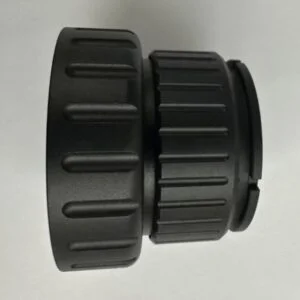
From Sensor to Viewfinder: The Optical Engineering Behind Electronic Viewfinders

Modern cameras and imaging devices increasingly rely on electronic displays to help users frame scenes, review information, and make accurate adjustments. An electronic viewfinder (EVF) makes this possible by presenting a digital image through a compact viewing system. Behind this seemingly simple experience is a combination of display technology and carefully designed optics. An EVF optical moudle is part of this optical approach, helping guide the image from a small display toward the viewer's eye.
What Is an Electronic Viewfinder?
An electronic viewfinder is a small display-based viewing system that allows users to see a digital representation of a scene. Unlike an optical viewfinder, which uses a direct optical path to show the subject, an EVF displays an image generated by an electronic imaging system.
The image may come from a camera sensor or another digital source. It is then presented through a compact optical assembly designed to make the display comfortable to view at a relatively short distance.
EVFs are widely associated with digital cameras, but similar viewing principles can also be relevant to other imaging equipment and specialized electronic devices.
How an EVF Optical Module Works
An EVF optical module combines a display with optical elements that help present its image to the eye. The display produces the visual information, while lenses and other components manage the light path and apparent image position.
Because the display is small and positioned close to the user's eye, the optical assembly must create a suitable viewing experience. Its design influences focus, apparent image size, viewing area, and visual clarity.
The arrangement varies depending on the device. Some systems use multiple lens elements to manage image formation and correct optical imperfections. The complete assembly must work with the display characteristics and the mechanical structure of the product.
Important Components in EVF Design
Several elements contribute to the performance of an electronic viewfinder.
Microdisplay: The display generates the image presented to the user. Resolution, brightness, pixel arrangement, and response characteristics all influence the viewing experience.
Optical lenses: Lens elements magnify and direct the display image toward the eye. Their optical design helps determine focus, image quality, and viewing comfort.
Optical coatings: Coatings may be applied to lens surfaces to manage reflections and improve light transmission. The appropriate coating depends on the optical design and operating conditions.
Mechanical housing: The housing keeps components in their intended positions. Accurate alignment is important because small positional changes can affect the displayed image.
Adjustment mechanisms: Depending on the product, adjustments may help accommodate differences in viewing position or user requirements.
Why Optical Precision Matters
The quality of an electronic viewfinder depends on more than display resolution. Even a high-resolution screen may produce an unsatisfactory experience if the optical assembly introduces distortion, reflections, uneven brightness, or poor focus.
Lens geometry and material selection are therefore important during development. Optical designers consider refractive properties, transmission, surface quality, and dimensional tolerances when developing an EVF system.
Alignment is equally significant. The display and lenses must be positioned correctly so that the image reaches the intended viewing area. Consistent manufacturing and inspection help maintain this relationship across production units.
Applications Beyond Conventional Cameras
Electronic viewfinders are especially familiar in mirrorless and digital camera systems, where they provide a real-time preview of the captured scene. Photographers can use the displayed information to assess composition and make adjustments without relying exclusively on a rear screen.
EVF-style optical arrangements may also be relevant to industrial imaging devices, specialized inspection equipment, and other electronic products that require compact close-range viewing.
In these applications, the design requirements can differ considerably. A camera viewfinder may prioritize image presentation and user comfort, while an industrial device may place greater emphasis on visibility, operating conditions, and integration with measurement equipment.
Selecting an EVF Optical Solution
Choosing an optical module begins with defining the device's purpose and display specifications. Developers should consider display size, resolution, brightness, desired magnification, eye position, and available installation space.
The expected viewing environment also matters. Indoor equipment, outdoor cameras, and industrial instruments may have different requirements for brightness, temperature tolerance, and mechanical durability.
Manufacturing capabilities should be assessed alongside optical performance. Surface accuracy, lens consistency, coating quality, and assembly tolerances all contribute to the reliability of the finished system.
Working with an experienced optical supplier during early development can help engineers evaluate suitable configurations and identify potential integration challenges before committing to a production design.
The Evolution of Compact Viewing Systems
As electronic imaging continues to develop, manufacturers are looking for ways to make viewing systems clearer, smaller, and more comfortable. Improvements in microdisplay technology and precision lens manufacturing are creating new opportunities for compact optical assemblies.
EVF technology demonstrates how electronic displays and optical engineering work together to deliver useful visual information. For developers planning camera equipment or specialized viewing devices, evaluating an EVF optical moudle can be an important step toward selecting an optical configuration that matches the intended application.


