

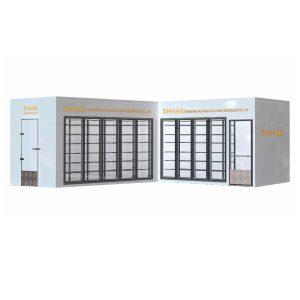
Inside the Modern Cold Room: Essential Design Factors for Reliable Commercial Storage

Reliable refrigeration is essential for businesses that store fresh food, beverages, dairy products, and other temperature-sensitive goods. As storage requirements grow, standard refrigerators may no longer provide enough capacity or flexibility. A professionally designed walk in cold room offers a larger refrigerated environment where businesses can organize inventory, manage access, and maintain suitable storage conditions. From restaurants and supermarkets to food distributors and hospitality facilities, cold rooms have become an important part of commercial operations.
What Makes a Walk-In Cold Room Different?
A walk-in cold room is an enclosed refrigerated space designed for storing products at controlled temperatures. Unlike conventional refrigerators, it allows employees to enter the room and access products directly.
This design is especially useful for businesses that purchase ingredients or merchandise in bulk. Shelving systems, storage racks, and designated product areas can be arranged according to inventory requirements. Employees can organize supplies more efficiently and locate items without searching through multiple small refrigeration units.
Cold rooms can also be designed in different sizes and configurations. Their dimensions, insulation, door arrangements, and refrigeration capacity depend on the intended application and available installation space.
Insulated Panels: The Foundation of Cold Storage
Panel construction is one of the most important considerations when planning a commercial cold room. Insulated panels help limit heat transfer between the refrigerated interior and the surrounding environment.
Their performance depends on factors such as insulation material, panel thickness, joint connections, surface finish, and installation quality. Properly fitted panels help create a more consistent enclosure and support the refrigeration system in maintaining the required conditions.
The panel surfaces should also be suitable for commercial use. Food storage environments require materials that can be cleaned and maintained according to appropriate hygiene practices.
When evaluating panel options, businesses should consider the intended temperature range, room dimensions, environmental conditions, and expected usage.
Planning the Right Storage Layout
A cold room should make inventory easy to organize and retrieve. An unsuitable layout can waste valuable space, restrict movement, and make stock rotation difficult.
Before installation, businesses should consider how products will enter, where they will be stored, and how employees will access them.
Several practical design elements can improve usability:
-
Organized shelving: Separate product categories and make inventory easier to identify.
-
Clear walkways: Provide enough room for employees and handling equipment.
-
Accessible storage zones: Place frequently used products where they can be retrieved conveniently.
-
Suitable lighting: Improve visibility during loading, unloading, and stock checks.
-
Effective door placement: Support movement while reducing unnecessary obstruction.
A well-planned layout should also leave sufficient space for air circulation. Overcrowding can interfere with cooling performance and make it harder to maintain consistent conditions throughout the room.
Temperature Control and Refrigeration Performance
Temperature management is central to cold room operation. The refrigeration equipment must be appropriate for the room's size, insulation, stored products, and expected frequency of access.
Every time a door opens, warmer air may enter the refrigerated space. Frequent access, damaged seals, or poorly fitted panels can increase the cooling demand. For this reason, the entire installation should be considered as one integrated system.
Businesses can support temperature stability through regular monitoring, appropriate door management, and preventive maintenance. Temperature records also help employees identify unusual changes and investigate potential equipment problems.
The required temperature should always be determined by the products being stored and applicable food safety guidance.
Where Commercial Cold Rooms Are Used
Walk-in cold rooms serve a wide range of industries, although their configurations may differ.
Restaurants and catering facilities: Commercial kitchens use cold rooms to store ingredients, beverages, and prepared food in an organized environment.
Supermarkets and grocery stores: Retail businesses need refrigerated space for fresh products, dairy items, and other temperature-sensitive inventory.
Hotels and hospitality operations: Hotels often require larger storage areas to support kitchens, restaurants, and food service departments.
Food distributors: Distribution companies use cold storage before products are transported to retailers or other customers.
Food processing facilities: Cold rooms can provide controlled storage between different stages of production and handling.
Each business should select a configuration that reflects its storage volume, workflow, and operating conditions.
Hygiene and Routine Maintenance
A cold room must remain clean and functional to support safe commercial storage. Regular cleaning schedules should cover floors, shelving, doors, and other frequently used surfaces.
Employees should also inspect the structure for damaged panel joints, worn seals, condensation, or unusual frost accumulation. These signs may indicate problems that need attention.
Refrigeration equipment should receive appropriate servicing, while temperature monitoring devices should be checked to ensure they provide dependable readings. Products should be arranged carefully so that airflow is not blocked and older inventory can be used according to suitable stock rotation procedures.
Consistent maintenance helps businesses identify potential issues before they cause significant operational disruption.
Choosing a Suitable Cold Room Supplier
Selecting a supplier is an important part of planning a refrigeration project. Businesses should look for clear product information, suitable panel options, practical design guidance, and compatibility with the intended refrigeration system.
Before making a decision, it is useful to establish the required room dimensions, storage capacity, temperature range, door configuration, and installation conditions. Sharing these details with a specialist can make it easier to identify an appropriate solution.
SHHAG provides refrigeration-related products and solutions that businesses can explore when considering cold room construction or upgrades.
A Practical Foundation for Growing Businesses
As food storage and distribution requirements continue to evolve, commercial cold rooms provide businesses with a flexible way to manage larger quantities of temperature-sensitive inventory. Their effectiveness depends on thoughtful design, suitable insulation, reliable refrigeration, and consistent maintenance.
By considering these factors before installation, businesses can create storage environments that support daily operations and future requirements. Investing in a properly planned walk in cold room can be a valuable step toward more organized and dependable commercial refrigeration.


