

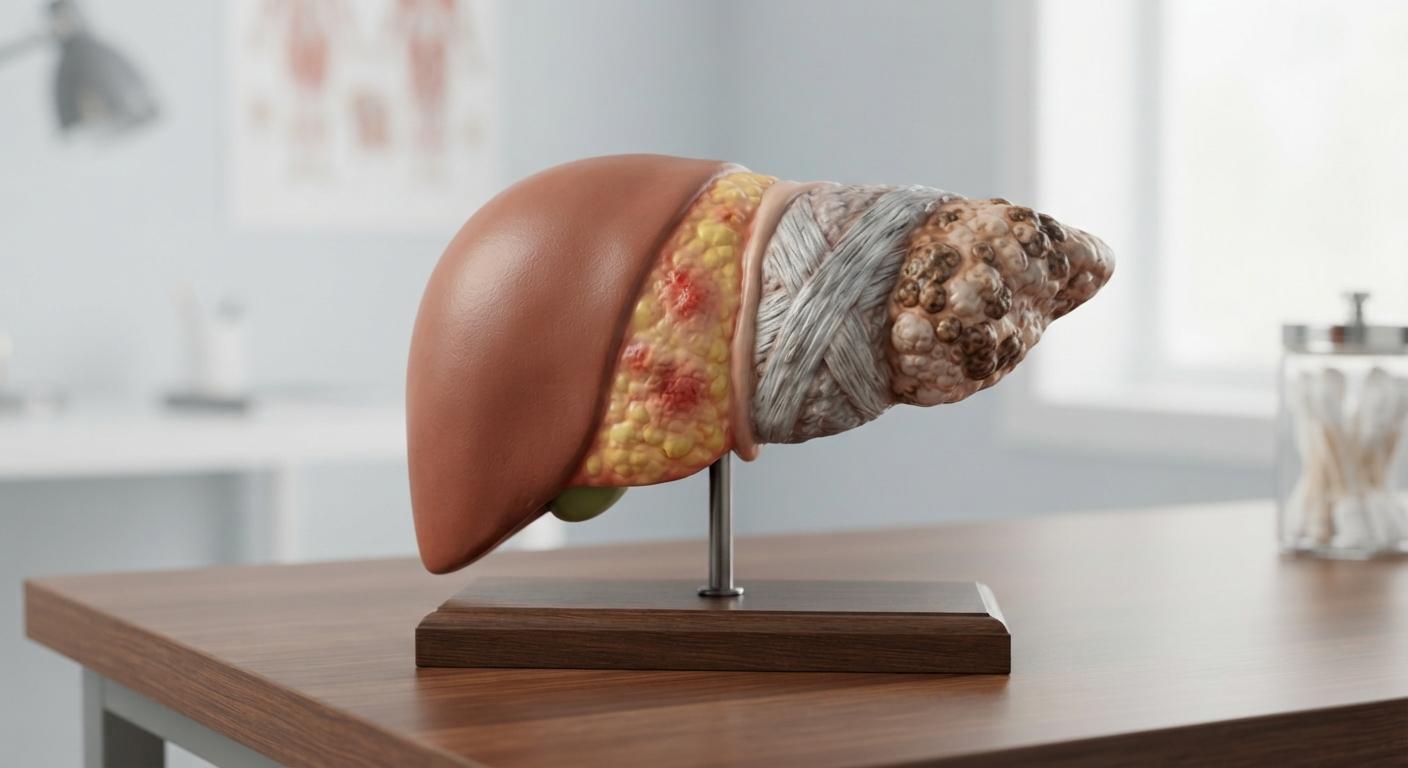

The liver performs several essential functions that keep the body healthy. It processes nutrients, helps regulate blood sugar, produces important proteins, and removes waste products from the bloodstream.
However, when excess fat begins accumulating in liver cells, these functions may gradually become affected.
Fatty liver disease often develops without noticeable symptoms, particularly during its early stages. Some people discover the condition during routine blood tests or an ultrasound performed for an unrelated health concern. Others may not realize they have liver damage until the disease has progressed.
Understanding What Is Fatty Liver Disease is an important first step toward recognizing how the condition develops and why early medical evaluation matters.
But does fatty liver disease always progress? What are its different stages, and when does fat accumulation become a more serious concern?
Let's explore the progression of fatty liver disease, its warning signs, and the importance of appropriate management.
What Is Fatty Liver Disease?
Fatty liver disease refers to a condition in which excessive fat accumulates inside liver cells.
One of its most common forms is metabolic dysfunction-associated steatotic liver disease (MASLD), previously known as nonalcoholic fatty liver disease (NAFLD).
MASLD is associated with metabolic risk factors, including:
-
Obesity.
-
Type 2 diabetes.
-
Insulin resistance.
-
High triglyceride levels.
-
High blood pressure.
-
Metabolic syndrome.
Another form of the condition is associated with alcohol consumption. Other medical conditions and certain medications can also contribute to fat accumulation in the liver.
Fatty liver disease exists along a spectrum. Some individuals have fat accumulation without significant liver damage, while others develop inflammation, scarring, and eventually cirrhosis.
Not everyone progresses through every stage. In fact, many individuals remain in the early stages, particularly when contributing risk factors are addressed.
What Are the Four Main Stages of Fatty Liver Disease?
The progression of fatty liver disease is commonly described through four broad stages.
These are:
-
Simple steatosis.
-
Metabolic dysfunction-associated steatohepatitis (MASH).
-
Fibrosis.
-
Cirrhosis.
Each stage represents a different level of liver involvement.
Understanding these differences can help explain why some cases are relatively mild while others require more intensive medical care.
Stage 1: Simple Steatosis (Fat Accumulation)
The dual role of asprosin in chronic fatty liver disease
asbmb.org
The first stage of fatty liver disease is known as simple steatosis.
At this stage, excess fat accumulates inside liver cells, but there is no significant inflammation or liver cell injury.
For many individuals, simple steatosis does not cause noticeable symptoms.
It may be discovered through an abdominal ultrasound or other imaging examination performed for an unrelated reason.
What Causes Fat Accumulation?
Several metabolic factors can contribute to fat buildup in the liver.
These include:
-
Insulin resistance.
-
Excess body fat.
-
Type 2 diabetes.
-
Elevated triglycerides.
-
Certain dietary patterns.
-
Physical inactivity.
Genetic factors can also influence an individual's likelihood of developing fatty liver disease.
Is Stage 1 Fatty Liver Dangerous?
Simple steatosis is generally considered the earliest and less advanced stage of the condition.
However, it should not be ignored.
Although many individuals do not develop significant liver damage, some may progress to inflammatory liver disease, particularly when metabolic risk factors remain uncontrolled.
Can Stage 1 Fatty Liver Be Reversed?
Yes. Early-stage fat accumulation can often improve with appropriate lifestyle changes.
Healthcare providers may recommend gradual weight reduction for individuals with overweight or obesity, balanced nutrition, regular physical activity, and management of associated metabolic conditions.
Reducing added sugars, limiting sugar-sweetened beverages, and following a balanced eating pattern may also support metabolic health.
Early intervention can help reduce liver fat and lower the risk of further complications.
Stage 2: Metabolic Dysfunction-Associated Steatohepatitis (MASH)
Challenges and Solutions in the Management of Hepatocellular Carcinoma Associated with Non-Alcoholic Fatty Liver Disease | MDPI
mdpi.com
The second stage involves more than fat accumulation.
At this point, the liver develops inflammation and damage to liver cells. This condition is known as metabolic dysfunction-associated steatohepatitis (MASH), previously called nonalcoholic steatohepatitis (NASH).
Unlike simple steatosis, MASH involves active liver injury.
What Happens Inside the Liver?
When fat continues accumulating, it can contribute to cellular stress and inflammatory processes.
These changes may damage liver cells and trigger the body's repair mechanisms.
Although the liver attempts to repair this damage, persistent inflammation can eventually lead to scar tissue formation.
What Are the Symptoms of MASH?
Many individuals with MASH still experience no noticeable symptoms.
Some may report:
-
Fatigue.
-
General discomfort in the upper right abdomen.
-
A feeling of fullness.
-
Reduced energy.
These symptoms are not specific to MASH and may occur with several other health conditions.
Blood tests may show elevated liver enzymes, but normal enzyme levels do not rule out MASH or more advanced liver disease.
Can MASH Be Reversed?
MASH can improve with appropriate treatment, particularly before significant fibrosis develops.
Lifestyle interventions that support gradual weight reduction and metabolic health are important.
For adults with MASLD and overweight, sustained weight reduction of approximately 7% to 10% may help improve liver inflammation.
Some individuals with specific stages of MASH may also be candidates for medical therapies.
Treatment decisions depend on fibrosis severity, medical history, and locally approved treatment options.
Regular medical monitoring is important because MASH can progress to fibrosis in some individuals.
Stage 3: Liver Fibrosis
Liver histology. Normal liver and fibrosis liver. Liver disease for medical education and science.
The third stage of fatty liver disease involves fibrosis.
Fibrosis develops when persistent liver injury causes scar tissue to accumulate.
The liver naturally attempts to repair damaged cells. However, repeated injury can result in excessive scar tissue formation.
Over time, this can change the liver's structure and interfere with normal functioning.
What Are the Different Stages of Fibrosis?
Healthcare professionals commonly use a fibrosis scoring system ranging from F0 to F4.
| Fibrosis stage | Description |
|---|---|
| F0 | No fibrosis |
| F1 | Mild fibrosis |
| F2 | Moderate fibrosis |
| F3 | Advanced fibrosis |
| F4 | Cirrhosis |
These stages help describe the amount of scarring present in the liver.
What Symptoms Occur During Fibrosis?
Early fibrosis may not cause noticeable symptoms.
Some individuals continue feeling healthy even as scar tissue develops.
As liver damage becomes more advanced, symptoms may become more noticeable, although they are not always specific.
Possible symptoms include:
-
Persistent fatigue.
-
Abdominal discomfort.
-
General weakness.
-
Reduced appetite.
-
Unexplained changes in overall health.
Healthcare professionals may use blood-based assessments, elastography, MRI, or other investigations to evaluate fibrosis.
In selected cases, a liver biopsy may be considered when additional information is needed.
Can Liver Fibrosis Be Reversed?
Some degree of liver fibrosis can improve when the underlying cause of liver injury is successfully managed.
For example, reducing metabolic risk factors and controlling ongoing inflammation may allow the liver to recover to some extent.
However, the likelihood of improvement depends on fibrosis severity and individual circumstances.
Advanced fibrosis requires careful monitoring because it can progress to cirrhosis.
Stage 4: Cirrhosis
Cirrhosis is the most advanced stage of liver scarring.
At this point, extensive scar tissue has replaced healthy liver tissue and altered the organ's structure.
The damage can interfere with important liver functions, including processing nutrients, producing proteins, and filtering harmful substances from the bloodstream.
Cirrhosis may develop after years of ongoing liver injury.
What Are the Symptoms of Cirrhosis?
Some individuals with early or compensated cirrhosis may have few noticeable symptoms.
As liver function becomes increasingly impaired, symptoms may include:
-
Persistent fatigue and weakness.
-
Yellowing of the skin and eyes.
-
Abdominal swelling caused by fluid accumulation.
-
Swelling in the legs and ankles.
-
Easy bruising or bleeding.
-
Loss of appetite.
-
Unexplained weight loss.
-
Confusion or changes in mental functioning.
These symptoms require medical evaluation.
What Complications Can Cirrhosis Cause?
Advanced liver damage can lead to several serious complications.
Portal Hypertension: Scar tissue can interfere with blood flow through the liver, increasing pressure in the portal vein.
Ascites: Fluid may accumulate in the abdomen.
Variceal Bleeding: Enlarged blood vessels in the digestive tract may rupture and cause serious bleeding.
Hepatic Encephalopathy: A buildup of substances that the liver would normally process can affect brain functioning and cause confusion or other neurological changes.
Liver Cancer: Cirrhosis increases the risk of developing hepatocellular carcinoma, a common type of primary liver cancer.
Liver Failure: In advanced cases, the liver may no longer perform essential functions adequately.
Can Cirrhosis Be Reversed?
Cirrhosis is generally considered advanced and often irreversible, although treating the underlying cause may help prevent further damage and improve liver-related outcomes in some individuals.
People with cirrhosis require ongoing medical care.
Treatment may involve managing complications, monitoring for liver cancer, nutritional support, and evaluating whether a liver transplant may eventually be necessary.
How Do Doctors Identify the Stage of Fatty Liver Disease?
Identifying the stage of fatty liver disease requires more than determining whether excess fat is present.
Healthcare providers may use several tests to assess liver health and identify possible scarring.
1. Blood Tests
Blood tests may measure liver enzymes such as ALT and AST.
Other tests may evaluate bilirubin, albumin, platelet counts, and additional indicators of liver function.
A blood-based calculation called the FIB-4 index can also help estimate the likelihood of advanced fibrosis.
However, blood tests alone cannot establish the complete stage of liver disease.
2. Ultrasound
An abdominal ultrasound can help identify fat accumulation in the liver.
It is commonly used because it is non-invasive and does not involve radiation.
However, standard ultrasound has limitations and may not reliably detect mild steatosis or accurately determine fibrosis severity.
3. FibroScan and Elastography
Transient elastography, commonly known by the brand name FibroScan, measures liver stiffness and can also estimate liver fat.
These measurements help healthcare professionals assess the likelihood of significant fibrosis.
4. MRI-Based Imaging
Certain MRI techniques can provide detailed information about liver fat and other tissue changes.
They may be recommended when additional assessment is needed.
5. Liver Biopsy
A liver biopsy involves collecting a small sample of liver tissue for examination.
It can help assess inflammation, cellular injury, and fibrosis.
However, it is not routinely necessary for everyone with fatty liver disease. Healthcare providers generally consider it when other tests do not provide sufficient information or when a specific diagnosis is needed.
What Factors Increase the Risk of Fatty Liver Progression?
Not everyone with fatty liver disease develops advanced liver damage.
However, certain factors may increase the likelihood of progression.
These include:
-
Type 2 diabetes.
-
Severe obesity.
-
Insulin resistance.
-
Metabolic syndrome.
-
Persistently elevated blood glucose.
-
Abnormal blood lipid levels.
-
Certain genetic factors.
-
Ongoing alcohol consumption.
Having multiple metabolic risk factors may increase the likelihood of advanced fibrosis.
People with diabetes or obesity accompanied by other metabolic concerns may benefit from discussing liver health assessment with their healthcare providers.
How Can Someone Prevent Fatty Liver Disease From Progressing?
Although not every case can be prevented from progressing, several approaches can support liver health.
Maintain a Sustainable Eating Pattern
A balanced diet can help manage metabolic risk factors and reduce excess fat accumulation.
Consider including:
-
Vegetables and fruits.
-
Whole grains.
-
Legumes.
-
Lean protein.
-
Nuts and seeds.
-
Unsaturated fats.
Limiting sugar-sweetened beverages, excessive added sugars, and highly processed foods may also support metabolic health.
Aim for Gradual Weight Reduction
For individuals with overweight or obesity, gradual and sustained weight reduction can improve liver health.
Clinical guidance suggests that approximately 5% weight reduction may reduce liver fat, while greater reductions may help improve inflammation and fibrosis.
The appropriate target should be discussed with a healthcare professional.
Stay Physically Active
Regular physical activity supports insulin sensitivity and metabolic health.
Walking, swimming, cycling, and resistance exercises may all be useful depending on individual abilities.
Manage Related Medical Conditions
Controlling diabetes, high blood pressure, and cholesterol is important for reducing metabolic risk.
Regular healthcare appointments can help identify changes that require attention.
Avoid Excessive Alcohol
Alcohol can contribute to liver injury.
People with significant fibrosis should generally avoid alcohol, and individuals with MASLD should discuss their alcohol consumption with their healthcare providers.
Frequently Asked Questions
1. How quickly does fatty liver disease progress?
There is no fixed timeline. Some individuals remain in the early stages for many years, while others develop more advanced liver damage. Progression depends on metabolic health, genetics, lifestyle, and other medical factors.
2. Which stage of fatty liver disease is most dangerous?
Cirrhosis is the most advanced stage because extensive scarring can interfere with normal liver function and lead to serious complications.
3. Can Stage 2 fatty liver be reversed?
MASH may improve with appropriate treatment and sustained lifestyle changes. The extent of recovery depends on whether fibrosis has developed and how advanced the disease is.
4. Can someone have cirrhosis without symptoms?
Yes. Some individuals with compensated cirrhosis have few noticeable symptoms. Medical testing may identify advanced liver disease before complications become apparent.
5. Does fatty liver always progress to cirrhosis?
No. Many individuals with fatty liver disease never develop cirrhosis. Early identification and appropriate management can help reduce the risk of progression.
Conclusion
Fatty liver disease develops along a spectrum, beginning with excess fat accumulation and potentially progressing to inflammation, fibrosis, and cirrhosis. Although not everyone experiences every stage, understanding the differences can help individuals recognize why liver health deserves attention.
Early-stage fatty liver disease can often improve with appropriate lifestyle changes and management of metabolic conditions. More advanced stages require closer medical supervision, as extensive scarring can interfere with normal liver function and lead to serious complications.
Medical research continues to investigate how MASLD develops, why some individuals experience more severe progression, and which treatment approaches may improve outcomes. Individuals interested in contributing to this research can explore opportunities to join a MASLD liver disease clinical trial.
Eligibility depends on individual health circumstances and the requirements of each study. Participation is voluntary, and prospective participants should discuss the study details with the research team before making a decision.


