

How Disposable Surgical Instruments Are Shaping the Laparoscopic Electrodes Market

According to Straits Research, the global laparoscopic electrodes market size was valued at USD 279.86 million in 2025 and is projected to grow from USD 299.98 million in 2026 to USD 522.79 million by 2034, registering a CAGR of 7.19% during the forecast period (2026–2034). North America dominated the laparoscopic electrodes market with a share of 38.4% in 2025.
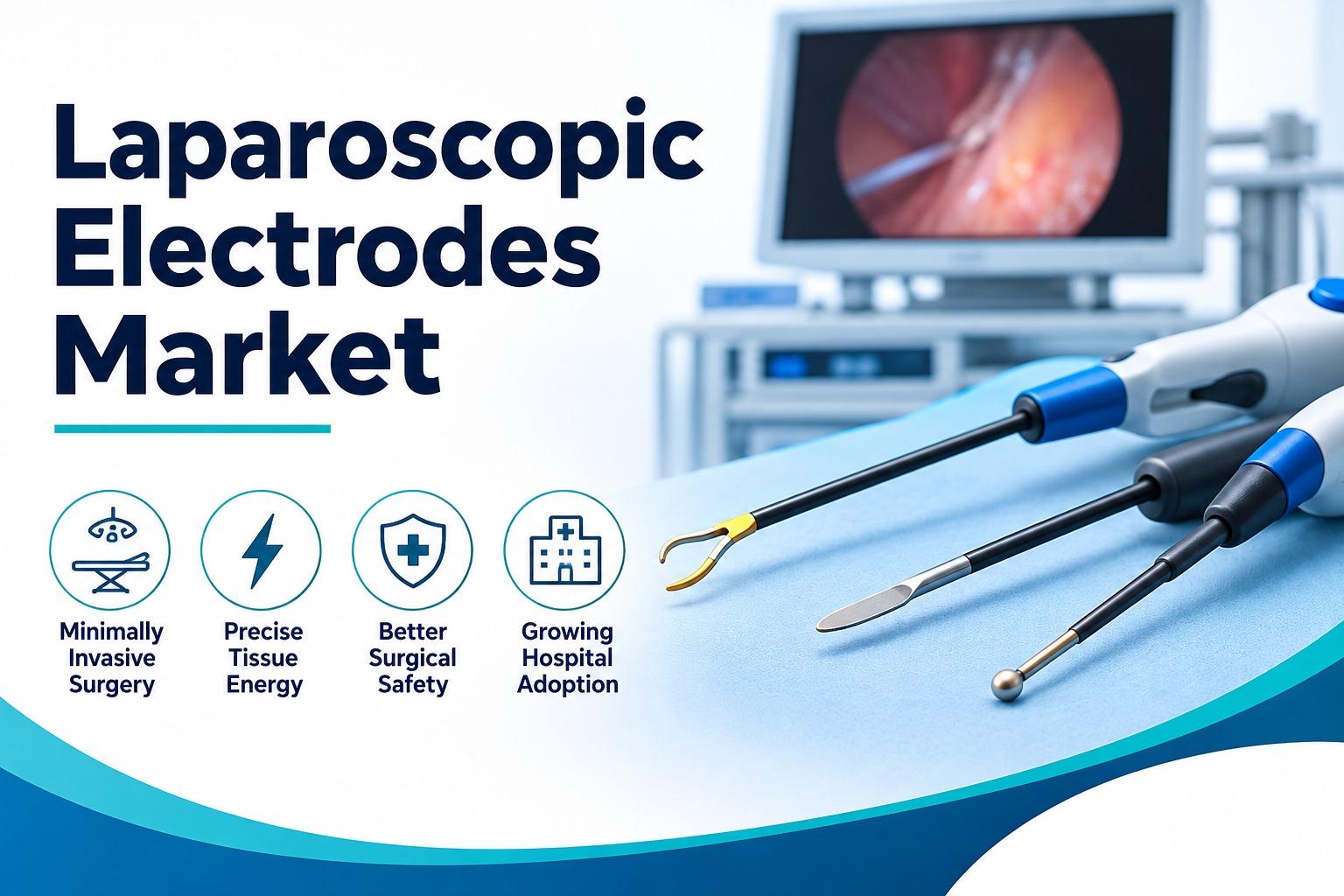
Laparoscopic electrodes are surgical instruments used in minimally invasive procedures to deliver electrical energy for tissue cutting, coagulation, dissection, and hemostasis. These instruments are designed for use with electrosurgical systems during procedures performed through small incisions using laparoscopes and specialized surgical tools. Common types include monopolar and bipolar electrodes, which are used across general surgery, gynecology, urology, and other surgical specialties. Growing preference for minimally invasive procedures, increasing surgical volumes, improvements in electrosurgical technologies, and expansion of healthcare infrastructure are supporting market growth.
Get Full Report: https://straitsresearch.com/report/laparoscopic-electrodes-market
Growth Drivers of the Laparoscopic Electrodes Market
Increasing Adoption of Minimally Invasive Surgeries
The growing preference for minimally invasive procedures is driving demand for laparoscopic surgical instruments. These procedures generally involve smaller incisions than traditional open surgery and can offer benefits such as reduced tissue trauma, shorter hospital stays, and faster recovery for suitable patients. Laparoscopic electrodes are essential tools in many of these operations.
Rising Prevalence of Chronic Diseases
Increasing cases of conditions requiring surgical intervention, including gastrointestinal disorders, obesity-related conditions, gynecological diseases, and urological disorders, are supporting demand for laparoscopic procedures. The need for effective surgical treatment is contributing to the use of specialized electrosurgical instruments.
Technological Advancements in Electrosurgical Devices
Improvements in electrode design, insulation materials, energy delivery, and electrosurgical systems are enhancing instrument performance. These developments support more controlled tissue cutting and coagulation while helping surgical teams manage procedures efficiently.
Growing Demand for Advanced Surgical Instruments
Hospitals and surgical centers are investing in specialized instruments that support precision, reliability, and procedural efficiency. Increasing adoption of advanced laparoscopic equipment is creating opportunities for manufacturers of monopolar and bipolar electrodes.
Expansion of Healthcare Infrastructure
The development of hospitals, ambulatory surgical centers, and specialized surgical facilities is improving access to minimally invasive procedures. Investments in operating rooms and advanced surgical equipment are supporting the adoption of laparoscopic electrodes.
Increasing Surgical Training and Clinical Expertise
Greater availability of laparoscopic training programs and improved surgical expertise are supporting the wider use of minimally invasive techniques. As more healthcare professionals gain experience with laparoscopic procedures, demand for compatible surgical instruments is increasing.
Applications of the Laparoscopic Electrodes Market
General Surgery
Laparoscopic electrodes are used in procedures involving the gallbladder, appendix, stomach, intestines, and other abdominal structures. They support tissue dissection, cutting, and coagulation during minimally invasive operations.
Gynecological Surgery
Gynecologists use laparoscopic electrodes in procedures such as ovarian cyst removal, endometriosis treatment, hysterectomy, and other pelvic surgeries. Electrosurgical instruments help facilitate tissue dissection and bleeding control during these procedures.
Urological Surgery
Laparoscopic electrodes are used in selected minimally invasive urological procedures involving the kidneys, adrenal glands, and other urinary system structures. Their applications include tissue cutting, coagulation, and dissection.
Bariatric Surgery
Laparoscopic electrodes are used during weight-loss procedures such as gastric bypass and sleeve gastrectomy. They support tissue dissection and hemostasis during operations performed through small abdominal incisions.
Colorectal Surgery
In colorectal procedures, laparoscopic electrodes assist surgeons with tissue separation, dissection, and coagulation. They are used in selected operations involving the colon and rectum.
Thoracic and Other Minimally Invasive Procedures
Specialized electrosurgical instruments may also be used in selected thoracoscopic and other minimally invasive operations. Their role depends on the procedure, surgical approach, and compatibility with the electrosurgical system.
Emerging Trends in the Laparoscopic Electrodes Market
Development of Advanced Electrode Designs
Manufacturers are developing electrodes with improved tip configurations, insulation, ergonomics, and durability. These design improvements aim to support precise energy delivery and better instrument handling during complex procedures.
Increasing Adoption of Bipolar Electrosurgical Technology
Bipolar electrodes deliver electrical energy between two electrodes at the instrument tip. Their controlled energy delivery is useful in procedures requiring localized coagulation and tissue management, contributing to their adoption across selected surgical applications.
Growing Focus on Disposable Surgical Instruments
Healthcare providers are increasingly evaluating single-use instruments for procedures where infection prevention, consistent performance, and simplified instrument processing are priorities. Disposable laparoscopic electrodes are part of this broader shift in surgical supply management.
Integration with Advanced Electrosurgical Systems
Laparoscopic electrodes are being developed for compatibility with advanced electrosurgical generators and energy platforms. Improved system integration can support controlled energy delivery and different surgical functions.
Increasing Use of Minimally Invasive Surgical Techniques
Advances in laparoscopic techniques and surgical equipment are supporting the use of minimally invasive approaches across additional procedures. This is creating demand for specialized electrodes designed for different anatomical and procedural requirements.
Emphasis on Surgical Safety and Instrument Quality
Hospitals and manufacturers are placing greater attention on insulation integrity, thermal performance, biocompatibility, and instrument reliability. Product development and quality testing are important for reducing procedural risks and supporting consistent surgical performance.


