

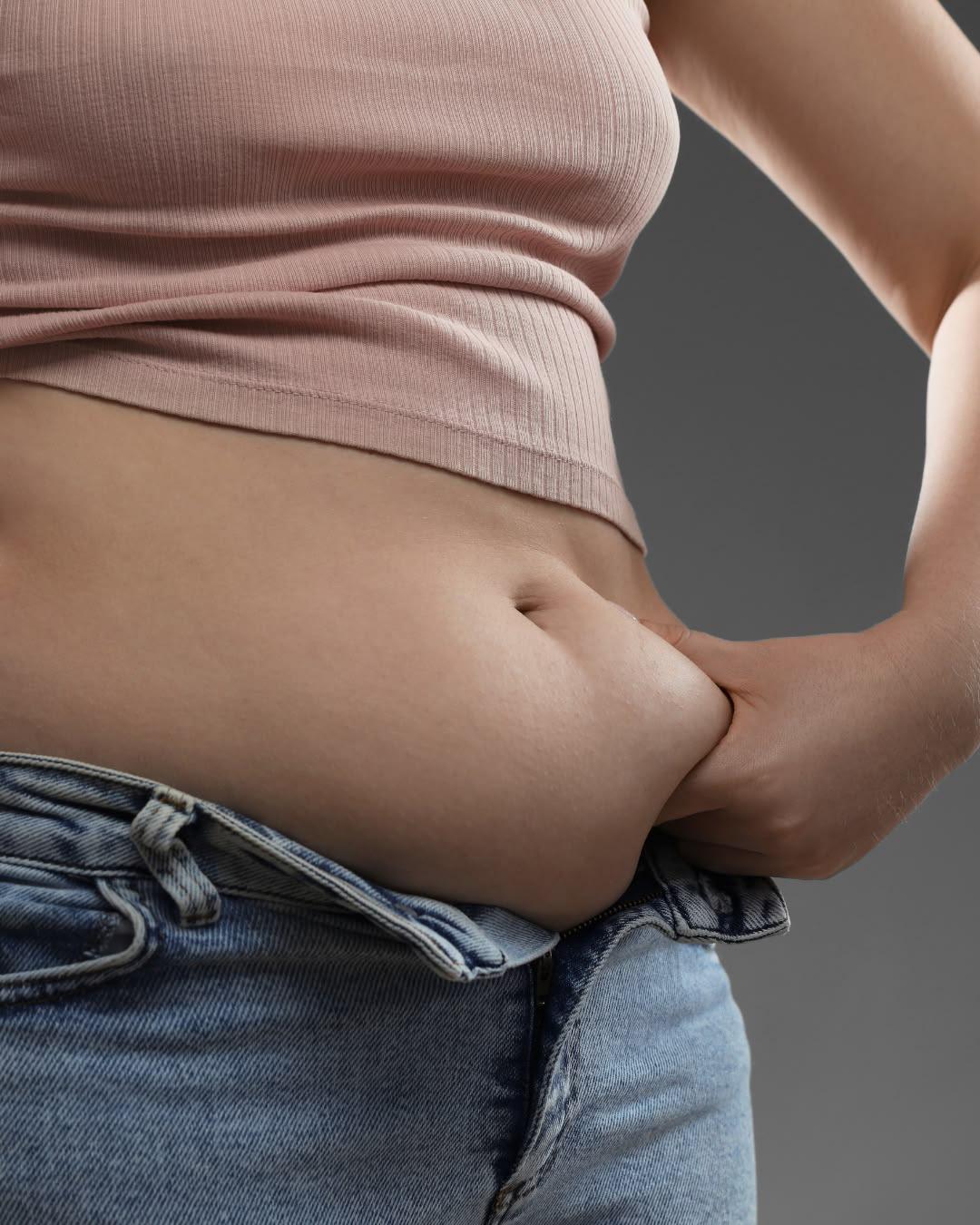
How Abdominoplasty Can Improve Abdominal Shape and Body Confidence in Islamabad

Changes in body shape are a natural part of life, but some physical changes can remain even after adopting a healthy lifestyle. Excess abdominal skin, stretched muscles, and stubborn tissue around the stomach can affect the body's overall appearance. These concerns are particularly common after pregnancy, substantial weight loss, and ageing. For individuals who want to improve their abdominal contours, cosmetic surgery may provide an effective option. Abdominoplasty, widely recognised as tummy tuck surgery, is designed to remove excess skin and create a smoother abdominal profile. Those researching abdominoplasty in Islamabad should understand the procedure, its suitability, preparation requirements, and recovery expectations before considering treatment.
Why Does the Abdomen Lose Its Firm Appearance?
The abdominal area can change for several reasons throughout adulthood. Pregnancy is one of the most common factors because the growing baby stretches the abdominal muscles and surrounding skin. After childbirth, the skin may not return to its previous condition, particularly when significant stretching has occurred.
Weight fluctuations can also affect abdominal appearance. When a person loses a considerable amount of weight, excess skin may remain because the skin cannot always adjust to the body's new size. This can create folds around the stomach that do not disappear through exercise.
Ageing is another contributing factor. As collagen and elastin production naturally decrease, the skin gradually loses some of its firmness. Genetics and individual skin characteristics may also influence how the abdomen changes over time.
What Makes Abdominoplasty Different From Weight-Loss Treatments?
Many people confuse tummy tuck surgery with procedures designed specifically for weight reduction. However, these treatments have different purposes. Abdominoplasty primarily focuses on improving the appearance of the abdominal area rather than reducing overall body weight.
The procedure removes selected excess skin and may involve repairing separated abdominal muscles. This can help create a firmer and smoother stomach profile in suitable patients.
Weight-loss programmes, on the other hand, focus on reducing body fat through dietary changes, physical activity, and medical guidance when necessary. Individuals considering abdominoplasty should generally establish a stable weight before surgery because substantial weight changes afterward may influence their results.
The Importance of Personalised Surgical Planning
Every individual has different abdominal concerns, skin characteristics, and aesthetic expectations. Therefore, a personalised assessment is necessary before selecting a surgical technique.
During the consultation, the surgeon examines the abdominal area and evaluates the amount of loose skin, muscle separation, and overall body proportions. Medical history and previous surgeries are also reviewed to identify possible risks.
Some patients may require a full tummy tuck, while others may be suitable for a more limited procedure. The surgeon should explain the expected incision placement, possible scarring, recovery period, and realistic improvements.
Personalised planning helps ensure that treatment recommendations are based on medical suitability instead of unrealistic cosmetic expectations.
Different Approaches to Improving Abdominal Contours
Several surgical approaches are available depending on the patient's physical condition.
Full Abdominal Contouring: A full abdominoplasty generally addresses excess skin across the upper and lower abdomen. It may also include tightening separated abdominal muscles when appropriate.
Limited Lower Abdominal Treatment: Individuals with a smaller amount of loose skin below the belly button may be considered for a mini tummy tuck. This approach involves a more restricted treatment area.
Extended Body Contouring: When excess skin extends toward the sides of the waist, an extended technique may be considered. It addresses a wider area to improve the overall appearance of the torso.
The final choice depends on professional assessment, individual anatomy, and treatment goals. Not every technique is appropriate for every patient.
Preparing Your Body for Cosmetic Surgery
Proper preparation is essential before undergoing any surgical procedure. Patients should begin by discussing their health history, medications, allergies, and previous medical treatments with their surgeon.
Maintaining a stable weight is particularly important because major fluctuations can affect the appearance of the abdomen after surgery. A balanced diet and regular physical activity can help patients maintain their overall health before treatment.
Smoking should also be discussed because it can interfere with blood circulation and wound healing. Patients may need to stop smoking for a period recommended by their medical team.
Arranging assistance at home is another useful preparation step. Patients may require help with household responsibilities and everyday activities during the initial recovery period.
What to Expect on the Day of Surgery
Abdominoplasty is generally performed under general anaesthesia in an appropriately equipped surgical facility. Before beginning, the medical team completes the necessary checks and prepares the patient according to the agreed treatment plan.
The surgeon makes an incision in the planned area and removes excess skin. Depending on the patient's needs, abdominal muscles may also be tightened to improve firmness. The remaining skin is repositioned, and the incision is closed carefully.
The procedure's duration varies according to the surgical technique and complexity. Patients should receive detailed information about anaesthesia, expected results, potential complications, and postoperative arrangements before surgery.
Managing Recovery and Maintaining Results
The recovery period requires patience and proper medical care. Swelling, bruising, tenderness, and temporary movement restrictions are common during the early stages of healing.
Patients should follow all instructions regarding prescribed medication, wound care, compression garments, and follow-up appointments. Gentle movement may be recommended to support circulation, but heavy lifting and strenuous exercise should be avoided until the surgeon approves these activities.
A healthy lifestyle is important after recovery. Maintaining a stable weight, eating nutritious meals, and staying physically active can help preserve abdominal contours.
Patients should remember that complete healing takes time and that scars gradually change in appearance. Any unusual symptoms, including fever, worsening pain, or unexpected wound discharge, should be discussed with a healthcare professional.
Understanding the Possible Benefits and Risks
Abdominoplasty may provide several aesthetic improvements for appropriately selected patients. Removing loose skin can create a smoother abdominal appearance, while muscle tightening may improve abdominal firmness when muscle separation is present.
Some individuals also experience improved clothing fit and greater satisfaction with their body contours. However, surgery involves risks such as infection, bleeding, fluid accumulation, visible scarring, altered sensation, and delayed healing.
A detailed discussion with a qualified plastic surgeon helps patients understand these considerations and make informed decisions. Results cannot be guaranteed, and individual outcomes depend on several factors.
Finding Professional Cosmetic Surgery Guidance in Islamabad
Selecting a clinic requires careful research. Patients should verify the surgeon's professional qualifications, surgical experience, facility standards, hygiene practices, and postoperative support. A responsible consultation should provide honest answers and avoid promising unrealistic outcomes.
Individuals interested in exploring cosmetic treatment options can learn more about Enfield Royal Clinic and seek professional guidance about their aesthetic concerns and available procedures.
Conclusion
Abdominoplasty is an option for individuals who want to address excess abdominal skin and improve their body contours. Successful treatment planning involves understanding personal needs, choosing an appropriate surgical technique, preparing properly, and following professional recovery instructions. By consulting a qualified surgeon and maintaining realistic expectations, patients can make informed decisions about whether this cosmetic procedure is suitable for their long-term goals.


