

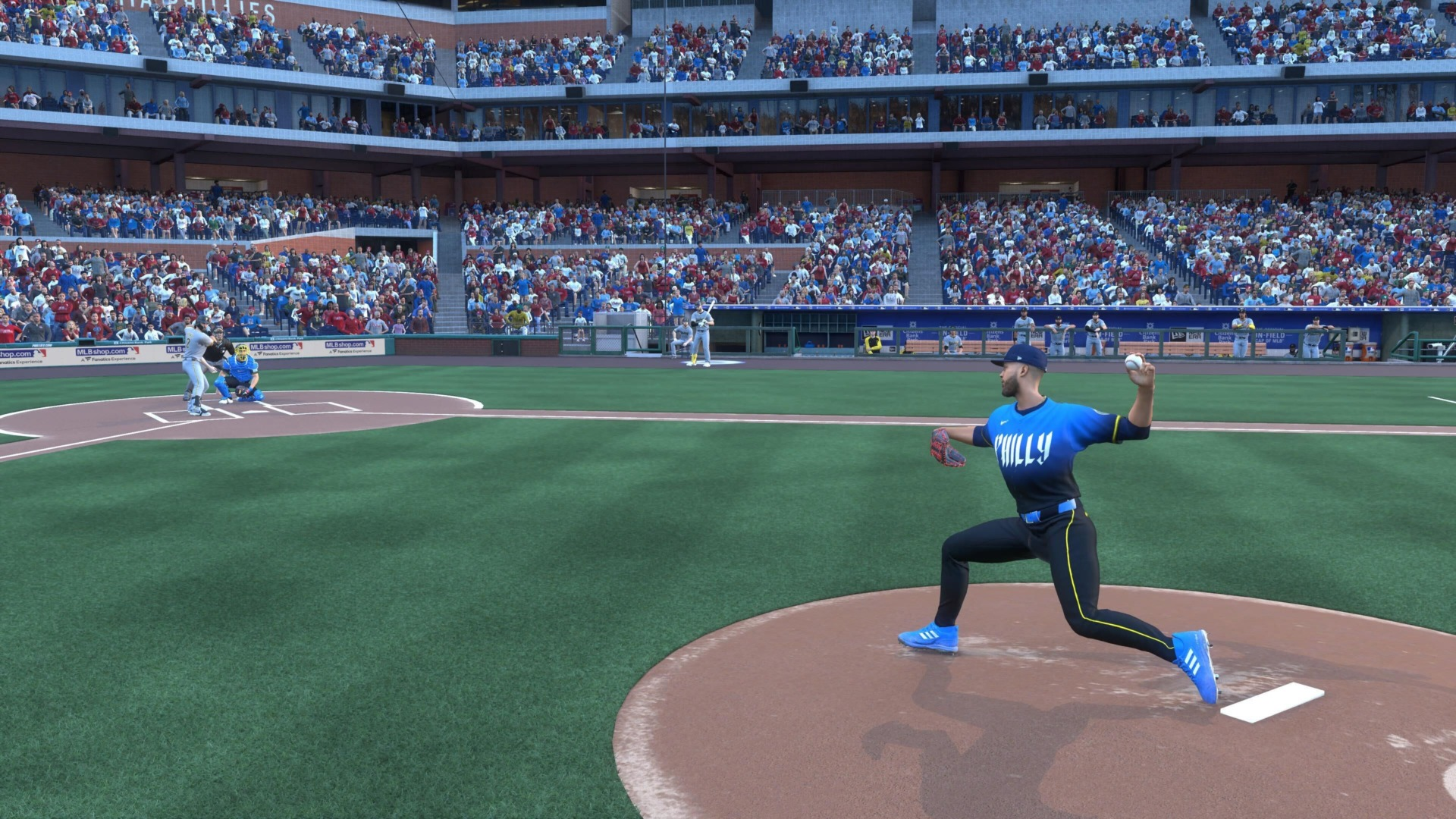

In MLB The Show 26, a pitcher can look fine on the main meter while one pitch is already becoming hard to trust. That split matters. You might have a solid fastball but a shaky changeup, and using the weaker pitch in a full count can turn a quiet at-bat into trouble. Keep an eye on both levels of confidence, especially when you are managing MLB 26 stubs and building a competitive squad around your pitching staff. Early strikes, sensible locations, and fewer free baserunners give your starter room to settle in.
Read More Than the Main Meter
Confidence changes with the flow of an at-bat. A first-pitch strike or soft grounder can steady a pitcher, while a walk, hard liner, or missed target can drag things down. The overall bar tells you how comfortable the pitcher feels, but the pitch details show where the real problem sits. If the slider is falling behind the fastball, do not keep throwing it in big counts just because it worked once. Use it in safer spots, then bring it back when the timing feels right.
Build Rhythm Before Chasing Strikeouts
The first inning is not the time to prove you can paint every corner. Start with the pitch you control best. Move it around the zone, change speeds, and make the batter think. A fastball up, a changeup below the zone, or a breaking ball near the outside edge can work well when the locations are not repeated. Players often get into trouble by hunting strikeouts after one good swing. Take the easy out when it is there. A clean inning usually helps more than a long duel that ends with a walk.
| Pitching Situation | Safer Choice | Risk to Avoid |
|---|---|---|
| High confidence fastball | Early strikes and changing eye level | Using the same lane repeatedly |
| Strong breaking pitch | Two strike counts and chase spots | Missing over the middle |
| Low confidence off-speed pitch | Early counts near the edge | Throwing it in a full count |
| Tired starter | Short sequences and careful locations | Forcing extra effort every pitch |
Use the Interface You Know
Classic, Pulse, Meter, Pure Analog, and Pinpoint all reward different habits. The best option is the one you can repeat when the inning gets tense. Do not change interfaces halfway through a close game. Practice first, then stick with the setup that gives you consistent releases. Bear Down can help in a high leverage count, but it is not a button to press after every mistake. A mound visit can slow things down, yet it will not fix a pitcher whose energy is already gone.
Know When to Protect the Inning
When confidence drops, simplify the plan. Check the energy bar, review the last few pitches, and identify what caused the slide. If the pitcher is missing badly, giving up loud contact, and facing a hitter who matches up well, make the bullpen move before the inning gets away. If the issue is only one unreliable pitch, adjust the selection instead of removing the starter. Good pitching management is often about avoiding one more mistake, which is why many players choose to buy MLB The Show Stubs while building a deeper roster for difficult matchups.


