

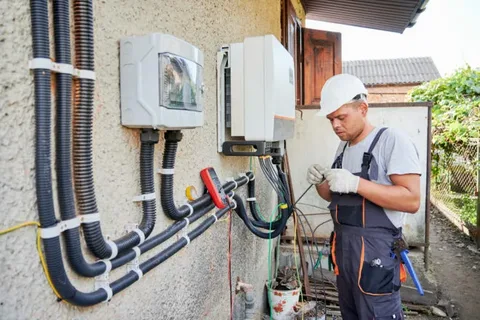

Why Electrical Safety Matters in Commercial Buildings
Electrical systems are essential to the daily operation of commercial properties. Offices, retail stores, restaurants, warehouses, and other facilities depend on reliable power to keep equipment running, maintain comfortable environments, and support employees and customers. When electrical systems are neglected, small problems can develop into serious hazards, unexpected interruptions, or costly repairs. Regular inspections help property owners understand the condition of their electrical infrastructure and identify concerns before they become major issues.
Businesses can benefit from Commercial Electrical Inspection Services Melbourne FL when they want to evaluate their electrical systems and maintain a safer working environment. An inspection provides an opportunity to examine wiring, panels, outlets, circuit breakers, and other electrical components for signs of damage, wear, or improper installation. Taking a proactive approach can help businesses reduce risks while supporting the long-term reliability of their electrical equipment.
Identifying Potential Electrical Hazards
Electrical hazards are not always easy to recognize without professional knowledge. Loose connections, damaged insulation, overloaded circuits, and outdated components can create dangerous conditions even when everything appears to be working normally. These problems may increase the risk of electrical shocks, overheating, or fires. A thorough inspection can help uncover hidden concerns that might otherwise go unnoticed during routine business operations.
Protecting Employees and Visitors
Safety should be a priority in every commercial environment. Employees often work around electrical equipment, computers, machinery, lighting systems, and other powered devices throughout the day. Customers and visitors may also enter areas where electrical components are present. Maintaining properly functioning electrical systems helps create a safer environment for everyone who uses the building. Addressing potential hazards promptly can also demonstrate a business's commitment to responsible property maintenance.
Preventing Unexpected Business Interruptions
Electrical problems can disrupt operations at inconvenient times. A malfunctioning breaker, damaged wiring, or failing electrical panel may cause equipment to stop working and interrupt important tasks. Depending on the nature of the business, downtime can affect productivity, customer service, inventory, and revenue. Routine inspections help identify developing problems so property owners can plan repairs before unexpected failures interfere with daily activities.
Evaluating Electrical Panels and Circuit Breakers
Electrical panels distribute power throughout a commercial building and play an important role in protecting individual circuits. During an inspection, professionals may examine panels for visible damage, corrosion, overheating, loose connections, and signs of excessive electrical demand. Circuit breakers should also be evaluated to ensure they are functioning properly. Identifying panel-related concerns early can help businesses avoid equipment damage and improve the overall reliability of their electrical systems.
Maintaining Reliable Lighting and Power
Proper lighting is important for productivity, visibility, and safety. Commercial properties rely on interior lighting, exterior fixtures, emergency lighting, and specialized illumination for different activities. Electrical inspections can help identify faulty connections, damaged fixtures, inconsistent power delivery, and other problems affecting lighting performance. Reliable electrical service also supports computers, appliances, machinery, and communication equipment, allowing employees to perform their responsibilities without unnecessary disruptions.
Supporting Property Maintenance and Planning
Commercial property owners must manage maintenance expenses while keeping their buildings functional and dependable. Electrical inspections can provide useful information about the condition of existing systems and highlight areas that may require attention. This information helps owners prioritize repairs, prepare maintenance budgets, and make informed decisions about upgrades. Rather than waiting for equipment to fail, businesses can take a more organized approach to maintaining their electrical infrastructure.
Choosing the Right Inspection Professional
Selecting an experienced inspection professional is an important part of maintaining commercial property. A qualified commercial inspection company Melbourne FL can help property owners assess different building systems and understand potential maintenance concerns. When choosing a provider, businesses should consider relevant experience, professional qualifications, clear communication, and the ability to explain inspection findings in straightforward language. Knowing what an inspection covers can help property owners make better decisions about the services they need.
Preparing for an Electrical Inspection
Preparation can make the inspection process more efficient. Property owners should provide access to electrical panels, equipment rooms, utility areas, and other relevant locations. Sharing information about previous electrical problems, recent renovations, equipment changes, or recurring outages may also help the inspector understand the building's needs. Keeping maintenance records available can provide additional context and make it easier to identify patterns or ongoing concerns.
Building a Long-Term Safety Routine
Electrical inspections should be considered part of an ongoing property maintenance plan rather than a one-time activity. Commercial buildings may experience changing electrical demands as equipment is added, spaces are renovated, or business operations expand. Periodic evaluations help owners stay aware of these changes and address concerns appropriately. Combining inspections with regular maintenance, timely repairs, and responsible equipment use can contribute to a safer and more dependable workplace.
Conclusion
Maintaining commercial electrical systems requires attention, planning, and a commitment to safety. Regular inspections help identify potential hazards, protect equipment, reduce interruptions, and support better maintenance decisions. By understanding the condition of their electrical infrastructure and addressing problems promptly, commercial property owners can create a more reliable environment for employees, customers, and daily business operations. A proactive approach to electrical safety can also help protect the property and support its continued functionality over time.


