


A One-Stop Pharmaceutical Formulation Solution: Coordinating Development from Preformulation to Packaging
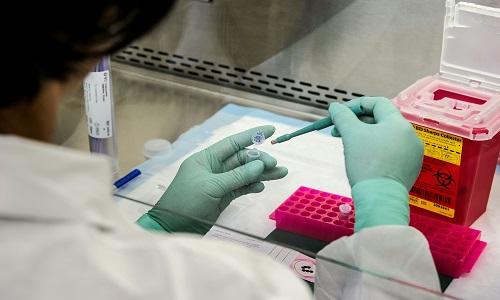
Imagine developing a pharmaceutical product with separate teams responsible for preformulation, formulation design, analytical testing, and packaging. When these activities are poorly coordinated, technical information may not reach the right team at the right time, delaying decisions and increasing the risk of rework.
The One-stop Pharmaceutical Formulation Solution brings relevant development activities into a more coordinated workflow. By connecting preformulation findings with formulation decisions, analytical results, and packaging considerations, this approach can help pharmaceutical companies and biotech teams improve communication, identify technical risks earlier, and manage development projects more efficiently.
The value lies not simply in using one provider, but in ensuring that the right expertise, data, and quality procedures are connected throughout the defined scope of formulation development.
An integrated pharmaceutical formulation service can coordinate key activities from preformulation characterization and formulation development to analytical testing, scale-up support, and packaging assessment, depending on the provider's capabilities and project scope. Instead of coordinating multiple specialist vendors, a pharmaceutical company partners with one provider that manages every stage. This integration rests on six pillars. Preformulation studies characterize the active ingredient's physicochemical properties, including solid-state form and polymorphism, solubility, crystallization behavior, and stability, to inform formulation design and process development. Formulation development tests excipients, researches processes, and scales production toward commercialization. Analytical testing evaluates relevant quality attributes using fit-for-purpose methods, which may include dissolution testing, assay and impurity profiling, content uniformity, and microbiological testing, as appropriate for the dosage form and applicable quality requirements. Analytical platforms such as GC-MS, LC-MS/MS, and NMR can support different characterization and analytical needs. Method selection depends on the analyte, the analytical objective, and the required sensitivity, selectivity, and data quality. Depending on the project scope and technical capabilities, formulation development may involve selected drug delivery platforms, such as microneedles, transdermal patches, microspheres, or nanoparticles. Their suitability and performance should be evaluated against the intended route of administration, drug properties, and target product requirements. Packaging services protect the finished product with sealability and moisture testing. Think of it as a car factory: A one-stop formulation partner can coordinate defined development activities, helping connect preformulation findings, formulation decisions, analytical results, and packaging considerations within a more integrated workflow.
The traditional model is a relay race. Biotech companies may need to coordinate multiple specialist vendors, each with its own timelines, procedures, and data formats. Poorly managed handoffs can create coordination gaps, delay decisions, and complicate the transfer of technical information between teams. A formulation team waits for preformulation results. An analytical lab waits for samples. Nobody sees the full picture, and when something goes wrong, responsibility scatters. An integrated service model can reduce external handoffs and improve coordination across development activities. Shared documentation, defined responsibilities, and coordinated project management can also improve data continuity and help identify technical issues earlier. A designated project manager can coordinate timelines, responsibilities, and communication across participating teams. This matters most for small biotechs and startups, which rarely have the staff to manage multiple vendors. A one-stop partner levels the playing field, letting small teams focus on their core science while the development engine runs in the background.
No model is universal. An integrated formulation model may be particularly useful during early formulation development and for conventional dosage-form programs, such as tablets and capsules, where coordinated preformulation, formulation, and analytical activities can improve workflow continuity. The suitability of this model depends on project complexity and the provider's technical expertise. For highly specialized biologics or novel modalities, a niche expert vendor may still be necessary. The deciding factors are project complexity, development stage, and internal capability. The honest answer is that one-stop is not always the right choice — but for a growing share of drug development programs, it is becoming the default.
A More Integrated Approach to Pharmaceutical Formulation
Successful pharmaceutical formulation development depends on more than individual technical capabilities. Preformulation characterization, excipient selection, process optimization, analytical testing, and packaging assessment must be aligned with the product's intended requirements.
An integrated service model can help teams coordinate these activities, improve data continuity, and address technical challenges earlier in development. However, the appropriate scope of integration depends on the product, development stage, and expertise required.
For pharmaceutical companies and biotech teams seeking a more coordinated development workflow, explore our pharmaceutical formulation services to identify the support that best fits your project needs.


