

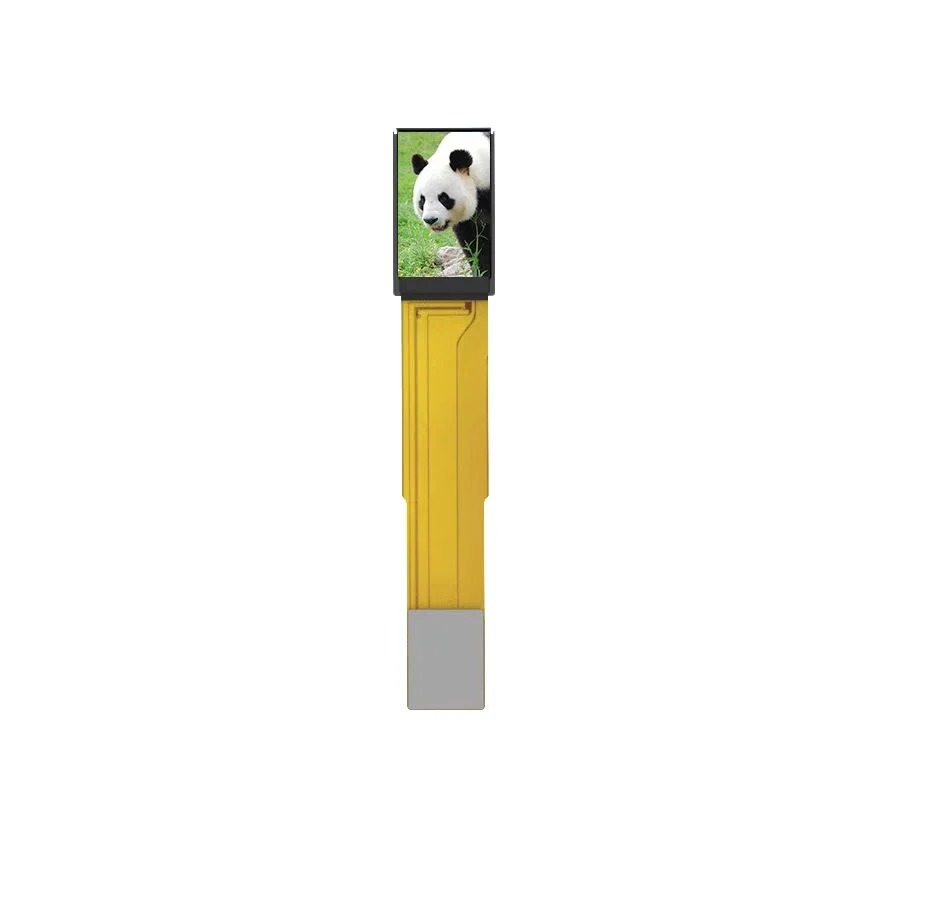
Micro OLED Display Technology: Transforming the Future of Compact Visual Experiences

The demand for smaller, sharper, and more energy-efficient display technologies continues to grow across modern industries. From augmented reality headsets and virtual reality equipment to wearable electronics and advanced optical systems, manufacturers are looking for display solutions that deliver exceptional visual quality without increasing device size. A micro oled display offers an innovative approach to meeting these requirements by combining compact dimensions with high pixel density, impressive contrast, and detailed image reproduction. As electronic products become increasingly sophisticated, this technology is creating new opportunities for developers, engineers, and manufacturers.
Understanding Micro OLED Display Technology
Micro OLED, also known as micro organic light-emitting diode technology, is a display solution designed for applications where space efficiency and image quality are equally important. Unlike conventional display panels, micro OLED screens use organic light-emitting materials to generate light at the pixel level. This allows individual pixels to illuminate independently, eliminating the need for a traditional backlight.
The result is a display capable of producing deep blacks, vibrant colors, and excellent contrast. Its compact architecture also makes it suitable for devices that require small screens with high-resolution output. These characteristics have made micro OLED technology increasingly relevant in specialized electronic equipment and next-generation visual products.
Why Compact Displays Are Becoming Essential
Modern electronic devices are becoming smaller, lighter, and more multifunctional. Consumers expect wearable products and portable equipment to provide sophisticated features without compromising comfort or convenience. Traditional display technologies can create design challenges when manufacturers need to fit high-quality screens into limited spaces.
Micro OLED technology addresses several of these challenges. Its compact construction allows engineers to integrate advanced visual capabilities into smaller products. High pixel density supports detailed images, while efficient pixel-level illumination helps eliminate unnecessary backlighting components.
For manufacturers, these features provide greater flexibility when developing innovative electronic products. They can explore smaller device structures while maintaining the visual performance required for demanding applications.
Important Applications Across Different Industries
Micro OLED displays are finding applications in several technology-driven industries. Their combination of compact size and high-quality imaging makes them particularly useful in products that depend on precise visual information.
1. Augmented and Virtual Reality
Augmented reality and virtual reality devices require displays that can deliver detailed images within extremely limited physical spaces. Micro OLED technology supports immersive visual experiences through high pixel density and strong contrast performance.
In head-mounted displays, these characteristics help improve image clarity and visual presentation. They also provide manufacturers with opportunities to develop more compact optical systems.
2. Electronic Viewfinders
Digital cameras and specialized imaging equipment often require small displays that can reproduce images with excellent detail. Micro OLED technology is suitable for electronic viewfinders because it can provide sharp visuals and rich contrast in a compact format.
Photographers and equipment manufacturers benefit from display solutions that help present accurate visual information while maintaining portable product designs.
3. Medical and Professional Equipment
Medical imaging devices and professional optical instruments frequently depend on clear visual output. Compact display modules can support equipment where available installation space is limited.
Micro OLED technology offers potential advantages for specialized monitoring systems, inspection instruments, and other professional devices that require detailed image presentation.
4. Wearable Electronics
Wearable technology continues to expand into healthcare, communication, industrial monitoring, and personal electronics. Lightweight components and efficient space utilization are important considerations in these products.
Small display modules can help manufacturers introduce advanced visual interfaces without making wearable devices unnecessarily bulky.
Key Advantages of Micro OLED Displays
Several characteristics make micro OLED technology an attractive option for modern display applications.
-
High Pixel Density: Small screen dimensions combined with dense pixel arrangements support detailed image reproduction.
-
Excellent Contrast: Independently illuminated pixels allow deep black levels and strong contrast.
-
Compact Construction: Small display structures are suitable for space-constrained electronic products.
-
Fast Response: OLED technology can provide rapid pixel response, supporting smooth visual transitions in suitable applications.
-
Wide Design Possibilities: Compact modules give engineers greater flexibility when developing specialized optical systems.
-
Vivid Color Performance: OLED-based pixels can produce rich colors and visually appealing images.
Actual performance depends on the selected module, resolution, brightness requirements, operating conditions, and overall system design.
Factors to Consider When Selecting a Display Module
Choosing the right display technology requires more than comparing screen dimensions. Manufacturers should evaluate several technical specifications before integrating a display into their products.
Resolution and pixel density are important considerations because they directly influence image detail. Brightness requirements should also be evaluated according to the intended operating environment. Optical compatibility, viewing characteristics, interface requirements, and power consumption can influence the overall performance of the finished device.
Thermal management and product dimensions should not be overlooked either. A display module must operate reliably within the surrounding electronic and optical architecture. Evaluating these requirements early in the development process can reduce integration difficulties and support better product results.
The Future of Micro OLED Technology
As augmented reality, virtual reality, wearable electronics, and advanced optical equipment continue to develop, the demand for compact display components is expected to remain strong. Manufacturers are exploring increasingly sophisticated visual systems that require detailed images, smaller components, and improved integration.
Micro OLED technology is well positioned to contribute to this evolution. Continued improvements in manufacturing processes, resolution, brightness, and module integration may create further opportunities across consumer electronics and professional applications.
Businesses developing next-generation visual products should therefore pay close attention to advancements in microdisplay technology. Understanding available specifications and selecting suitable components can help create products that meet changing industry expectations.
Conclusion
Micro OLED technology represents an important development in the evolution of compact display solutions. Its high pixel density, strong contrast, compact structure, and versatile applications make it valuable for AR and VR equipment, electronic viewfinders, wearable devices, and specialized optical systems. Selecting the right display module requires careful consideration of resolution, brightness, compatibility, and application requirements. For businesses exploring modern display solutions, micro oled display technology offers exciting possibilities for developing smaller, smarter, and more advanced visual products.


