

Turning Refrigerated Displays into Sales Opportunities: The Value of Modern Glass Door Design

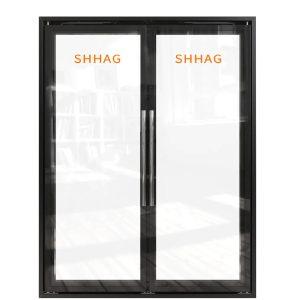
In supermarkets, convenience stores, cafés, bakeries, and restaurants, product presentation plays an important role in attracting customer attention. Refrigerated displays allow businesses to showcase chilled food and beverages while keeping them within suitable storage conditions. One important feature of this equipment is the display fridge glass door, which provides visibility into the refrigerator without requiring customers or employees to open it. By combining product presentation with practical access, glass-door designs help create organised retail displays and support efficient commercial refrigeration.
Why Glass Door Displays Matter in Retail
Customers often prefer to see available products before making a purchase. Transparent refrigerator doors make this possible by displaying beverages, dairy products, packaged foods, desserts, and other chilled items clearly.
Unlike solid refrigerator doors, glass designs allow customers to browse products while the cooling environment remains enclosed. This can make product selection more convenient and reduce the need for unnecessary door openings.
For retailers, visibility also makes inventory easier to monitor. Employees can quickly identify empty shelves, recognise products that need replenishment, and maintain a consistent display throughout the day.
These benefits make glass-front refrigeration useful in locations where product visibility and convenient access are important.
Creating an Attractive Product Presentation
A well-organised refrigerated display can improve the appearance of a commercial space. Clean glass surfaces, suitable interior lighting, and neatly arranged shelves help products stand out.
Businesses can organise products according to category, brand, size, or flavour. For example, supermarkets may separate dairy products from packaged beverages, while cafés may arrange bottled drinks and desserts according to customer demand.
Interior lighting can further improve visibility, particularly in stores where refrigerated displays are part of the main customer area. However, lighting should be selected according to the refrigerator's design and operating specifications.
Maintaining clean glass and properly arranged shelves is equally important. A cluttered display can make products difficult to identify and reduce the overall visual appeal.
Supporting Temperature Control and Product Quality
A display refrigerator must maintain suitable internal temperatures while allowing customers to view its contents. The glass door is therefore not simply a decorative feature; it is an important part of the refrigerator's overall enclosure.
Glass construction, insulation properties, door frames, and sealing systems all influence performance. Properly fitted seals help limit unwanted air exchange, while suitable insulated glass can contribute to reducing heat transfer.
Temperature requirements depend on the products being stored. Businesses should follow applicable food safety guidance and the equipment manufacturer's recommended operating settings.
Regular temperature monitoring is also useful. It helps employees identify unusual changes and respond before unsuitable storage conditions affect products.
Choosing the Right Glass Door Specifications
Different businesses have different refrigeration requirements, so selecting a suitable door involves more than considering its appearance.
Buyers should examine glass quality, frame construction, door dimensions, handle design, hinge durability, and sealing performance. The door should be compatible with the refrigerator model and suitable for its expected usage.
Commercial environments often involve frequent opening and closing. Durable components are therefore important for maintaining convenient operation over time.
Businesses should also consider whether the door's opening direction fits the available floor space. In busy retail environments, a practical layout helps prevent obstruction and makes customer access easier.
Reviewing manufacturer specifications before purchasing can help avoid compatibility issues and ensure the selected equipment meets operational requirements.
Improving Energy Efficiency Through Better Usage
Refrigerated display equipment operates for extended periods, making energy consumption an important business consideration.
A properly designed door can help maintain the refrigerator's internal environment by reducing unnecessary heat exchange. However, energy performance also depends on refrigeration technology, insulation, ambient conditions, maintenance, and usage patterns.
Businesses can support efficient operation through simple daily practices. Doors should not be left open unnecessarily, products should be arranged without blocking airflow, and damaged seals should be inspected and replaced when needed.
Regular maintenance helps the refrigeration system operate under appropriate conditions and may reduce avoidable energy losses.
Applications Across Different Industries
Glass-door display refrigerators are used in many commercial settings because they combine visibility with chilled storage.
-
Supermarkets: Display dairy products, packaged foods, and beverages in organised sections.
-
Convenience stores: Make bottled drinks and ready-to-consume products easier to browse.
-
Cafés: Present chilled beverages, desserts, and prepared snacks.
-
Bakeries: Showcase refrigerated cakes, pastries, and other temperature-sensitive items.
-
Restaurants: Keep selected beverages and ingredients accessible to staff.
Each application may require different refrigerator dimensions, temperature settings, shelving arrangements, and door configurations. Businesses should choose equipment based on the products they handle and the available installation space.
Cleaning and Maintenance for Long-Term Performance
Glass doors need regular cleaning to maintain transparency and a professional appearance. Fingerprints, dust, spills, and watermarks can quickly become noticeable in customer-facing environments.
Cleaning should follow the manufacturer's recommendations to protect the glass, frame, and surface finishes. Staff should also inspect door seals, hinges, handles, and alignment during routine maintenance.
If a door becomes difficult to close, develops visible damage, or shows signs of unusual condensation, the issue should be assessed promptly. Proper maintenance helps preserve appearance while supporting reliable refrigeration performance.
Making a Smarter Display Refrigeration Investment
Choosing commercial display refrigeration requires balancing presentation, product protection, durability, and operating efficiency. A suitable glass-door system can make products easier to view, simplify inventory checks, and contribute to a more organised retail environment.
Before purchasing, businesses should evaluate glass specifications, insulation, door construction, refrigerator compatibility, and maintenance requirements. Regular cleaning and responsible operation can further help maintain performance over time.
Ultimately, a thoughtfully selected display fridge glass door can support a better customer experience while helping businesses present chilled products clearly and maintain practical commercial storage conditions.


