

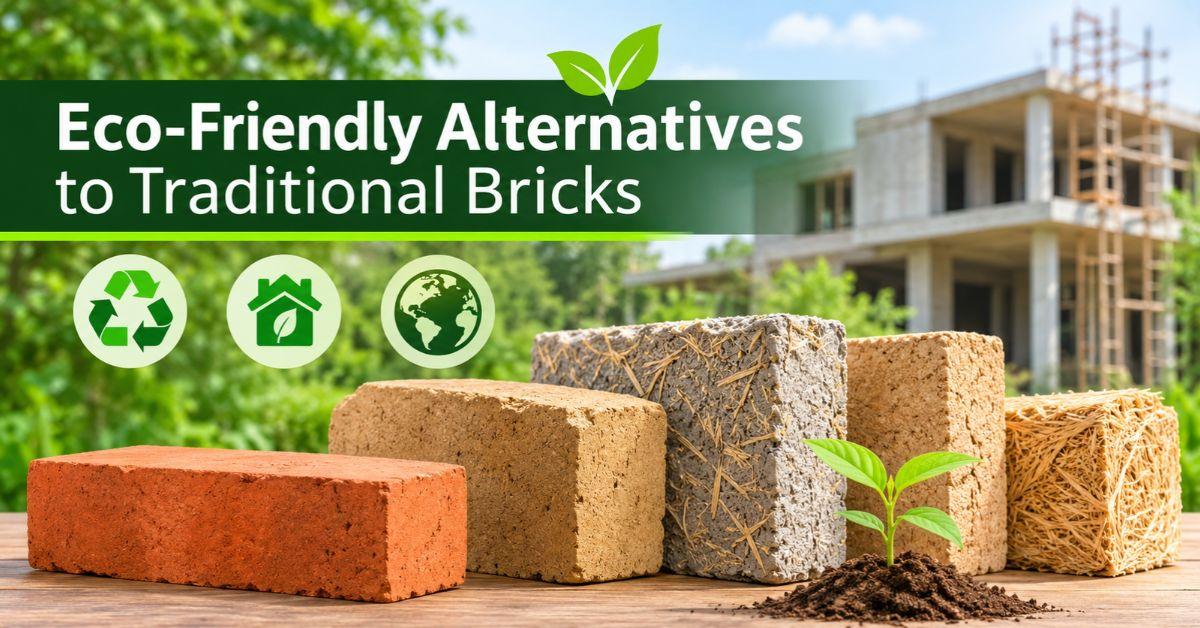

Choosing sustainable construction materials has become an important consideration in modern building projects. As environmental awareness grows, homeowners and builders are exploring alternatives that reduce resource consumption and construction waste. Even when comparing options from Wire Cut Bricks Manufacturers in Chennai, it is useful to understand how traditional brick production affects the environment and what other materials are available. From fly ash bricks to compressed earth blocks, several alternatives offer practical solutions for residential and commercial construction without overlooking strength, durability, and long-term performance.
1. Why Sustainable Building Materials Matter
Traditional brick manufacturing involves extracting clay, shaping bricks, and firing them at high temperatures. These processes require considerable energy and can contribute to air pollution and carbon emissions. Large-scale clay extraction may also affect agricultural land and natural resources.
Sustainable construction materials provide opportunities to reduce some of these environmental effects. Many alternatives use industrial by-products, locally available soil, or recycled materials. Their production methods may require less energy and generate less waste compared to conventional brick manufacturing.
Choosing appropriate materials also involves considering their lifespan, maintenance requirements, availability, and suitability for local weather conditions. A material that performs well over several decades can reduce the need for frequent repairs and replacements.
2. Fly Ash Bricks as an Alternative
Fly ash bricks are manufactured using fly ash, cement or lime, sand, and other suitable binding materials. Fly ash is a by-product of coal-based thermal power plants, and using it in brick production provides an alternative application for industrial waste.
These bricks generally have uniform dimensions and a consistent surface finish. Their manufacturing process does not require the same traditional clay-firing method, which can help reduce energy consumption.
Fly ash bricks are commonly used in residential buildings, boundary walls, and commercial developments. However, buyers should check compressive strength, water absorption, and applicable quality standards before selecting them for a project.
3. Compressed Stabilised Earth Blocks
Compressed stabilised earth blocks are made by combining suitable soil with a small quantity of stabilising material, such as cement or lime. The mixture is compressed using a mechanical or hydraulic press to create solid building blocks.
One advantage of this method is that it generally avoids high-temperature firing. This can reduce energy requirements during production. Since the blocks can be manufactured using locally available soil, transportation distances may also be reduced when suitable resources are available nearby.
These blocks can provide good thermal performance when properly designed and installed. They are particularly useful in projects where natural materials and lower-energy construction methods are priorities. Soil composition, moisture resistance, and structural requirements should be assessed before use.
4. Recycled Construction Material Blocks
Construction and demolition activities generate considerable amounts of waste, including concrete, masonry fragments, and other reusable materials. Instead of sending all this waste to landfills, suitable materials can be processed and reused in manufacturing construction blocks.
Recycled aggregate blocks are produced by incorporating processed construction waste into new building materials. This approach helps reduce the demand for freshly extracted natural aggregates and supports better waste management.
However, the quality of recycled blocks depends on the source materials, processing methods, and manufacturing standards. Buyers should verify their strength, durability, and intended applications before including them in a building project.
5. AAC Blocks for Modern Construction
Autoclaved aerated concrete blocks, commonly known as AAC blocks, are lightweight construction materials manufactured using cement, lime, sand or fly ash, water, and an expanding agent. The production process creates small air pockets throughout the material.
Their lightweight structure makes transportation and installation easier compared with many conventional masonry materials. AAC blocks also provide useful thermal and sound insulation properties, which can contribute to comfortable indoor environments.
Another advantage is that their larger dimensions can reduce the number of individual blocks required for wall construction. This may help speed up masonry work and reduce mortar consumption.
Nevertheless, proper installation techniques, suitable adhesives, and appropriate surface finishing are important to achieve the expected performance.
6. Recycled Plastic Bricks
Plastic waste is a growing environmental concern, and researchers and manufacturers are exploring ways to reuse discarded plastic in construction products. Recycled plastic bricks are one example of this approach.
Depending on the manufacturing method, these products may combine processed plastic with sand or other materials to create building blocks. Reusing plastic waste can reduce the quantity of discarded material entering landfills.
However, not every recycled plastic product is suitable for structural construction. Buyers should carefully examine fire resistance, load-bearing capacity, heat performance, and relevant safety certifications. These materials should only be used in applications approved by their manufacturers and applicable building standards.
7. Choosing the Right Eco-Friendly Brick Material
Selecting an environmentally responsible building material requires more than comparing its appearance or purchase price. Each alternative has different properties, manufacturing requirements, and construction applications.
Consider the following factors before making a decision:
-
Strength: Check whether the material meets the structural requirements of the intended application.
-
Energy consumption: Understand how much energy is involved in manufacturing the product.
-
Material availability: Locally sourced materials can help reduce transportation-related emissions.
-
Water resistance: Evaluate how the material performs in areas exposed to rain and moisture.
-
Thermal performance: Consider insulation properties that may improve indoor comfort.
-
Maintenance: Review the expected lifespan and maintenance requirements.
-
Certifications: Look for relevant testing reports and compliance with applicable building standards.
It is also important to consult architects, structural engineers, and experienced contractors before replacing conventional bricks with alternative materials. Their guidance helps ensure that environmental considerations do not compromise building safety or performance.
8. Building a More Sustainable Future
Eco-friendly construction does not depend on choosing a single alternative material. It involves making thoughtful decisions throughout the building process, from sourcing raw materials to reducing construction waste and improving energy efficiency.
Fly ash bricks, compressed earth blocks, recycled aggregate blocks, AAC blocks, and recycled plastic products each offer different possibilities. The right choice depends on the building design, project budget, local climate, and intended application.
As sustainable construction practices continue to develop, homeowners and builders have more opportunities to reduce environmental impact while maintaining practical building standards. Comparing material specifications and understanding their long-term performance can make the selection process easier. By discussing these requirements with experienced Brick Dealers in Chennai, buyers can explore suitable brick options and make informed decisions for their construction projects.


