

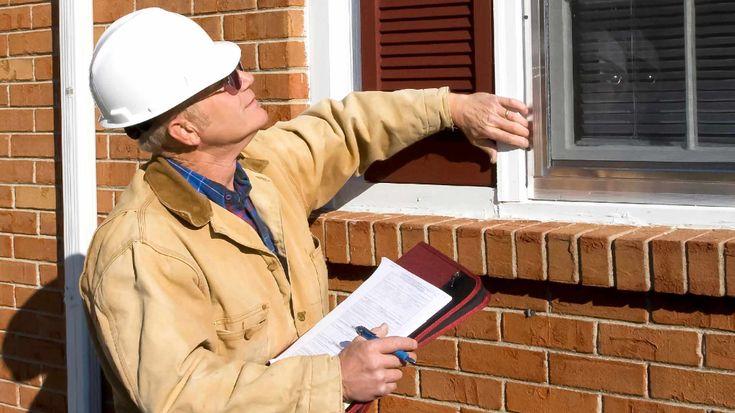

Understanding the Importance of Property Evaluation
Purchasing a home is a major financial decision that deserves careful consideration. While a property may look attractive during a showing, some problems are not immediately visible. Issues involving roofing, plumbing, electrical systems, foundations, or moisture can affect safety, comfort, and future expenses. Taking time to understand the property's condition helps buyers make decisions based on more than appearance and initial impressions.
Looking Beyond First Impressions
Arranging Pre-Purchase Inspection Services in Longwood FL gives buyers an opportunity to learn more about a property's visible condition before completing a transaction. An inspection can help identify concerns that may require repair, further evaluation, or ongoing maintenance. The findings provide useful information for understanding the home's current condition and deciding whether additional questions should be addressed before moving forward with the purchase.
Examining the Roof and Exterior
The roof and exterior protect the home from weather exposure, moisture, and other environmental conditions. An inspector may examine visible roofing materials, flashing, gutters, exterior walls, windows, doors, and accessible drainage areas. Missing shingles, damaged siding, deteriorated seals, or signs of water intrusion may indicate areas that need attention. Understanding these conditions helps buyers consider possible maintenance requirements after purchasing the property.
Checking the Foundation and Structural Components
Structural components play an important role in a building's stability and long-term performance. During an inspection, visible areas of the foundation, floors, walls, ceilings, and supporting structures may be evaluated for signs of concern. Cracks, uneven surfaces, water damage, or noticeable movement may require further investigation. Not every crack indicates a serious structural problem, but unusual findings should be understood before finalizing a purchase.
Reviewing Electrical System Conditions
Electrical problems can create safety concerns and affect the reliability of household equipment. An inspection may include a visual review of accessible wiring, outlets, switches, electrical panels, and other visible components. Damaged outlets, exposed wiring, missing covers, or signs of overheating deserve attention. Buyers should understand that a general inspection does not replace a specialized electrical evaluation when significant concerns are identified.
Evaluating Plumbing and Drainage
Plumbing systems supply clean water and remove wastewater, making their condition essential to everyday living. Inspectors may check visible pipes, faucets, sinks, toilets, drains, and water heaters for leaks or other apparent problems. Water stains, corrosion, slow drainage, and unusual odors can indicate issues that deserve further attention. Buyers should also ask about known plumbing repairs and any recurring problems reported by the seller.
Understanding the Inspection Process
A professional Real Estate Inspection generally involves reviewing accessible areas and documenting visible conditions at the time of the visit. The inspector may examine major building components, installed systems, and areas where maintenance or repair concerns are apparent. The process is designed to provide an objective overview rather than guarantee that every hidden defect will be discovered. Understanding its scope helps buyers interpret the findings appropriately.
Looking for Moisture and Ventilation Issues
Moisture can affect different parts of a property, including bathrooms, kitchens, ceilings, crawl spaces, and areas near windows. Inspectors may look for visible staining, damp materials, damaged finishes, or conditions that suggest water intrusion. Poor ventilation can also contribute to condensation and indoor moisture problems. When suspicious conditions appear, additional testing or evaluation by a qualified specialist may be recommended.
Checking Heating and Cooling Equipment
Heating and cooling systems contribute to indoor comfort throughout the year. An inspection may involve checking accessible equipment, thermostat response, visible components, and basic operating conditions. Unusual noises, inconsistent temperatures, restricted airflow, or visible damage can indicate that further attention is needed. Buyers should review the age and available maintenance history of major equipment when possible, since older systems may require additional care.
Reading the Inspection Report Carefully
An inspection report provides a written record of the inspector's observations. It may include photographs, descriptions of concerns, and recommendations for repairs or further assessment. Buyers should review the entire document rather than focusing only on major findings. Asking questions about unfamiliar terms or unclear observations can improve understanding. It is also helpful to distinguish routine maintenance recommendations from conditions that may require prompt professional attention.
Deciding Whether Further Evaluations Are Needed
A general inspection may reveal conditions that require more specialized knowledge. For example, suspected structural movement, roof damage, plumbing concerns, pest activity, or possible indoor air quality issues may need separate evaluation. Buyers should understand which findings are within the original inspection's scope and which require another professional. Obtaining additional information can help clarify potential costs and prevent important concerns from being overlooked.
Using Findings During Purchase Negotiations
Inspection results can help buyers decide how to proceed with a property transaction. Depending on the purchase agreement, buyers may discuss repairs, request additional documentation, negotiate certain terms, or reconsider the purchase. The inspection report does not automatically determine what a seller must repair. Understanding contractual deadlines and discussing options with the appropriate real estate professionals can help buyers make informed decisions.
Preparing for a More Confident Purchase
A property inspection is an important part of understanding a home's condition before ownership changes hands. Reviewing major systems, identifying visible concerns, and seeking specialist advice when necessary can reduce uncertainty. Buyers should ask questions, read reports carefully, and consider both immediate repairs and future maintenance. Careful evaluation provides a stronger foundation for making a confident decision about a significant investment.


