

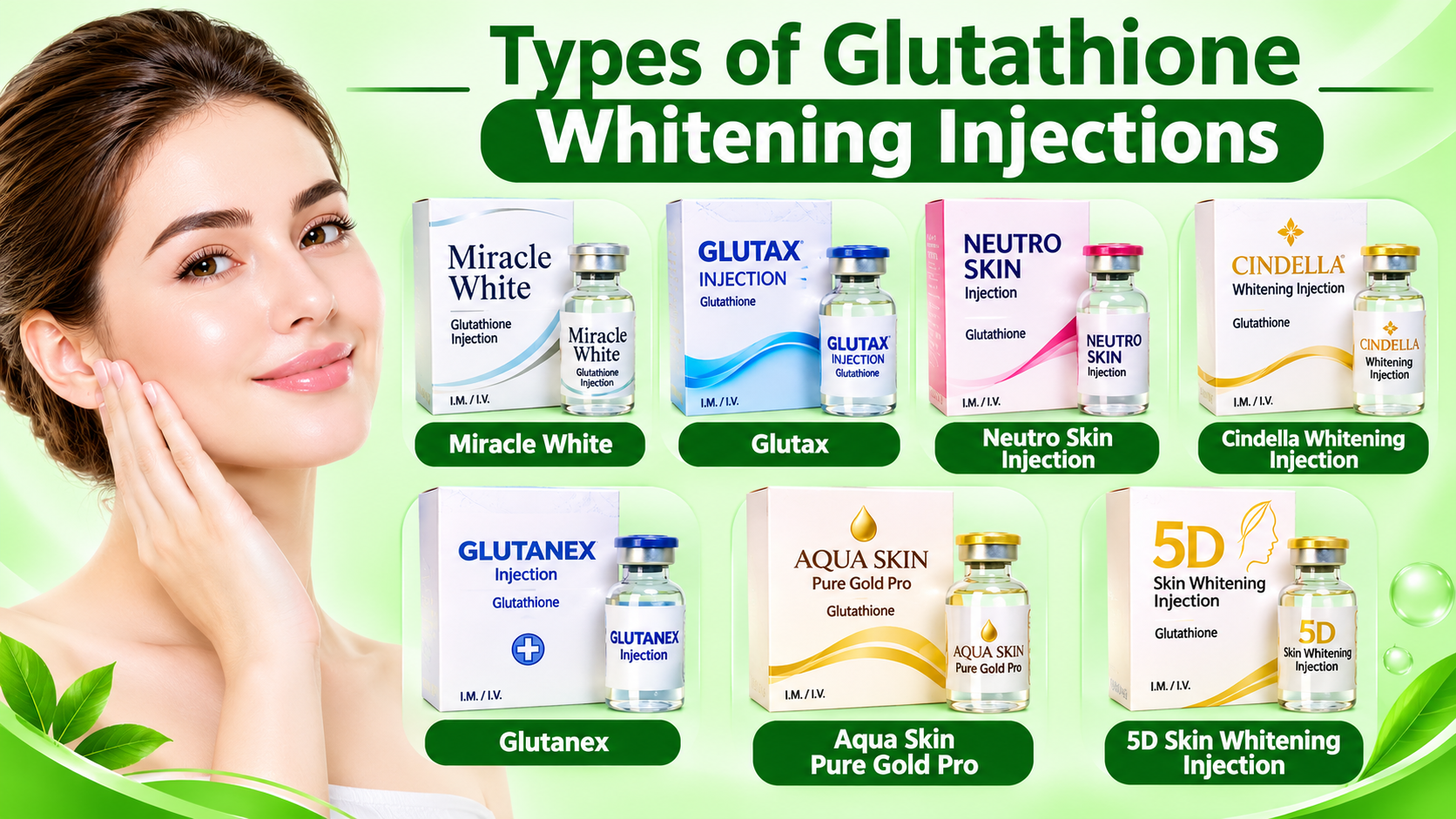
Whitening Injection: Benefits, Ingredients, Side Effects, and Price in Pakistan

Introduction
Skin appearance is influenced by several factors, including genetics, environmental exposure, aging, hormonal changes, and skincare habits. Many people experience uneven skin tone, dark spots, pigmentation, and dullness, leading them to explore cosmetic treatments that may help improve their complexion.
One treatment that has received considerable attention in the aesthetic industry is the whitening injection. These products are commonly associated with glutathione, an antioxidant naturally produced by the body. They are marketed for skin brightening, pigmentation management, and complexion improvement.
Whitening injections are also discussed in Pakistan's cosmetic and dermatological market, where individuals increasingly seek professional solutions for skin-related concerns.
However, popularity does not necessarily mean that a treatment is scientifically proven. Injectable glutathione has limited clinical evidence for cosmetic skin whitening, and its long-term safety for this purpose remains uncertain.
This guide explains whitening injections in detail, including their ingredients, proposed mechanism, potential benefits, medical considerations, side effects, alternatives, and cost factors. It also explains how professional consultation at Dot Clinics can help individuals understand their available skin treatment options.
What Is a Whitening Injection?
A whitening injection is an injectable formulation marketed to improve skin brightness and reduce the appearance of uneven pigmentation.
Glutathione is one of the most commonly advertised ingredients in these formulations. It is a naturally occurring antioxidant composed of three amino acids:
-
Glutamic acid.
-
Cysteine.
-
Glycine.
Glutathione is important for several biological functions, including antioxidant protection, cellular health, and normal metabolic processes.
In cosmetic research, glutathione has attracted interest because of its potential influence on melanin production.
Melanin is the natural pigment responsible for skin color. Its production and distribution determine an individual's natural complexion.
Some research suggests that glutathione may influence certain pathways involved in pigmentation. Nevertheless, there is insufficient evidence to establish injectable glutathione as a reliable, permanent skin-whitening treatment.
Why Are Whitening Injections Popular?
Interest in whitening injections has increased because people are exposed to numerous cosmetic advertisements, skincare trends, and aesthetic treatment options.
Several factors contribute to their popularity.
Interest in Brighter Skin
Many individuals seek a more radiant-looking complexion and want to address dullness or uneven skin tone.
Concerns About Pigmentation
Dark spots, sun damage, acne marks, and melasma can affect skin appearance. People often investigate different treatments to manage these conditions.
Popularity of Glutathione
Glutathione is frequently promoted in the beauty industry because of its antioxidant properties and proposed relationship with melanin production.
Availability of Cosmetic Treatments
The growing availability of aesthetic clinics and skincare services has increased public awareness of cosmetic procedures.
Despite this popularity, individuals should evaluate scientific evidence and safety information before choosing an injectable product.
How Do Whitening Injections Work?
The proposed skin-brightening mechanism of glutathione involves its possible influence on melanin production and antioxidant activity.
Understanding these processes helps explain why glutathione is used in cosmetic research.
1. Influence on Melanin Synthesis
Melanin is produced by specialised skin cells known as melanocytes.
An enzyme called tyrosinase plays an important role in the production of melanin.
Laboratory studies suggest that glutathione may influence tyrosinase activity and other pigmentation pathways.
However, the clinical significance of these mechanisms following injectable administration is not fully established.
2. Antioxidant Protection
Glutathione helps neutralise free radicals and protect cells against oxidative stress.
Oxidative stress can contribute to cellular damage and may influence certain skin-related processes.
Although antioxidant protection is an established function of glutathione, it does not prove that injectable glutathione produces visible skin-whitening results.
3. Possible Influence on Melanin Types
Research has also investigated whether glutathione influences the balance between two major forms of melanin:
-
Eumelanin, associated with brown and black pigmentation.
-
Pheomelanin, associated with yellow and reddish pigmentation.
These proposed mechanisms are still insufficient to establish predictable cosmetic outcomes.
Main Ingredients Found in Whitening Injections
Whitening injection formulations vary between manufacturers. Some contain a single primary ingredient, while others include combinations of vitamins and antioxidants.
Glutathione
Glutathione is the main advertised ingredient in many skin-whitening injection products.
It supports natural antioxidant functions and has been studied for its potential influence on pigmentation.
However, injectable administration for cosmetic whitening remains insufficiently supported by clinical evidence.
Vitamin C
Vitamin C is an antioxidant that contributes to collagen production and normal skin function.
Some commercial formulations combine vitamin C with glutathione.
Additional Antioxidants
Certain formulations may include other vitamins or antioxidant compounds.
Their presence does not automatically establish improved results or greater safety.
Before considering any injectable product, patients should verify its complete ingredients, manufacturer, pharmaceutical quality, and intended administration route.
Potential Benefits of Whitening Injections
Whitening injections are marketed for several skin-related benefits. It is important to understand that these are proposed or advertised outcomes rather than guaranteed clinical results.
1. Skin Brightening
Improving skin brightness is one of the most common reasons people investigate whitening injections.
Some research has explored the pigmentation-related effects of glutathione, but consistent results from injectable administration have not been established.
2. More Even-Looking Complexion
Uneven skin tone may develop due to sun exposure, acne, inflammation, hormonal changes, or other conditions.
Appropriate dermatological treatments can help address the underlying causes.
3. Antioxidant Properties
Glutathione contributes to the body's natural antioxidant defence system.
Its antioxidant role is well recognised, although the cosmetic benefits of injecting it remain uncertain.
4. Pigmentation-Related Concerns
Individuals experiencing dark spots or post-inflammatory hyperpigmentation may benefit from a professional assessment.
A dermatologist can identify the pigmentation type and recommend suitable treatment options.
5. Individualised Skincare
A professional consultation can help develop a skincare plan based on individual skin concerns, sensitivity, and treatment goals.
Different Forms of Whitening Injection Products
Commercial whitening injection products are available in various formulations.
The main categories include:
Glutathione Formulations: Products primarily marketed for their glutathione content.
Glutathione and Vitamin C Combinations: Formulations containing both antioxidant ingredients.
Multi-Ingredient Products: Commercial products that combine glutathione with other vitamins or compounds.
The formulation and administration instructions must be verified for each individual product.
Patients should avoid relying on brand popularity, social media reviews, or marketing claims as proof of safety and effectiveness.
Whitening Injection Treatment: What to Expect
Before considering an injectable cosmetic treatment, an individual should undergo a proper medical assessment.
A responsible consultation involves several important stages.
Step 1: Understanding Skin Concerns
The healthcare professional discusses the patient's expectations and specific concerns, such as dullness, dark spots, uneven pigmentation, or melasma.
Step 2: Skin Assessment
The skin is examined to understand its condition and identify possible causes of pigmentation.
Step 3: Medical History Review
The patient's medical history, allergies, medications, and previous reactions to injectable treatments are reviewed.
Step 4: Discussion of Treatment Options
The healthcare professional explains whether an injectable treatment has a reasonable medical basis and discusses alternatives with better-established evidence.
Step 5: Product and Quality Assessment
If an injectable product is being considered, its manufacturer, ingredients, authenticity, storage conditions, expiry date, and intended route of administration must be checked.
Step 6: Professional Safety Measures
Any medically justified injectable procedure must be performed by an appropriately qualified professional in a suitable clinical setting with emergency arrangements.
Self-administration and treatment by unqualified beauty providers should be avoided.
How Many Whitening Injection Sessions Are Needed?
There is no established medical protocol specifying the number of whitening injection sessions required for cosmetic skin lightening.
Different commercial providers advertise different schedules, but these are not supported by sufficient evidence to be considered standard medical recommendations.
Patients should understand that:
-
More injections do not necessarily mean better results.
-
Repeated treatment can increase exposure to adverse reactions.
-
Individual results cannot be guaranteed.
-
Long-term cosmetic safety remains uncertain.
A healthcare professional should explain the limitations of treatment before any decision is made.
How Quickly Do Whitening Injections Show Results?
The time required to observe cosmetic changes after injectable glutathione has not been reliably established.
Some advertisements promise visible results after a particular number of sessions or weeks. Such claims should be approached cautiously.
Possible outcomes may vary depending on the individual's skin condition, pigmentation, product formulation, and other factors.
There is no scientifically established timeline for guaranteed skin whitening.
How Long Do Whitening Injection Results Last?
The duration of any cosmetic pigmentation changes associated with injectable glutathione is uncertain.
Skin appearance can change over time because of:
-
Ultraviolet radiation.
-
Hormonal fluctuations.
-
Genetic factors.
-
Skin inflammation.
-
Ageing.
-
Environmental exposure.
Even pigmentation improvements achieved through established dermatological treatments may require ongoing maintenance.
Daily sun protection and appropriate skincare are important for maintaining healthy skin.
Possible Side Effects of Whitening Injections
The safety of injectable glutathione for repeated cosmetic use has not been adequately established.
Possible complications include the following.
Allergic Reactions
Some individuals may experience an allergic reaction to an ingredient in an injectable formulation.
Severe reactions can require emergency medical attention.
Injection-Site Problems
Local complications may include pain, redness, swelling, bruising, and irritation.
Nausea and Dizziness
Nausea, dizziness, headaches, and general discomfort may occur following some injectable treatments.
Liver-Related Complications
There have been reports of liver enzyme abnormalities in discussions of intravenous glutathione safety.
More research is required to establish the frequency and long-term significance of these concerns.
Kidney-Related Concerns
The effects of repeated cosmetic intravenous glutathione use on kidney function remain insufficiently studied.
Infections
Unsterile equipment, contaminated products, or improper injection procedures can cause serious infections.
Contaminated Injectable Products
Product quality is a particularly important concern for injectable treatments.
In August 2026, the US Food and Drug Administration issued a safety communication regarding adverse events associated with certain compounded intravenous glutathione products. This highlights the importance of appropriate pharmaceutical-grade ingredients and manufacturing controls.
Unknown Long-Term Effects
There is not enough high-quality research to establish the long-term safety of repeated cosmetic glutathione injections.
Patients should understand these uncertainties before considering treatment.
Who Should Avoid Whitening Injections?
Injectable cosmetic products may not be appropriate for everyone.
People who require particular medical attention include:
-
Individuals with known allergies to the formulation.
-
People with significant kidney or liver disease.
-
Individuals with a history of severe allergic reactions.
-
Pregnant or breastfeeding individuals.
-
People taking medicines that may interact with the product.
-
Individuals with active infections or other relevant medical conditions.
A qualified healthcare professional should determine whether any injectable intervention is appropriate.
Whitening Injection vs Glutathione IV Drip
Both whitening injections and glutathione IV drips are marketed in the cosmetic industry.
However, the two approaches may involve different formulations and administration methods.
Whitening Injection
An injection uses a syringe to administer a product through its specified route.
Glutathione IV Drip
An IV drip delivers a liquid formulation directly into a vein over a period of time.
Which Treatment Is More Effective?
Neither method has sufficiently strong clinical evidence to establish reliable cosmetic skin whitening.
Their potential risks also differ according to formulation and administration.
Neither should be considered a guaranteed or permanent skin-whitening solution.
Alternative Treatments for Skin Brightening
Individuals interested in a brighter and more even complexion may have several other treatment options.
The appropriate choice depends on the underlying skin condition.
1. Topical Brightening Products
Dermatologists may recommend products containing:
-
Niacinamide.
-
Vitamin C.
-
Azelaic acid.
-
Retinoids.
-
Hydroquinone, where medically appropriate.
These ingredients can help manage specific pigmentation concerns when used correctly.
2. Chemical Peels
Chemical peels involve applying selected chemical solutions to exfoliate the skin.
They may help improve certain types of superficial pigmentation and uneven skin texture.
3. Laser Treatments
Specific laser technologies may be used to treat selected pigmentation conditions.
Treatment settings must be carefully chosen, particularly for darker skin types, because inappropriate procedures can cause additional pigmentation.
4. Melasma Management
Melasma may require a combination of topical treatments, sun protection, and selected dermatological procedures.
It is important to identify the cause and severity of the condition before starting treatment.
5. Professional Skincare
A personalised skincare programme may include moisturisers, gentle cleansers, topical antioxidants, and dermatologist-recommended pigmentation treatments.
Tips for Maintaining an Even Skin Tone
Healthy skincare habits can help prevent additional pigmentation and support overall skin appearance.
Daily Sunscreen: Use broad-spectrum sunscreen with SPF 30 or higher and reapply according to its instructions.
Gentle Cleansing: Avoid harsh products that can irritate the skin.
Regular Moisturising: Maintain the skin barrier with a suitable moisturiser.
Avoid Unverified Products: Do not use injections or whitening creams with unknown ingredients.
Professional Assessment: Seek dermatological advice for persistent pigmentation or changing skin lesions.
Healthy Lifestyle: Maintain a balanced diet, adequate sleep, and sufficient hydration.
Whitening Injection Price in Pakistan
The price of whitening injections in Pakistan depends on several factors, and there is no universal rate for all products.
Important pricing considerations include:
-
Product formulation.
-
Manufacturer and authenticity.
-
Pharmaceutical quality.
-
Consultation charges.
-
Clinical administration requirements.
-
Medical monitoring.
-
Additional dermatological services.
Patients should be cautious of unusually inexpensive products and avoid making decisions based solely on advertised prices.
A responsible clinic should provide clear information about available services, product quality, medical limitations, and potential risks.
For information about skin and aesthetic services, individuals can contact Dot Clinics in Lahore and Multan.
Why Consider Dot Clinics for Skin and Aesthetic Consultation?
Dot Clinics offers skin and aesthetic services in Lahore and Multan, Pakistan.
People experiencing pigmentation, uneven skin tone, dullness, and other skin concerns can seek professional information about available treatment options.
A suitable treatment plan should be based on an assessment of individual skin needs rather than a standard cosmetic package.
Professional consultation should address:
-
Skin condition and pigmentation.
-
Medical history and allergies.
-
Appropriate treatment alternatives.
-
Potential complications.
-
Expected treatment outcomes.
-
Skincare and sun-protection recommendations.
The priority should always be informed decision-making, patient safety, and healthy skin.
Frequently Asked Questions About Whitening Injection
1. What is a whitening injection?
A whitening injection is an injectable cosmetic product marketed for skin brightening and pigmentation reduction. Glutathione is a commonly advertised ingredient.
2. What is glutathione?
Glutathione is a naturally occurring antioxidant that helps protect cells against oxidative stress and supports normal biological functions.
3. Can whitening injections make skin fairer?
Some products are marketed for this purpose, but clinical evidence does not establish injectable glutathione as a reliable skin-whitening treatment.
4. Are whitening injections permanent?
No reliable evidence demonstrates that injectable glutathione permanently changes natural skin colour.
5. How many injections are required?
There is no scientifically established number of injections for cosmetic skin whitening.
6. What ingredients are found in whitening injections?
Many formulations contain glutathione. Some also contain vitamin C and other antioxidant compounds.
7. Are whitening injections safe?
They are not risk-free. Potential complications include allergic reactions, injection-site problems, contamination-related infections, and other serious adverse effects.
8. Can whitening injections treat melasma?
Injectable glutathione has not been established as a reliable treatment for melasma. Dermatologists generally recommend treatments based on the type and severity of pigmentation.
9. What is the difference between whitening injections and IV drips?
The main differences involve the formulation and route of administration. An IV drip delivers liquid directly into a vein, whereas an injection follows its specified administration route.
10. Can vitamin C improve skin brightness?
Vitamin C is an antioxidant used in skincare formulations and may help improve certain aspects of skin appearance. Its effectiveness depends on the formulation and method of use.
11. Can sunscreen help prevent pigmentation?
Yes. Broad-spectrum sunscreen helps protect against ultraviolet radiation, which can worsen pigmentation and contribute to uneven skin tone.
12. What determines the price of whitening injections in Pakistan?
Product quality, formulation, manufacturer, consultation, and clinical services can all influence the quoted price.
13. Where can I get skin treatment consultation in Pakistan?
Dot Clinics has locations in Lahore and Multan, Pakistan. Individuals can contact the clinic to learn about available skin and aesthetic services.
Conclusion
Whitening injections have become a popular subject in cosmetic skincare because of their association with glutathione and its antioxidant properties.
Many individuals explore these products in the hope of improving their complexion, addressing pigmentation, and achieving brighter-looking skin.
However, scientific research has not established injectable glutathione as a consistently effective or permanent skin-whitening treatment. Its long-term safety for repeated cosmetic administration also remains uncertain.
Before considering any injectable procedure, individuals should seek qualified medical advice, verify product quality, and understand all available alternatives.
Dot Clinics in Lahore and Multan, Pakistan, provides access to skin and aesthetic services for individuals interested in professional guidance about their skin concerns.
The most responsible approach to cosmetic skincare is to prioritize skin health, realistic expectations, and evidence-based treatment decisions.


