

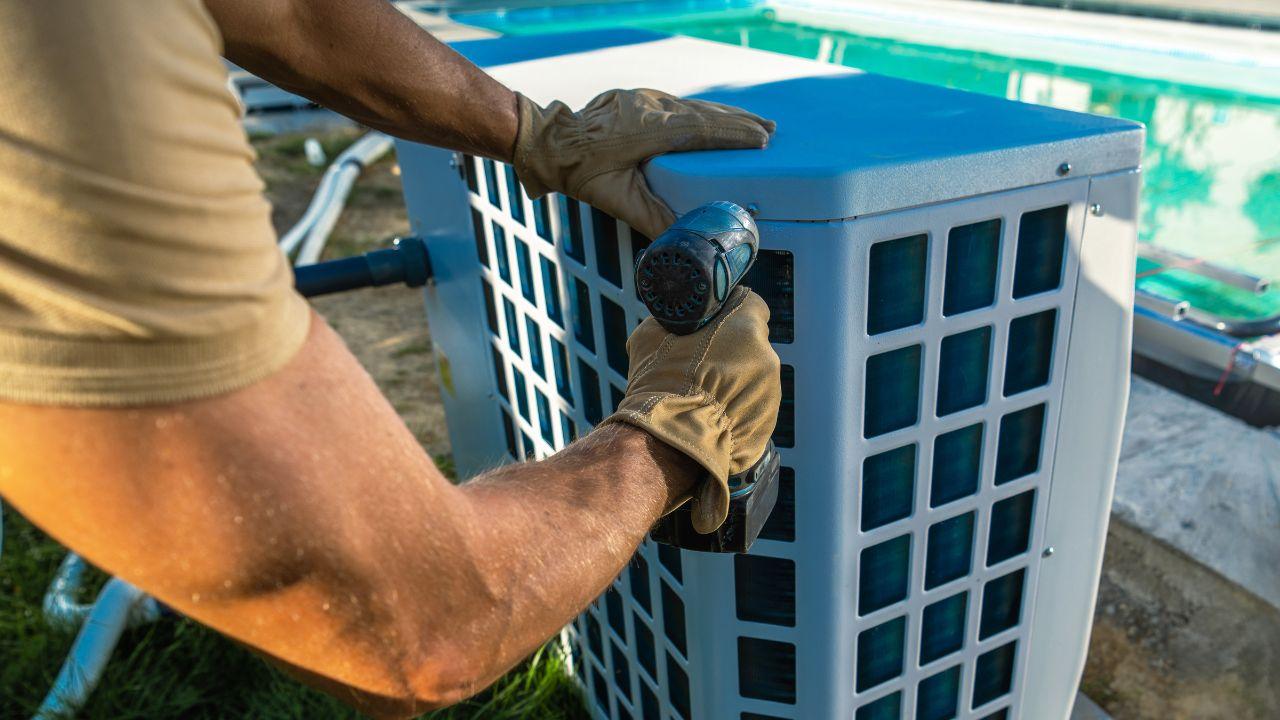

Pool automation systems have become increasingly common in Singapore homes and condominiums, allowing owners to monitor and adjust pump schedules, chemical dosing, lighting, and sometimes even water temperature through a smartphone app or central control panel. While these systems add genuine convenience, they also introduce an additional layer of technology that can develop its own set of faults, separate from the mechanical equipment they control. Understanding how to approach repair and upgrade decisions for these systems helps owners avoid unnecessary frustration when something stops working as expected.
What Automation Systems Typically Control
A typical pool automation setup can manage pump run schedules, automated chemical dosing based on sensor readings, lighting schedules, and in more advanced installations, heating and water feature controls. The system relies on a combination of sensors, a central controller, and often a connected app or web interface, meaning a fault could originate from any of these components rather than a single obvious source.
Common Automation Faults
A frequent complaint involves the app or control interface losing connection to the system, which can stem from home network issues, a controller firmware problem, or occasionally a failing Wi-Fi module within the control unit itself. Sensor drift, where a chemical or temperature sensor gradually provides less accurate readings over time, is another common issue that can lead to incorrect automated dosing if not recalibrated periodically.
Distinguishing Software Issues From Hardware Faults
One of the trickier aspects of troubleshooting automation systems is determining whether an issue is a software glitch, often resolvable with a restart or firmware update, or a genuine hardware fault requiring component replacement. A system that behaves inconsistently, working correctly after a restart but then developing the same issue again within days, often points toward a hardware problem rather than a simple software bug.
When Repair Makes Sense
For automation systems that are relatively new and otherwise functioning well, isolated faults such as a single failed sensor or a loose connection are usually straightforward and cost-effective to repair. Keeping the existing system's central controller and simply replacing a faulty peripheral component is generally preferable when the core system remains compatible with current software and sensor standards.
When an Upgrade Makes More Sense
Older automation systems, particularly those using discontinued software platforms or proprietary sensors that are no longer manufactured, can reach a point where repair becomes impractical simply because replacement parts are difficult to source. In these cases, upgrading to a newer automation platform, even though it involves a larger upfront cost, often resolves the issue more durably than attempting to keep an outdated system running with increasingly scarce parts.
Balancing Convenience Against Complexity
While automation adds convenience, it is worth recognising that more complex systems introduce more potential points of failure compared to a simpler, manually operated setup. Homeowners who value convenience highly may find the trade-off well worthwhile, while those who prefer simplicity might reasonably choose a more basic system with fewer automated features and correspondingly fewer things that can go wrong.
Getting the Right Technical Support
Automation faults benefit from a technician who understands both the mechanical pool equipment being controlled and the electronic or software side of the automation system itself. Seeking swimming pool equipment repair from a provider experienced with these integrated systems generally leads to a more accurate diagnosis than relying solely on general IT troubleshooting or basic pool mechanical knowledge alone.
Backing Up Settings Before Major Changes
Before any significant repair or upgrade work on an automation system, it is worth asking the technician to back up or document the current dosing schedules, pump run times, and any custom settings that have been configured over time. Losing these settings during a repair or software update can mean starting configuration from scratch, which is a frustrating and avoidable inconvenience if a backup had been taken beforehand. Homeowners who have fine-tuned their automation settings over months or years to suit their specific pool's needs will particularly appreciate not having to rediscover those settings through trial and error after a system change.
For properties considering automation for the first time, it is worth starting with a more modest system covering the core functions, such as pump scheduling and basic dosing, before expanding into more elaborate features like integrated lighting or water feature control. This phased approach allows homeowners to become comfortable with the technology and assess its reliability before committing further investment into a more comprehensive automated setup.
Conclusion
Pool automation systems offer genuine convenience but introduce their own category of potential faults that differ from traditional mechanical equipment issues. Understanding the difference between a software glitch and a hardware fault, and recognising when an ageing system is better replaced than repeatedly repaired, helps homeowners make sensible decisions as their automated pool setup ages.


