

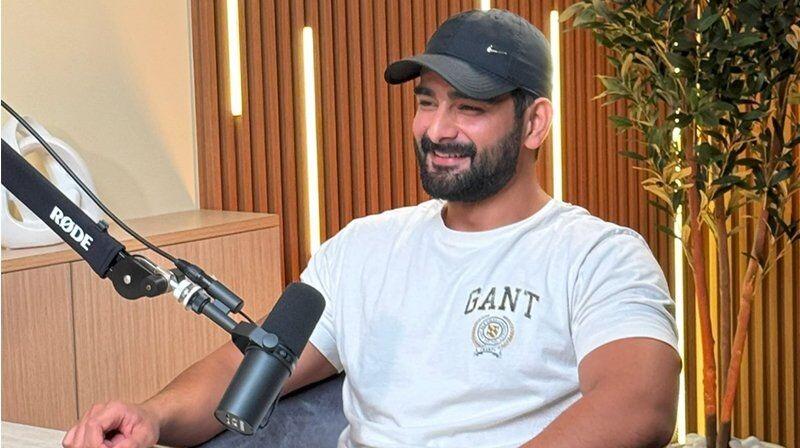
Podcast Production Studios in the UAE: A Guide to Choosing the Right Fit

A room with microphones is not the same thing as a production partner. Podcast production studios range from rent-by-the-hour rooms to teams that handle strategy, recording, editing, and distribution, and picking the wrong type can cost you months. This guide explains the differences and how to choose one that fits your budget.
Rental-Only, Full-Service and Hybrid
Podcast production studios fall into three broad groups. Rental-only studios give you a room, equipment, and sometimes an operator, and you handle everything else. Full-service companies cover the whole chain. Several Dubai providers advertise everything from concept development and format design to editing, publishing, and marketing. Hybrids sit in between: you book the room, then add editing or clip creation as separate line items.
Who should choose what? A company launching its first branded show, with no audio staff, usually gets more from full-service support. A creator who already edits and publishes gains little from paying for strategy and does better with a rental-only room. Hybrid suits the middle ground, such as a founder who can host well but has no time for post-production.
Ask to see proof of experience. A sample episode, a client list, or a short case study shows how a team handles real shows, not just pitches. If your audience speaks Arabic or switches between languages, confirm that the producers and editors can follow both. Some studios also offer interviewer support during filming, which helps first-time guests relax and keeps new hosts on track.
What Happens at Each Stage
Knowing the workflow makes quotes easier to read. A complete production usually runs through four stages:
-
Pre-production: format, episode outline, guest brief, and a run sheet for the session.
-
Recording: an audio engineer sets levels and monitors sound while cameras capture video if needed.
-
Post-production: editing, mastering, subtitles, and short clips for social media.
-
Distribution: hosting the show through an RSS feed and submitting it to platforms such as Apple Podcasts, Spotify, and Anghami.
Ask each provider which stages are included and which are extras. The most common surprise is distribution. Many studios hand over finished files and stop there, which is fine if you know how to publish and frustrating if you don't. Multi-camera video adds another decision, since a second and third camera angle cost more in both filming and editing time.
Turnaround differs by provider and by format. One full-service Dubai producer quotes two to seven days per episode depending on editing requirements, and a Media City studio quotes a week for a one-hour episode. Build that lag into your release calendar so you don't promise a Monday launch you can't deliver.
Keeping Costs Down Without Cutting Corners
An affordable podcast studio in Dubai doesn't have to be the cheapest hourly rate. It is the one that leads to the fewest reshoots and the least rework. Typical professional rooms with an operator charge AED 300 to AED 450 per hour, according to Booqit's 2026 guide, so wasted minutes add up quickly. At AED 450 an hour, 20 minutes of retakes costs about AED 150.
Four practical moves reduce spend:
• Record two to four episodes in one session when guest availability allows.
• Send guests a written brief and an outline before they arrive.
• Choose audio-first if video isn't part of your distribution plan.
• Buy a bundle of hours if you know you will record regularly.
Keep the edit simple at first, too. A clean intro, level balancing and noise reduction serve listeners better than an elaborate sound design you can't sustain every week.
Watch the package trap. A ten-hour bundle looks generous until you realise you only record two hours a month. Choose a package by your realistic cadence, and buy more time only once you have used what you already paid for.
Questions to Ask Before You Book
Visit if you can. A room tour tells you more than a brochure. Whether you want an podcast studio in Dubai or a premium suite, ask for specifics: which microphones and cameras are used, how the room is soundproofed, and whether an engineer stays for the whole session. Gulf Podcast Studios, for example, lists soundproof rooms, 4K cameras, LED lighting and mixers on its site, which gives you concrete items to verify during a visit.
Then look at delivery. Raw files arrive the same day at some studios and take up to two weeks at others, depending on how you collect them. Confirm the revision policy, the storage period and who owns the recordings. Finally, ask about rebooking. If your first session goes well, you want the same room and the same engineer next time.
Conclusion
Choose rental-only if you can edit and publish yourself, and full-service if you can't. Either way, plan your sessions, bring a clear outline, and compare quotes on cost per finished episode. An affordable podcast studio in Dubai is one that gives you clean audio and a workflow you can repeat. If you are still deciding which model suits you, Gulf Podcast Studios is happy to walk through the options.
FAQs
1. What is the difference between a podcast studio and a production company?
A studio mainly provides the room and equipment. A production company also handles planning, editing, and distribution, and often charges for those services.
2. How many episodes should I record in one session?
Two to four is realistic for many shows, depending on guest availability. Longer sessions tire hosts and reduce quality.
3. Do I need video for my podcast?
Not necessarily. Video helps discovery on YouTube, but an audio-first approach costs less and may suit your audience.
4. Who owns the recordings?
Usually you do, but confirm this in writing, along with how long the studio stores your files.
5. How long does full production take?
Plan on several days per episode for editing, plus extra time for launch planning if the studio builds your show from scratch.


