

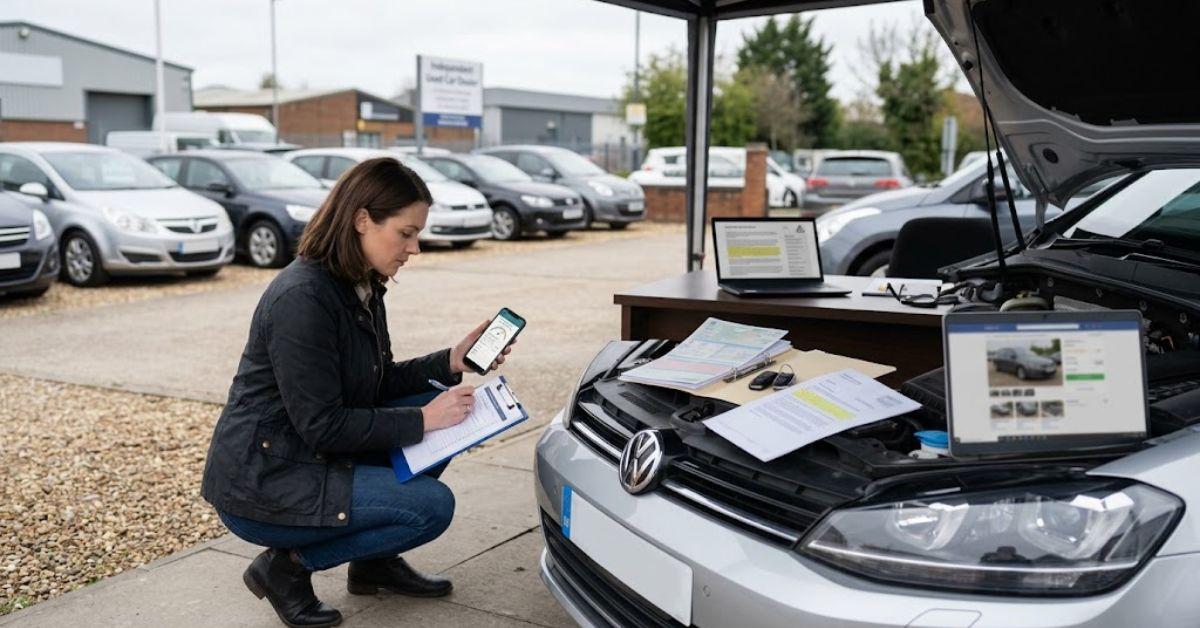

Buying a used car can be a great way to get more value for your money, but a convincing advert does not always mean you're looking at a genuine deal. Scammers can alter mileage, clone vehicle identities, hide outstanding finance, disguise serious damage or create fake listings designed to take your money.
If you want the reassurance of dealing with a more established seller, visiting a reputable used car showroom can also give you an opportunity to inspect vehicles in person and ask questions before making a decision.
Whether you're buying privately or from a dealer, the safest approach is to look beyond the advert and carry out several checks. Review the vehicle's history, verify its paperwork and identity, inspect its condition, confirm the seller's details and only then consider making payment.
Common Used Car Scams in the UK
Mileage clocking
Clocking involves altering a vehicle's mileage to make it appear newer or less used than it really is. A low number on the dashboard should never be accepted without checking the car's history.
Use the free GOV.UK MOT history service to compare recorded mileage at previous tests. Look for unexplained drops, unusual gaps or figures that do not fit the service history.
Car cloning
A cloned car is given the identity of another legitimate vehicle, often using copied registration details or a manipulated VIN. This can make a stolen vehicle appear genuine.
Compare the registration, VIN, make, model, colour and other identifying details with the V5C and official DVLA information. If anything does not match, stop the purchase until the discrepancy is explained.
Outstanding finance
A private seller may advertise a car that is still subject to finance. This can create serious problems for the buyer if the finance company still has an interest in the vehicle.
A paid vehicle history check can identify recorded finance, theft and write-off information. If finance is showing, ask for satisfactory evidence that it has been settled before proceeding.
Fake listings and deposit scams
Fraudsters can copy genuine photographs and create attractive adverts at competitive prices. The seller may then claim that several people are interested and ask you to send a deposit before viewing.
Never let urgency replace due diligence. If you cannot see the car, verify the seller and complete your checks, do not send money simply to “secure” the vehicle.
Fake documents and hidden damage
Fraudulent V5C documents, altered service records and undisclosed accident damage can make a problematic car appear more desirable.
GOV.UK recommends checking the V5C, including its watermark and serial number, and making sure the vehicle identification and engine numbers match the document.
Warning Signs You Shouldn't Ignore
A single unusual detail does not necessarily prove fraud, but several together should make you reconsider the deal.
Be particularly cautious when:
-
The price is significantly below similar cars.
-
The seller refuses to provide the registration number.
-
You are pressured to make a quick deposit.
-
The seller will not let you inspect the car properly.
-
The viewing is only offered at a neutral location.
-
The seller's details do not correspond with the paperwork.
-
The VIN does not match the V5C.
-
The mileage conflicts with MOT or service records.
-
The car has an unexplained accident or repair history.
-
You are asked to pay before seeing the vehicle.
A genuine bargain can exist, but a bargain combined with secrecy and pressure deserves careful investigation.
How to Check a Used Car Before Paying
1. Check the registration
Ask for the registration number before arranging a viewing. Use official DVLA information to confirm basic details such as the vehicle's make, model, engine size, tax status and SORN information.
2. Review the MOT history
Check previous MOT results and recorded mileage. Look for inconsistencies, repeated serious advisories and unexplained gaps. GOV.UK provides this information using the vehicle's registration number.
3. Run a vehicle history check
Consider a reputable history check for outstanding finance, theft records, previous write-offs and mileage concerns. This is particularly important when buying privately.
4. Inspect the V5C
Ask to see the original V5C and compare its details with the car and seller. Do not assume that possessing a V5C automatically proves ownership; it is a vehicle registration document.
5. Verify the VIN
Check the VIN on the vehicle against the V5C and other available records. GOV.UK specifically recommends checking the vehicle identification and engine numbers before buying.
6. View and test the car properly
Inspect the vehicle in daylight and look for mismatched paint, uneven panel gaps, unusual welding, damaged trim or wear that seems inconsistent with the claimed mileage.
Take a test drive if you are properly insured. An independent inspection can also be worthwhile for a higher-value vehicle. Citizens Advice recommends viewing a used car in daylight, checking its history and taking a test drive before buying.
How to Pay Safely
Do not make payment simply because a seller says another buyer is waiting.
Avoid sending deposits for unseen vehicles and be extremely cautious about unusual payment requests, including cryptocurrency, gift cards or payments to unrelated third parties.
Before completing the transaction, make sure you know exactly who you are paying and retain the advert, messages, receipt and vehicle details.
If you are buying from a trader, remember that consumer protection can be stronger than in a private sale. Citizens Advice notes that used-car buyers can have legal rights when something is wrong with a vehicle, although the position depends on who sold it and the circumstances.
Used Car Scam Prevention Checklist
Before handing over your money, make sure you have:
-
Checked the registration and DVLA details
-
Reviewed the MOT history
-
Checked for outstanding finance and previous damage
-
Verified the VIN and V5C
-
Confirmed the seller's identity and address
-
Inspected the car in daylight
-
Taken a proper test drive
-
Considered an independent inspection
-
Agreed the final price in writing
-
Kept evidence of the transaction
Most importantly, do not allow a seller's urgency to become your urgency. If something does not add up, walk away. There will always be another used car, but recovering money from a fraudulent sale can be far harder.


