 English
 Arabic
 Français
 Spanish
 Portuguese
 Deutsch
 Turkish
 Dutch
Dutch
 Italiano
 Russian
 Romaian
 Portuguese (Brazil)
 Greek
Greek
 Réunionnais
 India
India
 Entreprises locales
 Runsound music
 La silver économie
 Affiliation Matrice 3x9
 Récompenses
 Babarun (BBRN)
 Calculez vos calories
 Collab Influenceurs
 Événementiels
 Procaly
 Affiliation
 Prêts Immobiliers

How Residential Property Development Creates Long-Term Value
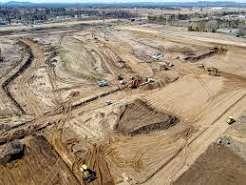
Residential property development is more than the process of building houses on a piece of land. When planned carefully, it can create lasting value for property owners, investors, residents and the wider community. From selecting the right location to designing practical homes and developing supporting infrastructure, every decision can influence the long-term success of a residential project.
Unlike short-term property improvements that may deliver immediate returns, residential development focuses on creating assets that can remain valuable for many years. A well-designed development can respond to changing housing needs, improve an underutilised area and generate sustainable financial returns.
But what exactly makes residential property development a long-term value creator? Let's explore the key factors.
1. Turning Underutilised Land into a Valuable Asset
One of the most significant advantages of residential property development is the ability to unlock the potential of underutilised land.
Vacant blocks, large parcels of land or properties with redevelopment potential may have limited value in their existing condition. Through thoughtful planning and development, these sites can be transformed into residential communities that meet genuine market demand.
The value comes from more than simply constructing buildings. Developers can improve access, introduce infrastructure, create functional layouts and establish homes that are suited to the surrounding area.
As a result, land that previously generated little economic or community value can become a productive long-term asset.
2. Location Plays a Major Role in Long-Term Value
A property's location is one of the strongest influences on its long-term appeal.
Successful residential developments are generally positioned in areas with access to essential amenities, transport connections, employment opportunities, schools, shopping facilities, recreation and other community services.
However, developers need to look beyond what a location offers today. Understanding how an area could evolve over the next five, ten or twenty years can help identify opportunities with stronger long-term potential.
Planned infrastructure improvements, population growth, new employment areas and expanding amenities can all contribute to future demand.
This is why detailed location research should be an important part of the development process before significant investment is made.
3. Meeting Changing Housing Demand
Housing needs are constantly evolving. Families, first-home buyers, downsizers, professionals and investors may all have different expectations when choosing a property.
Residential property development creates long-term value when it responds to these changing needs rather than simply following short-term trends.
For example, buyers may increasingly look for flexible living spaces, low-maintenance homes, energy-efficient features, outdoor areas or convenient access to local facilities.
Developers who understand their target market can create properties that remain useful and desirable as lifestyles change.
A development designed around genuine demand is more likely to maintain occupancy, attract buyers and retain its value over time.
4. Quality Design Supports Lasting Property Value
Good design is not simply about making a development look attractive. It is about creating spaces that are functional, comfortable and practical for everyday living.
Thoughtful site planning can improve privacy, natural light, accessibility, outdoor space and movement throughout a development. Well-positioned homes and carefully planned streets can also create a stronger sense of community.
Quality materials and construction can further contribute to durability. While cutting costs during construction may appear attractive initially, poor-quality work can result in higher maintenance costs and reduced buyer confidence later.
Investing in quality from the beginning can therefore support the property's long-term performance.
5. Infrastructure Can Increase the Value of a Development
Infrastructure is an essential part of successful residential development.
Roads, drainage, utilities, pedestrian pathways, landscaping and other supporting infrastructure help turn a collection of individual properties into a functional community.
Well-planned infrastructure can also improve accessibility and the overall experience of residents.
For larger developments, infrastructure planning becomes even more important because it needs to support both current requirements and future growth.
When infrastructure is properly integrated into the development, it can contribute significantly to the usability, attractiveness and long-term value of the project.
6. Creating Stronger and More Liveable Communities
Long-term value isn't measured only by property prices. A successful residential development can also create social and community value.
Developments that provide attractive public spaces, green areas, pedestrian-friendly environments and opportunities for residents to interact can become more desirable places to live.
A strong community can contribute to lower vacancy rates, greater resident satisfaction and stronger demand for properties.
This creates a positive cycle: better places attract more residents, sustained demand supports property values, and established communities become increasingly attractive to future buyers.
7. Sustainability Can Protect Future Value
Sustainability has become an increasingly important consideration in residential property development.
Energy-efficient homes, responsible water management, appropriate landscaping and environmentally conscious materials can help reduce the ongoing costs associated with operating a property.
Sustainable design can also make properties more appealing to buyers who are increasingly conscious of energy consumption and environmental impact.
Developers should therefore consider sustainability from the earliest stages of planning rather than treating it as an optional feature added at the end.
Features that improve efficiency and reduce resource consumption can provide benefits to both residents and property owners over the long term.
8. Planning for Future Growth
One of the biggest mistakes in property development is focusing entirely on the current market.
Markets change. Population patterns shift, infrastructure expands and buyer preferences evolve. A development that works today should ideally have the flexibility to remain relevant in the future.
This requires careful research into local planning policies, demographic trends, infrastructure projects and potential changes in demand.
Developers who plan with the future in mind can create projects that are better positioned to adapt to changing circumstances.
Long-term thinking can be particularly valuable when developing larger residential communities that may take several years to complete.
9. Adding Value through Professional Development Management
Residential development involves many moving parts, including site assessment, planning, approvals, design, construction, budgeting, infrastructure and marketing.
Poor coordination between these areas can lead to delays, unexpected expenses and compromised outcomes.
Professional development management helps ensure that decisions are made strategically throughout the project lifecycle.
From assessing the site's potential to coordinating consultants and monitoring progress, effective management can help control risks and protect the project's objectives.
The goal isn't simply to complete construction. It is to create a development that performs well after completion.
10. Building Value Beyond the Individual Property
A residential development can influence the value of surrounding properties as well.
Well-planned projects may improve local streetscapes, introduce better infrastructure, increase access to services and encourage further investment in the surrounding area.
As an area becomes more established, demand may increase for both new and existing properties.
This means the impact of a successful development can extend beyond the boundaries of the original project.
Developers who consider the broader neighbourhood context can create projects that integrate more effectively with their surroundings.
11. Financial Value Comes from Strategic Planning
Ultimately, residential property development needs to make financial sense.
A developer must consider land acquisition costs, planning expenses, construction costs, infrastructure, financing, professional fees, marketing and potential market changes.
Accurate feasibility analysis can help determine whether a project is financially viable before substantial resources are committed.
A strong development strategy focuses on creating the right balance between cost, quality, market demand and potential returns.
Maximizing short-term profit at the expense of quality or market suitability can undermine long-term value. Sustainable returns are generally supported by projects that deliver genuine value to the people who eventually live in them.
12. The Importance of Choosing the Right Development Strategy
Every site is different, so there is no single approach that works for every residential development.
The right strategy depends on factors such as location, land size, planning requirements, infrastructure, market demand and the developer's objectives.
A site may be suitable for detached homes, townhouses, apartments, a mixed residential community or another development format.
Conducting detailed research before choosing the development model can reduce unnecessary risk and improve the chances of achieving the desired outcome.
Conclusion
Residential property development creates long-term value by combining land, planning, design, infrastructure and market demand into a well-functioning residential environment.
The strongest developments don't focus solely on constructing properties and selling them. They consider how people will live in the area, how the neighborhood may evolve, and what will make the properties desirable years after completion.
From selecting the right location and understanding future housing demand to investing in quality, sustainability, and community infrastructure, every stage can influence long-term performance.
For developers and investors, the key is to think beyond the immediate project. The most valuable residential developments are those that create lasting benefits for residents while building sustainable financial and property value for the future.
