


Living in a dense urban environment requires a careful balancing act between personal space and community needs. When you walk down a narrow city street, every square metre matters. Pavements, parking spots, and small front gardens all contribute to the rhythm and flow of a neighbourhood. One of the most common disruptions to this delicate balance is the presence of an immobile, decaying car. While it may seem harmless to leave a non-running vehicle parked outside a home or taking up a precious driveway, the reality is that it quietly affects the daily lives of everyone living nearby.
People often keep older cars with the best of intentions. Perhaps it was a first car holding sentimental value, or a planned restoration project meant for the summer weekends. However, life gets busy, and these projects frequently stall. The car sits untouched through rain, wind, and heavy snowfalls. In places with harsh winters, a stationary vehicle becomes a significant logistical hurdle. Snow ploughs must carefully steer around the obstruction, often leaving large, icy drifts that block the road for other residents. Street cleaners cannot reach the curb, leading to a buildup of autumn leaves, litter, and road salt that slowly rots the asphalt beneath the tyres.
There is a distinct emotional weight attached to clutter, both for the vehicle owner and their neighbours. Walking past a rusting chassis every morning serves as a constant visual reminder of an unfinished task. For neighbours, it can become a subtle point of friction. Parking in urban centres is fiercely competitive, and seeing a prime spot permanently occupied by a car that hasn't started in months can cause quiet resentment. By acknowledging the spatial footprint of the vehicle, owners can begin to understand the wider impact it has on the community's overall wellbeing and aesthetic appeal.
Beyond the social and spatial concerns, immobile cars present tangible safety issues for a residential street. A car left unattended for long periods attracts unwanted attention. Windows can become targets for vandalism, and the sheltered spaces beneath the chassis often become nesting grounds for urban wildlife seeking warmth. Feral cats, racoons, and rodents frequently make their homes in the engine bays or interiors of neglected cars, which can lead to further pest issues for adjacent houses. Removing the vehicle completely eliminates this unnatural shelter and restores the cleanliness of the area, making the street safer for everyone.
The actual physical footprint of a saloon car or an estate is roughly ten to twelve square metres. That is an enormous amount of functional space effectively locked away. When that space is finally cleared, the transformation is immediate and profound. A cleared driveway can be used for active vehicles, reducing the pressure on street parking. It can be repurposed into a small garden, a space for children to play safely away from traffic, or simply left open to give the property a cleaner, more welcoming appearance. The relief that follows the removal of a long-standing obstruction is something many homeowners note immediately upon completion.
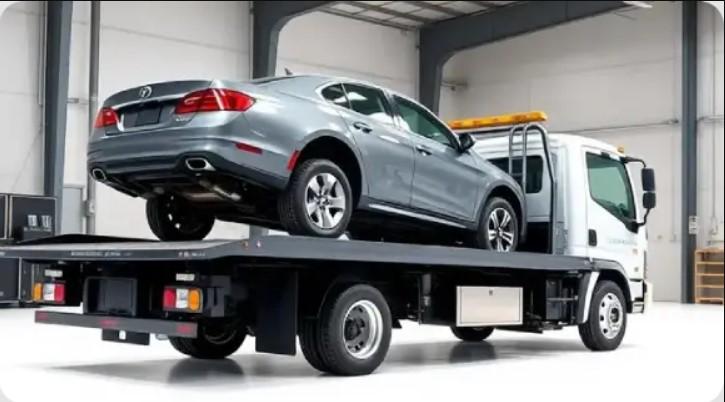
Taking action does not have to be a complicated or stressful ordeal. Modern services are entirely designed around the convenience of the resident. For instance, arranging for a proper Scrap Car Removal Montreal intervention takes only a few minutes but solves a problem that may have lingered for years. The tow trucks used today are equipped to carefully extract vehicles from tight urban alleys, sunken driveways, and awkward parallel parking spots without causing disruption to the surrounding traffic or property.
Making the choice to let go of an immobile car is an act of neighbourhood goodwill. It shows a commitment to the shared environment and a respect for the collective space that defines city living. It clears the physical obstructions that complicate daily commutes, street maintenance, and pedestrian movement. More importantly, it removes the mental burden of an unfinished project, allowing the owner to move forward with a clear, open space that benefits the entire street.
Ultimately, cities function best when space is used dynamically and purposefully. A vehicle designed for movement loses its purpose when it becomes a static fixture. By choosing to recycle the machine, you are returning those raw materials to active use while simultaneously returning a piece of your neighbourhood back to the community. It is a simple, thoughtful decision that yields immediate physical and psychological benefits for everyone on the street.
Conclusion
Freeing up driveway and street space transforms the aesthetic and functional quality of a dense residential area. Removing a decaying vehicle alleviates parking pressures, deters pests, and instantly provides you with a cleaner, more organised property.
Call to Action
Reclaim your valuable driveway space today and bring peace of mind to your neighbourhood by arranging a quick, professional vehicle collection.


