English
 Arabic
 Français
 Spanish
 Portuguese
 Deutsch
 Turkish
 Dutch
Dutch
 Italiano
 Russian
 Romaian
 Portuguese (Brazil)
 Greek
Greek
 Réunionnais
 India
India
Bioadhesives Market to Reach USD 15.95 Billion by 2032, Driven by Sustainability Demand and Medical Applications
Services de rencontres |
2026-07-02 11:44:33
 Entreprises locales
 Runsound music
 La silver économie
 Affiliation Matrice 3x9
 Récompenses
 Babarun (BBRN)
 Calculez vos calories
 Collab Influenceurs
 Événementiels
 Procaly
 Affiliation
 Prêts Immobiliers

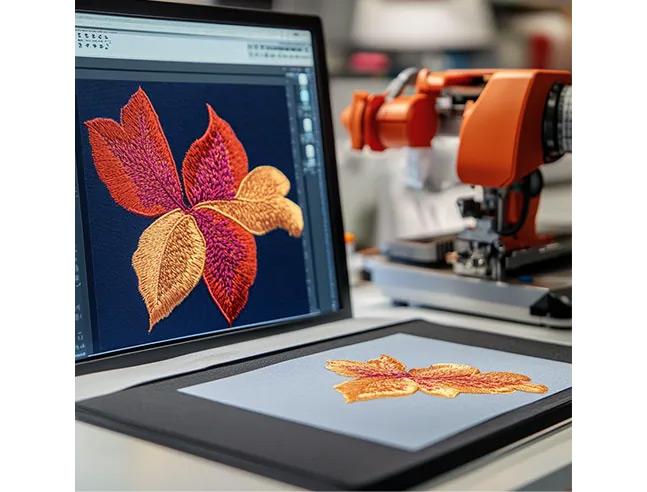
You have stitched enough monograms and corporate logos to last a lifetime. Your machine runs perfectly. Your hooping is spot on. But something feels missing. You want to create art, not just products. You want to make people stop and say, “Wait, you stitched that?” That is where creative Embroidery Digitizing Services come into the picture. Not the kind that traces a simple logo and sends you a file. I mean the kind that looks at your child’s crayon drawing, your favorite landscape photo, or that weird creature living in your sketchbook and turns it into a genuine piece of fabric art.
I still remember the first time I saw creative embroidery done right. A friend digitized a portrait of her old dog using over forty thread colors. The fur had texture. The eyes sparkled with life. The whole thing captured that goofy personality in a way no photograph ever could. That moment rewired my brain. Embroidery machines are not just for branding and monograms. They are tools for artistic expression, same as a paintbrush or a set of charcoal pencils.
This guide walks you through what creative digitizing actually means, how it differs from standard logo work, and how you can use these specialized services to make stitch artwork that stands out in a world full of predictable patches.
Standard logo digitizing follows a strict playbook. Keep it clean. Keep it simple. Use as few color changes as possible. Prioritize durability over beauty. Make the file stitch fast because time is money.
Creative digitizing throws that entire playbook out the window.
When I work on a creative piece, I deliberately break density limits to create texture. I use forty different thread colors to achieve subtle shading that looks like a watercolor wash. I overlap stitches at unusual angles to mimic actual brushstrokes. I layer translucent thread on top of opaque thread to build depth. A standard digitizer would look at my files and call them “bad practices.” A creative digitizer calls them “techniques.”
The file sizes tell the whole story. A standard corporate logo runs about ten thousand stitches. A creative portrait often exceeds sixty thousand stitches and sometimes hits one hundred fifty thousand. That means longer sew times, yes. But the results justify every extra minute.
Creative digitizing also demands a completely different mindset from the person doing the work. They need artistic training or at least a genuinely sharp visual eye. They need to understand light, shadow, color theory, and composition on an instinctive level. Not every digitizer can do this. You want someone who actively shows off creative samples on their website or social media, not just page after page of hats and polo shirts.
Let me walk you through the most exciting forms of creative embroidery. Each one opens a different door.
Thread painting sits at the top of the mountain. This technique uses very short, closely spaced stitches that change angle constantly to follow the contours of an image. Think of it like drawing with thread instead of a pencil. Thread painting works beautifully for animal fur, flower petals, human hair, tree bark, and landscape textures. The learning curve for digitizing thread painting is brutally steep, which is exactly why you hire a pro rather than suffering through it yourself.
Photo-realistic embroidery takes thread painting to the next level. The digitizer maps a photograph pixel by pixel into stitch commands. They choose thread colors that precisely match each area of the photo, then blend those colors with tiny zigzagging stitches that trick the eye. Up close, you see individual thread strokes like brush marks on a painting. Step back three feet, and the image snaps into focus like a photograph. I have seen photo-realistic sews of wedding portraits, pets, album covers, and even famous movie scenes that left me completely speechless.
3D embroidery uses foam underneath raised satin stitches. The foam lifts the stitches off the fabric, creating a puffy, tactile effect that begs to be touched. Creative digitizers push this technique much further. They carve the foam after stitching to create sharp edges. They use multiple foam layers to build sculptural shapes. A standard 3D logo looks like a puffy letter. A creative 3D design looks like a small sculpture permanently attached to your jacket.
Negative space embroidery plays with what you do not stitch. The digitizer leaves deliberate gaps in the thread coverage so the fabric shows through, forming part of the overall design. This technique works wonderfully for lace-like patterns, geometric art, minimalist line drawings, and text that seems to float on the garment. The challenge lies in stopping the fabric from puckering around those unstitched areas. It takes real skill.
Mixed media embroidery combines stitching with other craft techniques. You embroider a base design by machine, then add beads, sequins, small fabric appliqués, or even hand embroidery by hand. The digitizing service plans stitch paths that leave specific gaps or attachment points for these additions. Some advanced shops even digitize for machine-attached sequins or cording.
Working with a creative digitizing service follows a completely different workflow than standard jobs. Expect real conversations and back-and-forth collaboration, not just a file drop.
Start by sending your source material. This could be a photograph, a pencil sketch, a digital painting, a scan of a napkin doodle, or even just a detailed written description of an idea. The more visual references you provide, the better the final result will match your vision.
The digitizer then creates what I call an artistic interpretation rather than a direct trace. For example, if you send a watercolor painting of a sunset forest, they might simplify the thirty different orange and red shades down to eight well-chosen thread colors that capture the essence and emotion of the original. They decide which details to keep and which to abandon because thread simply cannot replicate every single brushstroke.
You will receive a digital mockup showing how the stitches will lay. But here is a warning. Unlike standard mockups, creative ones often include simulated thread shading and texture on screen. Ask for an actual test sew on fabric before you approve the final file. Creative designs behave unpredictably, and a screen mockup lies about how light plays across real thread under different angles.
Be prepared to pay more for creative work. A simple thread painting portrait runs sixty to one hundred fifty dollars. A complex photo-realistic piece with heavy shading and detail can cost two hundred to five hundred dollars or more. Yes, that sticker shock hurts. But remember that the digitizer may spend six to ten hours carefully hand-placing every single stitch. Compare that to a fifteen-minute logo job that costs fifteen dollars, and the creative pricing makes sense.
Creative embroidery deserves a creative home. Do not hide these pieces on the back of a boring hat or a plain tote bag.
Wall art stands as the most obvious choice. Hoop your finished embroidery like a canvas and hang it in your living room, studio, or office. I have seen stunning series where artists embroidered endangered animals, city skylines, abstract color fields, and even family tree portraits. These pieces start conversations immediately.
Fashion makes another powerful medium. A denim jacket with a photo-realistic portrait on the back turns heads everywhere you go. Sneakers with embroidered floral panels become wearable art you cannot buy in any store. Even a simple canvas tote bag transforms completely when you stitch an original illustration instead of a standard logo.
Gifts become unforgettable when you custom embroider something deeply personal. A portrait of someone’s pet who recently passed away. A recreation of their wedding bouquet in thread. A stitching of their grandmother’s handwriting. These pieces carry emotional weight that no store-bought gift can ever match.
Quilting circles increasingly embrace creative embroidery. Stitch a central medallion design for a show quilt, then build traditional piecing around it. The contrast between modern thread painting and classic fabric patterns feels fresh and exciting.
Not every digitizing service handles creative work, even when they claim to on their website. Look for specific evidence.
Check their portfolio for original artwork, not just converted customer logos. Do they show thread painting examples up close? Textured fills that mimic fur or water? Unusual stitch angles that create movement? Do they photograph their test sews on actual fabric and show those photos from different distances? If every image looks like a clean corporate logo on a polo shirt, they are not your creative partner.
Ask them directly about their artistic background. A good creative digitizer often comes from fine arts, illustration, graphic design, or textile design training. They might mention studying color theory or taking painting classes in college. Those skills transfer directly to thread.
Request a small creative test before committing to a large project. Offer to pay for a sample. A four-inch thread painting of a simple object like an apple, a leaf, or a single flower tells you everything you need to know. Does the digitizer capture light and shadow effectively? Do the stitches flow naturally or look mechanical? Does the test sew come out looking like art or a messy approximation?
Standard embroidery digitizing services absolutely serve a purpose. They handle your uniforms, your team hats, your promotional giveaways, your customer orders. Those jobs keep the lights on and pay the bills.
But creative embroidery digitizing services feed your soul. They let you push a machine far beyond its intended purpose and make something that nobody else on earth owns. They turn thread into fur, into skin, into sky and water and fire. They prove that an embroidery needle can be just as expressive as a paintbrush or a charcoal stick.
Start small. Commission a thread painting of a single flower from your garden or a simple portrait of your cat. See how it feels to watch that flower or that face appear under the needle, stitch by patient stitch. Then dream bigger. Portrait of your grandmother. Your favorite hiking trail from that vacation. That weird monster your kid drew on the fridge last Tuesday.
Send your idea to a creative digitizer and let them work their magic. When the finished piece comes off your machine, hold it up to the light. Run your fingers over the texture. Smile at what you and that digitizer built together. That is the good stuff. That is why you bought an embroidery machine in the first place, even if you forgot that reason somewhere along the way.