

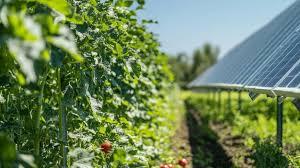
France Agrivoltaics: Transforming Sustainable Agriculture and Solar Integration

The integration of renewable energy with agriculture is emerging as a transformative approach to sustainable land use. In France, agrivoltaics—where solar panels are installed alongside agricultural activities—is gaining increasing attention as a dual-benefit solution. This approach enables farmers to generate clean energy while continuing crop cultivation, addressing both energy demands and food security challenges.
As climate concerns intensify and land availability becomes more constrained, France is positioning itself at the forefront of agrivoltaic innovation. The concept not only optimizes land productivity but also supports national renewable energy targets. Insights into the evolving industry can be explored through this detailed France agrivoltaic industry analysis, which outlines key developments, adoption trends, and growth dynamics shaping the sector.
Understanding Agrivoltaics and Its Role in France
Agrivoltaics refers to the strategic installation of photovoltaic panels above or alongside crops, livestock, or pasturelands. Unlike conventional solar farms, agrivoltaic systems are designed to coexist with agricultural practices rather than replace them. This ensures that land remains productive for farming while also contributing to renewable energy generation.
France has been actively promoting agrivoltaics as part of its broader sustainability strategy. According to the French Agency for Ecological Transition (ADEME), agrivoltaics can significantly enhance land efficiency while mitigating environmental impacts. The country’s favourable solar potential and strong agricultural base create an ideal environment for such hybrid solutions.
Key Drivers Accelerating Adoption
Several factors are driving the growth of agrivoltaics in France. One of the primary drivers is the increasing emphasis on renewable energy expansion. France aims to diversify its energy mix and reduce reliance on fossil fuels, making solar power a critical component of its energy strategy.
Additionally, agrivoltaic systems provide protective benefits to crops. Solar panels can regulate sunlight exposure, reduce water evaporation, and shield plants from extreme weather conditions such as heatwaves or hailstorms. Research by the Food and Agriculture Organization (FAO) highlights how integrated systems can improve agricultural resilience in changing climatic conditions.
Environmental and Economic Benefits
Agrivoltaics offers a unique combination of environmental and economic advantages. From an environmental perspective, it supports carbon emission reduction by generating clean energy. It also promotes biodiversity by maintaining agricultural ecosystems instead of converting land exclusively for energy production.
Economically, farmers benefit from diversified income streams. By leasing land for solar installations or participating in energy generation, they can enhance financial stability. This dual revenue model is particularly beneficial in regions facing agricultural uncertainties or fluctuating market conditions.
Technological Advancements Enhancing Efficiency
Technological innovation is playing a crucial role in optimizing agrivoltaic systems. Advanced solar panel designs, including adjustable and semi-transparent modules, allow better light distribution for crops. These innovations ensure that agricultural productivity is not compromised while maximizing energy output.
Furthermore, digital monitoring systems are being integrated to track crop health, soil conditions, and energy generation simultaneously. According to insights from the International Energy Agency (IEA), such smart technologies are essential for improving system efficiency and scalability in hybrid renewable solutions.
Policy Support and Regulatory Landscape
The French government has introduced supportive policies to encourage agrivoltaic adoption. These include incentives for renewable energy projects, streamlined approval processes, and research funding for innovative agricultural technologies. Regulatory frameworks are also evolving to ensure that agrivoltaic projects maintain agricultural integrity and do not prioritize energy production at the expense of farming.
Clear guidelines and policy backing are essential for building trust among stakeholders, including farmers, investors, and energy developers. This structured approach helps create a balanced ecosystem where both agriculture and energy sectors can thrive.
Challenges and Considerations
Despite its potential, agrivoltaics in France faces certain challenges. One of the key concerns is the initial investment required for system installation. High upfront costs can be a barrier for small-scale farmers, limiting widespread adoption.
Another challenge lies in maintaining the balance between energy generation and agricultural productivity. Improper system design may lead to reduced crop yields or inefficient energy output. Studies by the European Commission emphasize the importance of site-specific planning and stakeholder collaboration to overcome these challenges effectively.
Future Outlook and Opportunities
The future of agrivoltaics in France appears promising, driven by continuous innovation and supportive policy frameworks. As awareness grows, more farmers and energy companies are likely to explore collaborative models that maximize land use efficiency.
Emerging opportunities include the integration of agrivoltaics with precision agriculture and climate-smart farming techniques. These approaches can further enhance productivity while reducing environmental impact. With ongoing research and technological advancements, agrivoltaics is expected to play a significant role in shaping the future of sustainable agriculture and renewable energy in France.
Conclusion
Agrivoltaics represents a forward-thinking solution to some of the most pressing challenges in energy and agriculture. By combining solar power generation with traditional farming practices, France is demonstrating how innovation can drive sustainability without compromising productivity. As the sector continues to evolve, it offers valuable insights into the potential of integrated systems to support a greener and more resilient future.
With strong policy support, technological progress, and increasing stakeholder interest, agrivoltaics is set to become a key component of France’s sustainable development strategy. Its ability to balance environmental, economic, and social benefits makes it a compelling model for other regions seeking to optimize land use and transition toward cleaner energy systems.


