English
 Arabic
 Français
 Spanish
 Portuguese
 Deutsch
 Turkish
 Dutch
Dutch
 Italiano
 Russian
 Romaian
 Portuguese (Brazil)
 Greek
Greek
 Réunionnais
 India
India
Solar Thermal Collectors Market Size, Share Demand Report 2031
Bricolage |
2025-05-08 12:16:36
 Entreprises locales
 Runsound music
 La silver économie
 Affiliation Matrice 3x9
 Récompenses
 Babarun (BBRN)
 Calculez vos calories
 Collab Influenceurs
 Événementiels
 Procaly
 Affiliation
 Prêts Immobiliers
Entreprises locales
Runsound music
La silver économie
Affiliation Matrice 3x9
Récompenses
Babarun (BBRN)
Calculez vos calories
Collab Influenceurs
Événementiels
Procaly
Affiliation
Prêts Immobiliers
Ver Todo
Prêts Immobiliers
Entreprises locales
Runsound music
La silver économie
Affiliation Matrice 3x9
Récompenses
Babarun (BBRN)
Calculez vos calories
Collab Influenceurs
Événementiels
Procaly
Affiliation
Prêts Immobiliers
Ver Todo

Upgrade to Pro

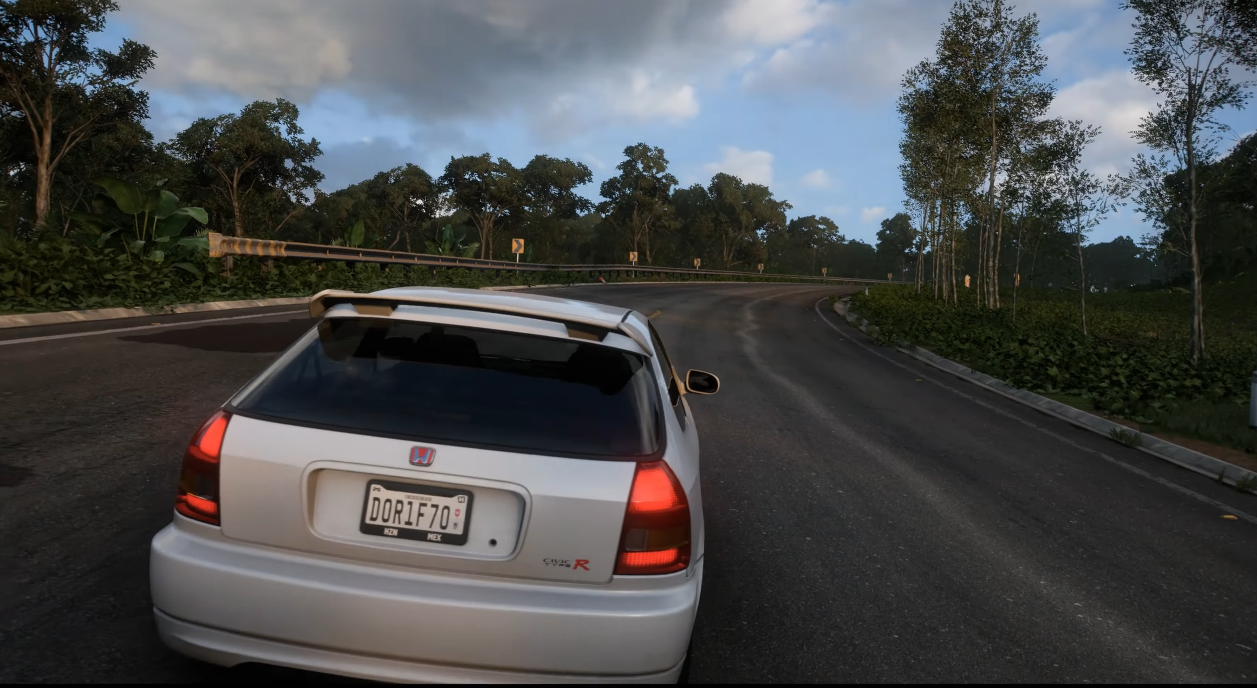
When it comes to Forza Horizon 6, tuning is one of the most important aspects for getting the most out of your car’s performance. Whether you're racing on asphalt or tackling dirt roads, getting your AWD (All-Wheel Drive) setup dialed in for balanced performance can make a significant difference in how your car handles and how competitive you are. This guide will walk you through key tuning adjustments and provide some practical advice for creating an AWD setup that’s stable and responsive in a variety of conditions.
In Forza Horizon 6, each car handles differently depending on its drivetrain, weight distribution, and tuning settings. A well-tuned car can give you more control in corners, better acceleration, and overall better stability in races. While the default setup of a car might be fine for casual cruising, those who want to improve their performance in races will need to take the time to adjust various parameters.
This is especially true for AWD cars, which often require more finesse when tuning because they send power to all four wheels, affecting both handling and grip. Proper tuning can make your AWD car feel more balanced, reducing understeer or oversteer and improving your cornering speeds.
There are several areas in Forza Horizon 6 where tuning can make a significant difference to an AWD setup. Below are the key areas to focus on:
Tires and Pressure
Tire Compound: The type of tire you choose affects your grip and handling. Race tires are often the best for pure performance, while street tires offer more of a balance between grip and durability. For a balanced AWD build, race tires are a good choice if you're looking for the best grip in all conditions.
Tire Pressure: Tire pressure impacts the contact patch with the road. Lower pressure gives more grip but can make the car feel slower, while higher pressure makes the car feel sharper but can lead to less grip. Start with the default settings and adjust in small increments to fine-tune how your car behaves. For AWD, aim for a balanced pressure that gives you grip without compromising speed.
Suspension Settings
Spring Rates: The stiffness of your suspension springs will affect how your car handles. Soft springs give better traction and comfort, while stiff springs make your car more responsive but can cause it to bounce or lose grip in rough terrain. For AWD, you’ll generally want a good balance, with springs stiff enough to maintain control but not so stiff that they make the car feel unbalanced.
Damping: The rebound and compression settings affect how the car handles bumps and curbs. For a balanced AWD build, make sure the rebound and compression settings complement each other. Too much compression can cause understeer, while too little can make your car too bouncy.
Ride Height: Lowering the ride height generally improves handling by lowering the center of gravity. However, be mindful of your car’s suspension travel and make sure the car still has enough clearance to avoid scraping on rough surfaces or jumps. For most AWD setups, a moderate ride height will help balance stability and agility.
Differential Settings
Front Differential: The front differential controls how power is distributed to the front wheels. For a balanced AWD setup, you want enough lock to give you good acceleration off the line without overloading the front tires, which could cause understeer. A medium lock value is usually a safe choice for most tracks.
Rear Differential: The rear differential is just as important for balance. Too much lock in the rear can cause oversteer, while too little can make the car too understeery. A moderate lock value here will help keep your car stable through corners without causing the rear end to snap out unexpectedly.
Center Differential: This is the most important differential for AWD cars. It controls the power split between the front and rear axles. For a balanced AWD setup, a 50:50 power split is a good starting point. If you’re having trouble with understeer, you can shift a little more power to the rear. For oversteer, shift more power to the front. The ideal split depends on your driving style and the type of race you’re participating in.
Alignment
Camber: Camber is the angle of your tires relative to the road. Negative camber (where the top of the tire leans inward) increases grip in corners. However, too much negative camber can reduce grip in a straight line. For AWD cars, a small amount of negative camber (around -1 to -2 degrees) can help improve cornering while maintaining straight-line stability.
Toe: Toe affects how your car steers. If the front tires are angled inward (toe-in), it will improve stability, but too much can cause sluggish handling. Toe-out (where the tires point outward) increases responsiveness but can make the car twitchy. For a balanced AWD build, a slight toe-in at the rear and a small toe-out at the front will provide a good balance of stability and agility.
Caster: Caster angle affects how the steering wheel returns to center after a turn. For a more stable car, increase the caster angle slightly. However, this will also increase steering effort, so be sure to find a setting that suits your playstyle.
Brakes and Weight Distribution
Braking Force: The amount of braking force you apply to the front and rear tires affects the car’s balance under braking. For a balanced AWD setup, you generally want to keep more braking force to the front wheels, but not so much that the rear end becomes unstable under heavy braking.
Brake Balance: Adjusting brake balance will help you maintain control when braking hard. A slight rear bias can improve stability without causing understeer, especially on longer corners. However, too much rear bias can cause the car to lose control.
Weight Distribution: A balanced weight distribution is essential for good handling. Most AWD cars in Forza Horizon 6 have a fairly even weight distribution, but fine-tuning the balance can improve responsiveness. If you’re running into issues with understeer or oversteer, adjusting the weight distribution a bit toward the rear or front may help.
When tuning for cornering performance, the goal is to balance grip and control so that you can take turns quickly without losing traction. The following settings are particularly important:
Differential Locking: A softer lock on the rear differential can reduce the tendency to oversteer, giving you more confidence through corners.
Suspension Stiffness: Softer suspension settings allow for better tire contact during turns, which improves grip.
Camber: Ensure that your camber settings are optimized for the tracks you're racing on. More negative camber at the front will improve cornering, while rear camber should be moderate.
Anti-Roll Bars: A balanced anti-roll bar setup will reduce body roll while allowing for more dynamic cornering. A softer rear bar can help reduce oversteer.
For AWD cars, maintaining balance in various conditions can be tricky. Whether you’re racing on asphalt, dirt, or mixed surfaces, small adjustments to your tire pressure, suspension, and differential settings can make all the difference.
On dirt or wet roads, a higher ride height and slightly softer suspension can improve your car’s ability to handle uneven terrain.
On dry asphalt, you can lower the ride height slightly and stiffen the suspension for better handling in corners.
Always keep your tire pressure in the mid-range to avoid sacrificing grip for a faster, but less controlled, car.
For players who want a quick way to get started with a fully upgraded setup, buying an FH6 account for Xbox Series X can be a tempting option. This allows you to skip the grind and jump straight into the competitive side of the game with well-tuned cars. However, for those who prefer a more organic experience, tuning your car yourself and learning the ins and outs of each setup can be far more rewarding in the long run.
Tuning an AWD car in Forza Horizon 6 for balanced performance requires some trial and error, but it’s definitely worth the effort. Focus on getting the right combination of tire pressure, suspension settings, differential locks, and alignment for each specific race type and surface. Once you get the hang of it, you'll find that your car handles much better, making it easier to win races and take on the challenges that Forza Horizon 6 offers.