 English
 Arabic
 Français
 Spanish
 Portuguese
 Deutsch
 Turkish
 Dutch
Dutch
 Italiano
 Russian
 Romaian
 Portuguese (Brazil)
 Greek
Greek
 Réunionnais
 India
India
Global Flame Monitor Market Research, Competitor Strategy, Industry Trends and Forecast to 2031
Education |
2024-02-21 05:43:03
 Babarun (BBRN)
 Collab Influenceurs
 Coupon
 Procaly
 Récompenses
 Événementiels
 Parrainage
 Calculez vos calories
 Affiliation Matrice 3x9
 La silver économie
 Maps Membres
 BabaShopCenter
 Bot IA de Trading
 Runsound music
 Films partner IMDb
 Affiliation
 Prêts Immobiliers
Babarun (BBRN)
Collab Influenceurs
Coupon
Procaly
Récompenses
Événementiels
Parrainage
Calculez vos calories
Affiliation Matrice 3x9
La silver économie
Maps Membres
BabaShopCenter
Bot IA de Trading
Runsound music
Films partner IMDb
Affiliation
Prêts Immobiliers
Смотреть все
Prêts Immobiliers
Babarun (BBRN)
Collab Influenceurs
Coupon
Procaly
Récompenses
Événementiels
Parrainage
Calculez vos calories
Affiliation Matrice 3x9
La silver économie
Maps Membres
BabaShopCenter
Bot IA de Trading
Runsound music
Films partner IMDb
Affiliation
Prêts Immobiliers
Смотреть все

Обновить до Про
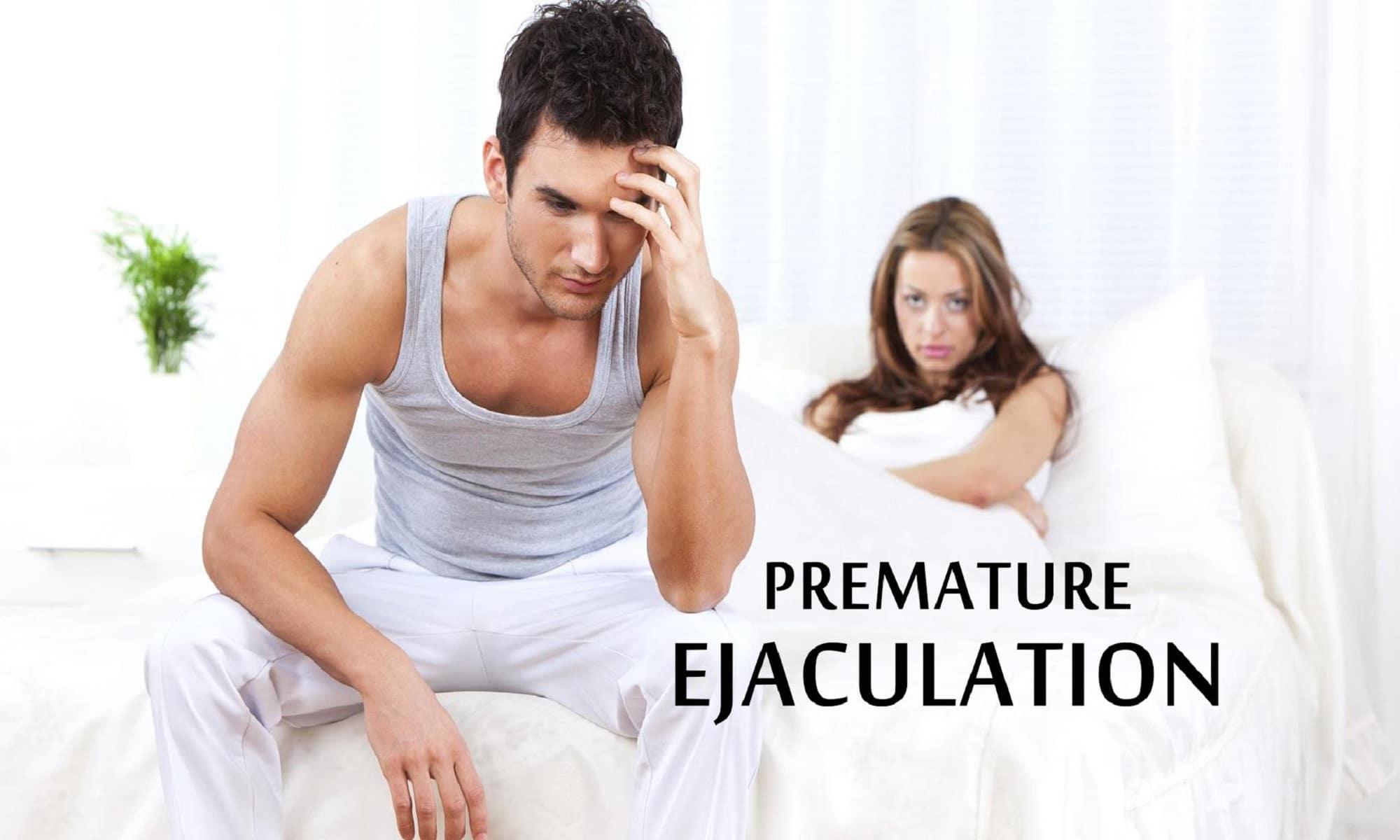
Premature ejaculation (PE) is one of the most common male sexual disorders and yet one of the least openly discussed. Millions of men across the world struggle with ejaculating sooner than desired, often within seconds or a minute of penetration. While occasional early ejaculation is normal and happens to almost every man at some point, persistent premature ejaculation can create emotional distress, relationship difficulties, and a serious blow to self-confidence.
Despite the embarrassment that often surrounds it, premature ejaculation is not a rare or untreatable condition. In fact, modern medicine offers highly effective solutions. Understanding why it happens and how it can be treated is the first step toward regaining sexual control and satisfaction.
Premature ejaculation is defined as ejaculation that happens earlier than a man or his partner would like during sexual activity, with minimal or no voluntary control. The internationally accepted medical criteria include:
Ejaculation that occurs before penetration or within about one minute of penetration
Inability to delay ejaculation in most sexual encounters
Personal distress, frustration, or relationship strain caused by the condition
The key components of PE are not just early timing but also loss of control and negative emotional impact.
To understand premature ejaculation, it helps to know how normal ejaculation occurs. Ejaculation is a complex neurological reflex involving:
The brain and spinal cord
Hormonal signaling
Muscles of the pelvic floor
Sensory nerves in the penis
Neurotransmitters such as serotonin and dopamine
The process has two phases:
Emission Phase – Seminal fluid moves into the urethra.
Expulsion Phase – Rhythmic pelvic muscle contractions push semen out.
Premature ejaculation happens when this reflex is triggered too quickly, often due to abnormal nerve sensitivity, neurotransmitter imbalance, psychological stress, or learned sexual response patterns.
This form begins with a man’s first sexual experiences and continues throughout life. It is usually caused by:
Genetic predisposition
Abnormal serotonin receptor activity
Hypersensitive penile nerves
Early sexual conditioning
Men with lifelong PE typically ejaculate within seconds to one minute consistently.
This develops later in life after a period of normal sexual performance. Common causes include:
Erectile dysfunction
Hormonal changes
Prostate inflammation or infection
Thyroid disorders
Psychological stress
Relationship conflicts
Acquired PE is often reversible once the underlying cause is treated.
Epidemiological studies estimate that 20–30% of men worldwide experience premature ejaculation. Some studies report even higher numbers when men are surveyed anonymously.
Because many men never seek medical help due to embarrassment, the true prevalence is likely underestimated.
PE affects:
Teenagers and young adults (often due to anxiety and inexperience)
Middle-aged men (commonly linked to stress or ED)
Older men (often due to prostate disease, hormone decline, or vascular issues)
Early Discharge is usually multifactorial. It rarely has a single cause.
Modern research strongly supports a neurochemical basis for PE:
Low serotonin activity in certain brain pathways
Abnormal serotonin receptor sensitivity
Faster-than-normal ejaculatory reflex arc
Hypersensitive penile nerve endings
Men with low serotonin levels tend to ejaculate faster because serotonin naturally delays ejaculation.
Psychological factors play a major role, especially in acquired PE:
Performance anxiety
Fear of sexual failure
Depression
Chronic stress
Relationship problems
Guilt or shame about sex
Traumatic sexual experiences
Overstimulation from excessive pornography use
These factors often reinforce PE through a vicious anxiety–performance cycle.
Many men with ED develop secondary PE. They rush intercourse due to fear of losing their erection, which trains the brain to ejaculate quickly.
Hormonal imbalances can disrupt ejaculation timing:
Low testosterone
Hyperthyroidism
Prolactin abnormalities
Prostatitis
Urinary tract infections
Chronic pelvic pain syndrome
Diabetes-related nerve damage
Spinal cord disorders
Smoking
Alcohol abuse
Obesity
Lack of exercise
Sleep deprivation
Poor diet
Drug use
The main symptoms include:
Ejaculation within 60 seconds of penetration
Inability to delay ejaculation consistently
Ejaculation before penetration
Distress, shame, or avoidance of sex
Reduced sexual satisfaction for both partners
Relationship tension
Premature ejaculation is not just a sexual issue—it deeply affects mental health and relationships.
Men may experience:
Loss of confidence
Depression
Anxiety
Avoidance of intimacy
Social withdrawal
Reduced masculinity self-image
Partners may feel:
Sexually dissatisfied
Rejected
Frustrated
Guilty
Without communication and treatment, PE can severely damage long-term relationships.
Diagnosis is primarily clinical.
Doctors assess:
Duration and severity of symptoms
Lifelong vs acquired onset
Erectile function
Psychological stressors
Medication use
Lifestyle habits
This includes:
Genital exam
Prostate exam
Neurological reflex testing
Signs of hormonal imbalance
Sometimes required to rule out underlying conditions:
Testosterone levels
Thyroid function tests
Blood sugar
PSA
Infection markers
Most men respond well to treatment.
These techniques retrain ejaculatory reflexes.
Stimulation is stopped when ejaculation feels imminent and resumed after arousal subsides.
Gentle pressure applied to the penile head reduces arousal.
Couples practice non-penetrative intimacy to reduce anxiety.
Strengthening the bulbocavernosus and ischiocavernosus muscles improves control.
Effective for anxiety-related PE:
Cognitive behavioral therapy (CBT)
Sex therapy
Couples counseling
Paroxetine, sertraline, fluoxetine, and dapoxetine delay ejaculation by increasing serotonin.
Lidocaine–prilocaine creams reduce penile sensitivity.
Sildenafil and tadalafil help when PE coexists with ED.
Used cautiously for severe PE.
Regular exercise
Balanced diet
Stress reduction
Quitting smoking
Limiting alcohol
Adequate sleep
Partner cooperation improves outcomes dramatically.
Reduces anxiety
Improves compliance
Enhances intimacy
PE only affects young men – False
It’s always psychological – False
It’s untreatable – False
Masturbation causes PE – False
Persistent PE
Emotional distress
Relationship conflict
Erectile dysfunction
Suspected hormonal or prostate issues
Most men improve significantly with treatment. Many achieve full control.
Premature ejaculation is common, real, and highly treatable. With medical guidance, lifestyle changes, and partner support, men can regain control and confidence.
No man should suffer in silence when effective help is available.

