English
 Arabic
 Français
 Spanish
 Portuguese
 Deutsch
 Turkish
 Dutch
Dutch
 Italiano
 Russian
 Romaian
 Portuguese (Brazil)
 Greek
Greek
 Réunionnais
 India
India
Polybutadiene Market Growth Overview With Upcoming Opportunities Industry Trends till 2030
Autres |
2023-10-26 09:12:32
 Babarun (BBRN)
 Collab Influenceurs
 Coupon
 Procaly
 Récompenses
 Événementiels
 Parrainage
 Calculez vos calories
 Affiliation Matrice 3x9
 La silver économie
 Maps Membres
 BabaShopCenter
 Bot IA de Trading
 Runsound music
 Films partner IMDb
 Affiliation
 Prêts Immobiliers
Babarun (BBRN)
Collab Influenceurs
Coupon
Procaly
Récompenses
Événementiels
Parrainage
Calculez vos calories
Affiliation Matrice 3x9
La silver économie
Maps Membres
BabaShopCenter
Bot IA de Trading
Runsound music
Films partner IMDb
Affiliation
Prêts Immobiliers
TOON ALLES
Prêts Immobiliers
Babarun (BBRN)
Collab Influenceurs
Coupon
Procaly
Récompenses
Événementiels
Parrainage
Calculez vos calories
Affiliation Matrice 3x9
La silver économie
Maps Membres
BabaShopCenter
Bot IA de Trading
Runsound music
Films partner IMDb
Affiliation
Prêts Immobiliers
TOON ALLES

Upgrade to Pro
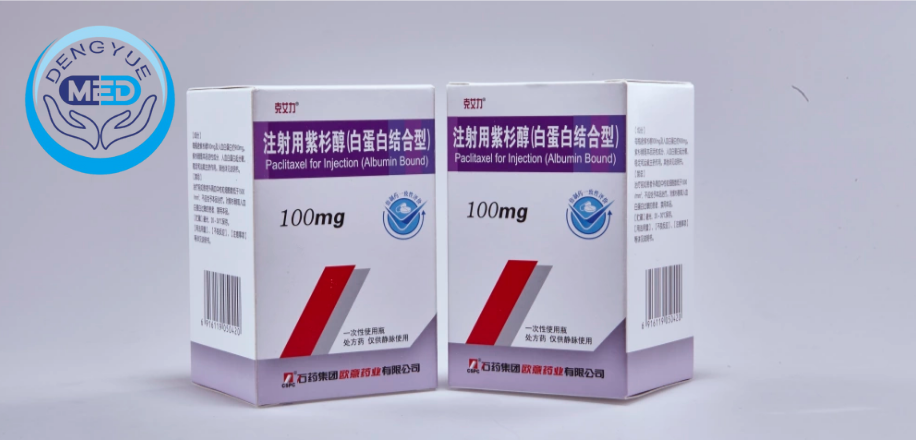
Cancer remains one of the most challenging health issues of our time, affecting millions worldwide. With ongoing research and innovation, treatments are evolving to offer better outcomes and improved quality of life for patients. One such advancement is the use of albumin-bound paclitaxel, a targeted chemotherapy agent that's making waves in the fight against certain metastatic cancers. In this article, we'll dive into what this drug is, its approved indications, and how it's contributing to modern oncology practices.
Paclitaxel is a well-known chemotherapy drug derived from the Pacific yew tree, but the albumin-bound version takes it a step further. By binding paclitaxel to albumin (a natural protein in human blood), this formulation allows for better delivery to tumor sites while potentially reducing some of the side effects associated with traditional paclitaxel, like the need for premedication to prevent allergic reactions. This nanoparticle technology enhances solubility and targeted action, making it a valuable tool in precision medicine.
The trade name for this innovative drug is Keaili, and its full product name is Paclitaxel for Injection (Albumin Bound). It's administered intravenously and has been rigorously tested in clinical trials, showing promise in combination therapies.
Keaili is approved for several serious cancer types, particularly in advanced stages where options can be limited:
These indications highlight Keaili's role in multimodal treatment plans, often alongside other drugs, surgery, or radiation. Of course, treatment decisions should always be made in consultation with oncologists, as individual responses can vary based on factors like overall health and genetic markers.
What makes drugs like Keaili exciting is their potential to shift the paradigm from blanket chemotherapy to more tailored approaches. Studies have shown improved response rates and tolerability in certain patient groups, which can mean fewer hospital visits and better day-to-day living. However, like all chemotherapies, it comes with possible side effects such as neuropathy, fatigue, and low blood counts, so monitoring and supportive care are crucial.
In the pharmaceutical landscape, companies like DengYueMed are playing a key role in bringing such therapies to market, ensuring accessibility and ongoing research. Their focus on oncology solutions helps bridge the gap between innovation and real-world application, supporting healthcare providers and patients alike.
As we continue to learn more about cancer biology, treatments like albumin-bound paclitaxel represent a beacon of hope. Ongoing trials are exploring its use in other cancers and combinations, potentially expanding its reach. If you're dealing with a cancer diagnosis or supporting a loved one, resources from reputable organizations like the American Cancer Society or World Health Organization can provide further guidance.
Remember, this article is for informational purposes only and not a substitute for professional medical advice. Always discuss treatment options with your healthcare team to find what's right for you.
What are your thoughts on the future of cancer treatments? Share in the comments below—I'd love to hear from fellow readers!
This post is inspired by recent developments in oncology and aims to raise awareness about available therapies.