Atualizar para Plus

  • Ever wondered how countries in the Gulf are defending themselves against the looming threat of missiles and drones?

    In a captivating article, we explore the sophisticated air-defense systems—from THAAD to Patriot batteries—that are currently being tested in real-time to intercept these threats. Each country is showcasing its unique strategies and technologies, highlighting the importance of preparedness in a rapidly changing geopolitical landscape.

    It's fascinating to see how nations can come together to bolster security and innovation! This is a reminder that, in our own lives, we too can prepare and protect our personal spaces against challenges. Whether it's adopting new technologies or enhancing our skills, there's always room for growth.

    Curious to learn more? Dive into the full article!

    https://www.wired.com/story/how-each-gulf-country-is-intercepting-iranian-missiles-and-drones/
    #NationalSecurity #AirDefense #Innovation #Geopolitics #Preparedness
    🔍 Ever wondered how countries in the Gulf are defending themselves against the looming threat of missiles and drones? 🌍 In a captivating article, we explore the sophisticated air-defense systems—from THAAD to Patriot batteries—that are currently being tested in real-time to intercept these threats. Each country is showcasing its unique strategies and technologies, highlighting the importance of preparedness in a rapidly changing geopolitical landscape. It's fascinating to see how nations can come together to bolster security and innovation! This is a reminder that, in our own lives, we too can prepare and protect our personal spaces against challenges. Whether it's adopting new technologies or enhancing our skills, there's always room for growth. Curious to learn more? Dive into the full article! https://www.wired.com/story/how-each-gulf-country-is-intercepting-iranian-missiles-and-drones/ #NationalSecurity #AirDefense #Innovation #Geopolitics #Preparedness
    WWW.WIRED.COM
    How Each Gulf Country Is Intercepting Iranian Missiles and Drones
    As missiles and drones cross the region’s skies, the Gulf’s layered air-defense networks—from THAAD to Patriot batteries—are being tested in real time.
    ·58 Visualizações ·0 Anterior
  • Vendor Credentialing for Healthcare: Modern Solutions for Safer, Compliant Facility Access


    Vendor credentialing solutions for hospitals to improve compliance, reduce risk, and streamline secure facility access with mobile-first technology.
    The Growing Complexity of Vendor Management in Healthcare
    Hospitals and healthcare systems operate in environments where patient safety, regulatory compliance, and operational efficiency must work together seamlessly. Yet one critical area often creates administrative strain: vendor access management.
    From medical device representatives to pharmaceutical consultants and contractors, healthcare facilities manage hundreds of third-party professionals daily. Without structured oversight, facilities risk:
    Documentation gaps


    Policy inconsistencies
    Unauthorized facility access
    Increased audit exposure
    Operational slowdowns at entry points


    A modern approach to vendor credentialing is no longer optional — it is foundational to risk management and accreditation readiness.
    Why Traditional Vendor Check-Ins No Longer Work
    Manual sign-in sheets, badge exchanges, and disconnected documentation systems create blind spots. Administrative teams spend excessive time verifying immunizations, background checks, insurance documentation, and compliance certifications.
    These outdated workflows often result in:
    Delayed vendor approvals
    Inconsistent enforcement of policies
    Limited visibility into credential expiration
    Difficulty preparing for inspections

    As regulatory expectations continue to evolve — including oversight from agencies such as Centers for Medicare & Medicaid Services and accreditation bodies like The Joint Commission — hospitals must implement proactive compliance systems rather than reactive processes.
    The Shift Toward Mobile-First Vendor Credentialing
    Mobile credentialing platforms are reshaping how healthcare facilities manage third-party access. Instead of verifying credentials at the front desk, documentation is validated before arrival.
    A centralized digital platform allows vendors to:
    Upload required documents securely

    Monitor credential status in real time
    Receive expiration alerts
    Confirm facility access eligibility
    Complete check-ins digitally

    This pre-arrival verification significantly reduces on-site congestion and administrative burden while strengthening compliance controls.
    Strengthening Compliance Through Automation
    Vendor credentialing directly supports:
    Infection prevention protocols

    Immunization tracking
    Background screening validation
    Documentation transparency
    Third-party risk oversight

    By digitizing documentation and maintaining a continuous audit trail, healthcare systems build a defensible compliance framework that remains inspection-ready at all times.
    Automation ensures consistent enforcement of facility policies across multiple departments and locations — reducing the variability that often creates regulatory risk.
    Real-Time Visibility for Healthcare Leaders
    One of the greatest advantages of a modern vendor credentialing platform is centralized oversight.
    Hospital administrators and compliance officers gain:
    Live activity monitoring

    Credential expiration tracking
    Facility-level reporting
    Digital audit trails
    Multi-site visibility dashboards

    This real-time transparency helps leadership teams proactively address compliance gaps instead of discovering them during inspections.
    Enhancing Security Without Slowing Operations
    Security and efficiency do not have to compete.
    Mobile vendor credentialing platforms integrate:
    Secure authentication methods such as biometric login


    Digital check-in kiosks
    Real-time credential validation
    Intelligent flagging for non-compliant documentation


    By automating verification, facilities reduce unauthorized access while improving vendor throughput at entry points.
    Supporting Continuous Accreditation Readiness
    Accreditation is not a once-a-year event — it requires daily discipline.
    A structured credentialing system enables healthcare organizations to:
    Standardize vendor access policies


    Maintain consistent documentation


    Identify compliance gaps early


    Strengthen audit preparedness


    Reduce institutional liability


    With a digital-first approach, facilities move from reactive compliance to proactive risk management.
    The Operational Impact of Mobile Vendor Credentialing
    Hospitals implementing mobile credentialing solutions frequently report:
    ✔ Faster vendor processing times
    ✔ Reduced manual administrative workload
    ✔ Improved documentation consistency
    ✔ Stronger infection control oversight
    ✔ Greater regulatory confidence
    The result is a safer environment for patients, staff, and visitors — without adding complexity to existing workflows.
    Building a Safer Future for Healthcare Facilities
    As healthcare systems continue to modernize infrastructure, vendor access management must evolve alongside clinical operations and security programs.
    Mobile vendor credentialing is more than a convenience — it is a strategic compliance investment that strengthens oversight, reduces liability, and supports continuous accreditation readiness.
    Healthcare organizations that prioritize secure, automated vendor credentialing position themselves for long-term operational resilience and regulatory stability.
    Vendor Credentialing for Healthcare: Modern Solutions for Safer, Compliant Facility Access Vendor credentialing solutions for hospitals to improve compliance, reduce risk, and streamline secure facility access with mobile-first technology. The Growing Complexity of Vendor Management in Healthcare Hospitals and healthcare systems operate in environments where patient safety, regulatory compliance, and operational efficiency must work together seamlessly. Yet one critical area often creates administrative strain: vendor access management. From medical device representatives to pharmaceutical consultants and contractors, healthcare facilities manage hundreds of third-party professionals daily. Without structured oversight, facilities risk: Documentation gaps Policy inconsistencies Unauthorized facility access Increased audit exposure Operational slowdowns at entry points A modern approach to vendor credentialing is no longer optional — it is foundational to risk management and accreditation readiness. Why Traditional Vendor Check-Ins No Longer Work Manual sign-in sheets, badge exchanges, and disconnected documentation systems create blind spots. Administrative teams spend excessive time verifying immunizations, background checks, insurance documentation, and compliance certifications. These outdated workflows often result in: Delayed vendor approvals Inconsistent enforcement of policies Limited visibility into credential expiration Difficulty preparing for inspections As regulatory expectations continue to evolve — including oversight from agencies such as Centers for Medicare & Medicaid Services and accreditation bodies like The Joint Commission — hospitals must implement proactive compliance systems rather than reactive processes. The Shift Toward Mobile-First Vendor Credentialing Mobile credentialing platforms are reshaping how healthcare facilities manage third-party access. Instead of verifying credentials at the front desk, documentation is validated before arrival. A centralized digital platform allows vendors to: Upload required documents securely Monitor credential status in real time Receive expiration alerts Confirm facility access eligibility Complete check-ins digitally This pre-arrival verification significantly reduces on-site congestion and administrative burden while strengthening compliance controls. Strengthening Compliance Through Automation Vendor credentialing directly supports: Infection prevention protocols Immunization tracking Background screening validation Documentation transparency Third-party risk oversight By digitizing documentation and maintaining a continuous audit trail, healthcare systems build a defensible compliance framework that remains inspection-ready at all times. Automation ensures consistent enforcement of facility policies across multiple departments and locations — reducing the variability that often creates regulatory risk. Real-Time Visibility for Healthcare Leaders One of the greatest advantages of a modern vendor credentialing platform is centralized oversight. Hospital administrators and compliance officers gain: Live activity monitoring Credential expiration tracking Facility-level reporting Digital audit trails Multi-site visibility dashboards This real-time transparency helps leadership teams proactively address compliance gaps instead of discovering them during inspections. Enhancing Security Without Slowing Operations Security and efficiency do not have to compete. Mobile vendor credentialing platforms integrate: Secure authentication methods such as biometric login Digital check-in kiosks Real-time credential validation Intelligent flagging for non-compliant documentation By automating verification, facilities reduce unauthorized access while improving vendor throughput at entry points. Supporting Continuous Accreditation Readiness Accreditation is not a once-a-year event — it requires daily discipline. A structured credentialing system enables healthcare organizations to: Standardize vendor access policies Maintain consistent documentation Identify compliance gaps early Strengthen audit preparedness Reduce institutional liability With a digital-first approach, facilities move from reactive compliance to proactive risk management. The Operational Impact of Mobile Vendor Credentialing Hospitals implementing mobile credentialing solutions frequently report: ✔ Faster vendor processing times ✔ Reduced manual administrative workload ✔ Improved documentation consistency ✔ Stronger infection control oversight ✔ Greater regulatory confidence The result is a safer environment for patients, staff, and visitors — without adding complexity to existing workflows. Building a Safer Future for Healthcare Facilities As healthcare systems continue to modernize infrastructure, vendor access management must evolve alongside clinical operations and security programs. Mobile vendor credentialing is more than a convenience — it is a strategic compliance investment that strengthens oversight, reduces liability, and supports continuous accreditation readiness. Healthcare organizations that prioritize secure, automated vendor credentialing position themselves for long-term operational resilience and regulatory stability.
    ·363 Visualizações ·0 Anterior
  • 2026 Will Redefine Hospital Credentialing: Green Security CEO Shares Five Predictions for Healthcare Leaders

    Clearwater, FL – As healthcare systems navigate rising financial strain, regulatory complexity, and accelerating technological change, hospital credentialing is emerging as one of the most strategic operational priorities of 2026. According to Mickey Meehan, CEO of Green Security, the year ahead will fundamentally reshape how healthcare organizations manage vendor and contractor access, compliance governance, and operational risk.

    In his latest industry outlook, Meehan outlines five key predictions that signal a permanent shift from static, back-office credentialing processes to AI-driven, continuous compliance systems.

    Healthcare leaders can explore Green Security’s vendor credentialing solutions at:
    https://gogreensecurity.com/vendor-credentialing

    AI Will Move from Clinical Hype to Operational Necessity
    While artificial intelligence has been widely promoted for clinical diagnostics and patient care innovation, most hospitals have struggled to demonstrate measurable ROI in those areas. In 2026, AI adoption will pivot toward operational survival.
    Hospitals will deploy AI to automate:
    Credential verification
    Real-time compliance audits
    Vendor and contractor access management
    Fraud detection and document validation
    Operational resilience is becoming the foundation for scalable healthcare innovation. Without stable, compliant operations, clinical transformation cannot succeed.
    Compliance Will Become a Board-Level Risk Metric
    Healthcare organizations face increasing oversight from regulatory bodies such as:
    The Joint Commission
    Centers for Medicare & Medicaid Services
    National Fire Protection Association
    Fragmented reporting requirements and evolving standards have created significant exposure for hospitals. In 2026, credentialing programs will no longer sit quietly in administrative departments. They will be elevated to board-level discussions alongside cybersecurity, financial risk, and patient safety metrics.
    Organizations that modernize credentialing governance will gain a measurable compliance advantage.

    Learn more about modern credentialing governance best practices here:
    https://tinyurl.com/yfxwas4m

    AI Will Become Healthcare’s Most Powerful Fraud Defense
    Generative AI has introduced new fraud risks, including synthetic identities and convincingly forged credentials. However, the same technology now enables hospitals to detect manipulated documents, altered certifications, and suspicious submissions in real time.
    By leveraging intelligent verification systems, healthcare facilities can close long-standing vulnerabilities in vendor and contractor oversight — protecting patient safety, data security, and institutional integrity.
    Continuous Monitoring Will Replace Static Credentialing
    Traditional credentialing models rely on annual verification cycles. But licenses expire, sanctions change, and workforce risks evolve daily.

    In 2026, the standard will shift to continuous credential monitoring — including:
    Real-time license validation
    Automated sanction screening
    Ongoing background verification
    Expiration alerts and compliance drift detection
    This mirrors the cybersecurity industry’s move from periodic audits to continuous assurance.

    Hospitals seeking operational modernization can explore continuous vendor credential monitoring solutions at:
    https://gogreensecurity.com/vendor-credentialing
    Cyber Insurance Will Require Active Credential Monitoring
    Cyber insurers are expanding underwriting requirements beyond ransomware preparedness to include third-party access controls. As outsourcing and contractor activity increase, insurers view unmonitored vendor access as a high-risk vulnerability.
    In 2026, healthcare organizations without proof of continuous credential monitoring may face:
    Higher insurance premiums
    Reduced coverage
    Policy exclusions
    As a result, CFOs are joining CISOs and compliance leaders in prioritizing credentialing modernization as both a financial and operational safeguard.

    Additional insights on emerging healthcare credentialing trends can be found here:
    https://tinyurl.com/j7uy7xja
    The Expanding Role of Contractors in Hospital Credentialing
    A critical but often overlooked element of credentialing governance is contractor inclusion.
    Contractors — including biomedical engineers, HVAC technicians, IT specialists, and service providers — regularly access sensitive hospital environments. Whether on-site or remote, these individuals must meet the same verification standards as permanent staff and vendors.
    Failure to credential contractors properly introduces risks including:
    Patient safety incidents
    Regulatory violations
    Operational disruption
    Reputational damage
    A standardized, centralized credentialing framework ensures every non-employee meets documented compliance standards.

    Healthcare leaders can review contractor-inclusive credentialing strategies at:
    https://tinyurl.com/yfxwas4m

    Best Practices for Vendor & Contractor Credentialing Governance
    To build a future-ready credentialing program, healthcare organizations should:
    Develop standardized credentialing policies
    Centralize verification processes
    Include contractors in full compliance protocols
    Conduct ongoing audits and automated renewals
    Leverage AI-powered verification technology
    Provide real-time reporting for board oversight
    Modern credentialing governance enhances transparency across subcontractors, improves billing oversight, and strengthens supply chain accountability.

    About Green Security
    Green Security is a healthcare-focused vendor credentialing and facility access compliance provider that helps hospitals automate verification, manage non-employee access, and maintain continuous regulatory readiness.
    By combining AI-driven monitoring with centralized governance tools, Green Security empowers healthcare organizations to transition from reactive credentialing to proactive compliance management.

    Frequently Asked Questions (FAQs)

    FAQs by Technology
    Q: How does AI improve hospital credentialing?
    AI automates license verification, detects fraudulent documents, performs sanction screening, and enables real-time compliance monitoring.
    Q: Can AI detect forged or AI-generated credentials?
    Yes. Advanced verification systems can identify manipulated documents and inconsistencies that manual review often misses.
    Q: What is continuous credential monitoring?
    It is an automated system that verifies credentials in real time rather than relying on annual or periodic reviews.

    FAQs by Compliance & Risk
    Q: Why is credentialing becoming a board-level issue?
    Because credentialing directly impacts regulatory compliance, cybersecurity exposure, patient safety, and insurance risk.
    Q: What regulations require contractor credentialing?
    Healthcare facilities must meet standards set by accrediting and regulatory bodies including The Joint Commission, CMS, and NFPA.
    Q: Can poor credentialing impact cyber insurance coverage?
    Yes. Insurers increasingly require proof of monitored third-party access as part of underwriting criteria.

    FAQs by Contractor Inclusion
    Q: Should contractors be credentialed like vendors and employees?
    Yes. Contractors often access critical systems and patient environments, making equal verification essential.
    Q: What credentials should contractors provide?
    Background checks, immunizations, licenses, training certifications, and policy compliance documentation.
    Q: How does centralized credentialing benefit general contractors?
    It provides transparency into subcontractor compliance, reduces billing disputes, and enhances operational accountability.
    2026 Will Redefine Hospital Credentialing: Green Security CEO Shares Five Predictions for Healthcare Leaders Clearwater, FL – As healthcare systems navigate rising financial strain, regulatory complexity, and accelerating technological change, hospital credentialing is emerging as one of the most strategic operational priorities of 2026. According to Mickey Meehan, CEO of Green Security, the year ahead will fundamentally reshape how healthcare organizations manage vendor and contractor access, compliance governance, and operational risk. In his latest industry outlook, Meehan outlines five key predictions that signal a permanent shift from static, back-office credentialing processes to AI-driven, continuous compliance systems. Healthcare leaders can explore Green Security’s vendor credentialing solutions at: https://gogreensecurity.com/vendor-credentialing AI Will Move from Clinical Hype to Operational Necessity While artificial intelligence has been widely promoted for clinical diagnostics and patient care innovation, most hospitals have struggled to demonstrate measurable ROI in those areas. In 2026, AI adoption will pivot toward operational survival. Hospitals will deploy AI to automate: Credential verification Real-time compliance audits Vendor and contractor access management Fraud detection and document validation Operational resilience is becoming the foundation for scalable healthcare innovation. Without stable, compliant operations, clinical transformation cannot succeed. Compliance Will Become a Board-Level Risk Metric Healthcare organizations face increasing oversight from regulatory bodies such as: The Joint Commission Centers for Medicare & Medicaid Services National Fire Protection Association Fragmented reporting requirements and evolving standards have created significant exposure for hospitals. In 2026, credentialing programs will no longer sit quietly in administrative departments. They will be elevated to board-level discussions alongside cybersecurity, financial risk, and patient safety metrics. Organizations that modernize credentialing governance will gain a measurable compliance advantage. Learn more about modern credentialing governance best practices here: https://tinyurl.com/yfxwas4m AI Will Become Healthcare’s Most Powerful Fraud Defense Generative AI has introduced new fraud risks, including synthetic identities and convincingly forged credentials. However, the same technology now enables hospitals to detect manipulated documents, altered certifications, and suspicious submissions in real time. By leveraging intelligent verification systems, healthcare facilities can close long-standing vulnerabilities in vendor and contractor oversight — protecting patient safety, data security, and institutional integrity. Continuous Monitoring Will Replace Static Credentialing Traditional credentialing models rely on annual verification cycles. But licenses expire, sanctions change, and workforce risks evolve daily. In 2026, the standard will shift to continuous credential monitoring — including: Real-time license validation Automated sanction screening Ongoing background verification Expiration alerts and compliance drift detection This mirrors the cybersecurity industry’s move from periodic audits to continuous assurance. Hospitals seeking operational modernization can explore continuous vendor credential monitoring solutions at: https://gogreensecurity.com/vendor-credentialing Cyber Insurance Will Require Active Credential Monitoring Cyber insurers are expanding underwriting requirements beyond ransomware preparedness to include third-party access controls. As outsourcing and contractor activity increase, insurers view unmonitored vendor access as a high-risk vulnerability. In 2026, healthcare organizations without proof of continuous credential monitoring may face: Higher insurance premiums Reduced coverage Policy exclusions As a result, CFOs are joining CISOs and compliance leaders in prioritizing credentialing modernization as both a financial and operational safeguard. Additional insights on emerging healthcare credentialing trends can be found here: https://tinyurl.com/j7uy7xja The Expanding Role of Contractors in Hospital Credentialing A critical but often overlooked element of credentialing governance is contractor inclusion. Contractors — including biomedical engineers, HVAC technicians, IT specialists, and service providers — regularly access sensitive hospital environments. Whether on-site or remote, these individuals must meet the same verification standards as permanent staff and vendors. Failure to credential contractors properly introduces risks including: Patient safety incidents Regulatory violations Operational disruption Reputational damage A standardized, centralized credentialing framework ensures every non-employee meets documented compliance standards. Healthcare leaders can review contractor-inclusive credentialing strategies at: https://tinyurl.com/yfxwas4m Best Practices for Vendor & Contractor Credentialing Governance To build a future-ready credentialing program, healthcare organizations should: Develop standardized credentialing policies Centralize verification processes Include contractors in full compliance protocols Conduct ongoing audits and automated renewals Leverage AI-powered verification technology Provide real-time reporting for board oversight Modern credentialing governance enhances transparency across subcontractors, improves billing oversight, and strengthens supply chain accountability. About Green Security Green Security is a healthcare-focused vendor credentialing and facility access compliance provider that helps hospitals automate verification, manage non-employee access, and maintain continuous regulatory readiness. By combining AI-driven monitoring with centralized governance tools, Green Security empowers healthcare organizations to transition from reactive credentialing to proactive compliance management. Frequently Asked Questions (FAQs) FAQs by Technology Q: How does AI improve hospital credentialing? AI automates license verification, detects fraudulent documents, performs sanction screening, and enables real-time compliance monitoring. Q: Can AI detect forged or AI-generated credentials? Yes. Advanced verification systems can identify manipulated documents and inconsistencies that manual review often misses. Q: What is continuous credential monitoring? It is an automated system that verifies credentials in real time rather than relying on annual or periodic reviews. FAQs by Compliance & Risk Q: Why is credentialing becoming a board-level issue? Because credentialing directly impacts regulatory compliance, cybersecurity exposure, patient safety, and insurance risk. Q: What regulations require contractor credentialing? Healthcare facilities must meet standards set by accrediting and regulatory bodies including The Joint Commission, CMS, and NFPA. Q: Can poor credentialing impact cyber insurance coverage? Yes. Insurers increasingly require proof of monitored third-party access as part of underwriting criteria. FAQs by Contractor Inclusion Q: Should contractors be credentialed like vendors and employees? Yes. Contractors often access critical systems and patient environments, making equal verification essential. Q: What credentials should contractors provide? Background checks, immunizations, licenses, training certifications, and policy compliance documentation. Q: How does centralized credentialing benefit general contractors? It provides transparency into subcontractor compliance, reduces billing disputes, and enhances operational accountability.
    GOGREENSECURITY.COM
    Vendor Credentialing
    Healthcare Providers can securely manage vendor access with advanced solutions. Verify credentials, control entry, maintain compliance and enhance facility safety.
    ·572 Visualizações ·0 Anterior
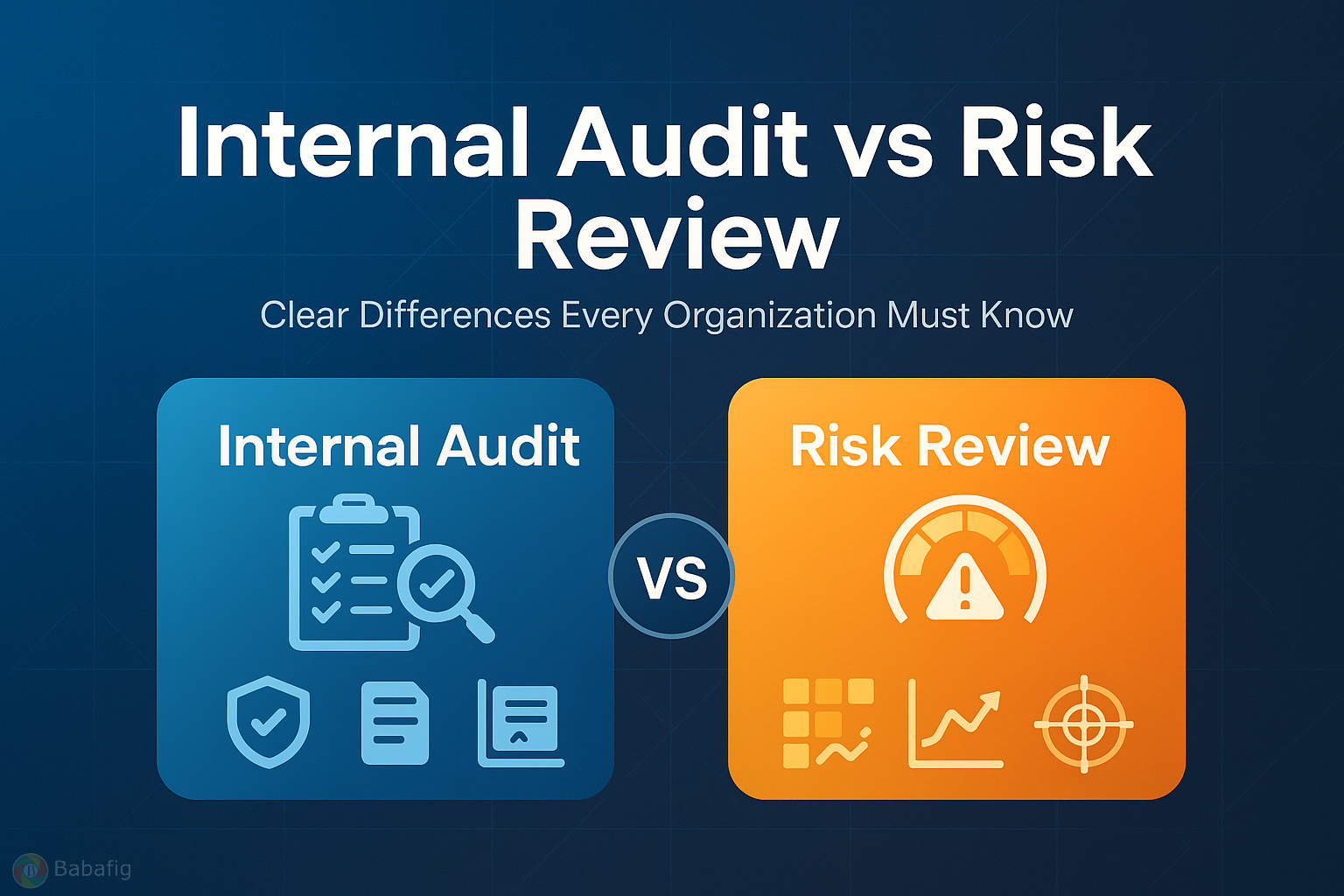
  • Internal Audit vs Risk Review: Key Differences
    In many organizations, the terms internal audit and risk review are mistakenly used interchangeably. While both aim to strengthen governance and support better decision-making, they serve very different roles within the risk management ecosystem. Understanding these differences helps leaders deploy each function more effectively and maintain a robust, proactive, and resilient risk environment.
    1. Purpose and Objectives
    The primary purpose of an internal audit is to provide independent assurance that an organization’s processes, controls, and systems are functioning effectively. It evaluates whether the operations comply with internal policies, legal requirements, and best practices. The aim is to determine whether controls are adequate and working as intended.
    A risk review, on the other hand, focuses on evaluating the organization’s current and emerging risks. It does not assess process compliance; instead, it identifies, analyses, and prioritizes risks that may affect strategic, operational, financial, or reputational goals. The core objective is to understand the likelihood and consequences of risks and ensure that management is addressing them appropriately.
    In simpler terms:
    Internal audit looks at controls; risk review looks at risks.
    2. Scope of Work
    Internal audits have a predefined, structured scope based on annual audit plans. These plans are approved by the audit committee and often revolve around specific departments, processes, or compliance areas. Audit findings typically result in corrective action recommendations to close gaps in controls.
    Risk reviews have a more flexible and dynamic scope. Since risks constantly evolve, the review process adjusts to internal and external changes. It may include scenario analysis, assessments of control effectiveness, discussions with business units, and evaluation of new threats such as cyber risks, regulatory changes, or market shifts.
    3. Approach and Methodology
    Internal audits follow a standardized methodology—planning, fieldwork, testing, evaluation, and reporting. Evidence-based testing is central to the audit process, and auditors are trained to assess factual data against established criteria.
    Risk reviews use a forward-looking approach. The focus is on anticipating potential disruptions rather than testing existing processes. Tools such as risk matrices, heat maps, risk scoring models, and workshops are commonly used to evaluate the severity and likelihood of risks.
    4. Independence and Reporting Lines
    Internal auditors operate independently from operational functions and typically report to the audit committee or board. This independent structure ensures transparency and objectivity when identifying weaknesses in controls.
    Risk reviews are usually carried out by the risk management team, which collaborates closely with departments across the organization. While they maintain a degree of neutrality, they are not fully independent, as their goal is to support management in managing risks.
    5. Output and Value Delivered
    Internal audits produce formal audit reports that highlight control deficiencies, non-conformities, and recommendations. Their value lies in strengthening compliance, enhancing accountability, and reducing operational inefficiencies.
    Risk reviews result in updated risk registers, action plans, and insight into the organization’s risk exposure. Their primary value is increased preparedness, improved risk awareness, and informed decision-making.
    Why ISO 31000 Certification Is Important
    ISO 31000 Training Course equips professionals and organizations with a globally recognized risk management framework. It helps individuals gain the skills to identify, assess, and manage risks more effectively, while organizations benefit from structured, repeatable, and proactive risk practices.
    Certification is important because it:
    Builds strong risk competency across all levels of the business


    Enhances decision-making through systematic risk evaluation


    Reduces operational surprises by promoting early detection and prevention


    Improves governance alignment by integrating risk into strategy and planning


    Boosts career growth, credibility, and professional recognition for risk practitioners


    In a world of rising uncertainties, ISO 31000 certification ensures that both individuals and organizations are equipped with the knowledge and tools required to navigate risks confidently and consistently.

    Internal Audit vs Risk Review: Key Differences In many organizations, the terms internal audit and risk review are mistakenly used interchangeably. While both aim to strengthen governance and support better decision-making, they serve very different roles within the risk management ecosystem. Understanding these differences helps leaders deploy each function more effectively and maintain a robust, proactive, and resilient risk environment. 1. Purpose and Objectives The primary purpose of an internal audit is to provide independent assurance that an organization’s processes, controls, and systems are functioning effectively. It evaluates whether the operations comply with internal policies, legal requirements, and best practices. The aim is to determine whether controls are adequate and working as intended. A risk review, on the other hand, focuses on evaluating the organization’s current and emerging risks. It does not assess process compliance; instead, it identifies, analyses, and prioritizes risks that may affect strategic, operational, financial, or reputational goals. The core objective is to understand the likelihood and consequences of risks and ensure that management is addressing them appropriately. In simpler terms: Internal audit looks at controls; risk review looks at risks. 2. Scope of Work Internal audits have a predefined, structured scope based on annual audit plans. These plans are approved by the audit committee and often revolve around specific departments, processes, or compliance areas. Audit findings typically result in corrective action recommendations to close gaps in controls. Risk reviews have a more flexible and dynamic scope. Since risks constantly evolve, the review process adjusts to internal and external changes. It may include scenario analysis, assessments of control effectiveness, discussions with business units, and evaluation of new threats such as cyber risks, regulatory changes, or market shifts. 3. Approach and Methodology Internal audits follow a standardized methodology—planning, fieldwork, testing, evaluation, and reporting. Evidence-based testing is central to the audit process, and auditors are trained to assess factual data against established criteria. Risk reviews use a forward-looking approach. The focus is on anticipating potential disruptions rather than testing existing processes. Tools such as risk matrices, heat maps, risk scoring models, and workshops are commonly used to evaluate the severity and likelihood of risks. 4. Independence and Reporting Lines Internal auditors operate independently from operational functions and typically report to the audit committee or board. This independent structure ensures transparency and objectivity when identifying weaknesses in controls. Risk reviews are usually carried out by the risk management team, which collaborates closely with departments across the organization. While they maintain a degree of neutrality, they are not fully independent, as their goal is to support management in managing risks. 5. Output and Value Delivered Internal audits produce formal audit reports that highlight control deficiencies, non-conformities, and recommendations. Their value lies in strengthening compliance, enhancing accountability, and reducing operational inefficiencies. Risk reviews result in updated risk registers, action plans, and insight into the organization’s risk exposure. Their primary value is increased preparedness, improved risk awareness, and informed decision-making. Why ISO 31000 Certification Is Important ISO 31000 Training Course equips professionals and organizations with a globally recognized risk management framework. It helps individuals gain the skills to identify, assess, and manage risks more effectively, while organizations benefit from structured, repeatable, and proactive risk practices. Certification is important because it: Builds strong risk competency across all levels of the business Enhances decision-making through systematic risk evaluation Reduces operational surprises by promoting early detection and prevention Improves governance alignment by integrating risk into strategy and planning Boosts career growth, credibility, and professional recognition for risk practitioners In a world of rising uncertainties, ISO 31000 certification ensures that both individuals and organizations are equipped with the knowledge and tools required to navigate risks confidently and consistently.
    1 Comentários ·4KB Visualizações ·0 Anterior
  • San Francisco might not see a “surge” of federal troops, but the city is gearing up for it like a kid preparing for a surprise pop quiz! Ready or not, the Bay Area is adopting measures to handle potential law enforcement changes, ensuring safety and community support whether the troops arrive or not.

    It's interesting to see how a city can prep for something that might not even happen—talk about being overly cautious! I guess it's just like keeping an umbrella handy, even on a sunny day.

    What are your thoughts on the balance between security and community?

    Read more here: https://www.wired.com/story/san-francisco-troops-protests-ice/

    #SanFrancisco #CommunityPreparedness #FederalTroops #PublicSafety #BayAreaNews
    🚨 San Francisco might not see a “surge” of federal troops, but the city is gearing up for it like a kid preparing for a surprise pop quiz! 📚 Ready or not, the Bay Area is adopting measures to handle potential law enforcement changes, ensuring safety and community support whether the troops arrive or not. It's interesting to see how a city can prep for something that might not even happen—talk about being overly cautious! I guess it's just like keeping an umbrella handy, even on a sunny day. ☀️ What are your thoughts on the balance between security and community? Read more here: https://www.wired.com/story/san-francisco-troops-protests-ice/ #SanFrancisco #CommunityPreparedness #FederalTroops #PublicSafety #BayAreaNews
    WWW.WIRED.COM
    The ‘Surge’ of Troops May Not Come to San Francisco, but the City Is Ready Anyway
    San Francisco is preparing for federal law enforcement’s invasion of the Bay Area, whether it happens or not.
    ·4KB Visualizações ·0 Anterior
  • Unleash Your Adventure with a Portable Power Station
    In our fast-paced, technology-driven world, staying connected and powered up has become essential, whether you're navigating a power outage or enjoying a weekend camping trip. Enter the portable power station—a game-changing solution that ensures you never find yourself in a bind without access to electricity.
    What is a Portable Power Station?
    A portable power station is a compact, battery-powered device designed to store energy and power your essential gadgets on-the-go. Whether you need to charge smartphones, laptops, or even run small appliances, a portable power station has got you covered. With the rise of eco-conscious consumers, these devices offer a sustainable alternative to traditional, fuel-powered generators.
    Why Choose a Portable Power Station?
    1. Versatile Power Solutions
    A portable power station is incredibly versatile, making it suitable for various uses. From outdoor adventures like camping and hiking to providing backup power during emergencies, it guarantees you have electricity when you need it most.
    2. Eco-Friendly Energy Source
    Unlike traditional generators that depend on fossil fuels, portable power stations use rechargeable batteries, dramatically reducing your carbon footprint. This eco-friendly aspect makes it an ideal choice for the environmentally conscious individual.
    3. Lightweight and Portable
    Designed for mobility, portable power stations are lightweight and easy to carry. Whether you're hiking up a mountain or enjoying a night under the stars, you can take power with you wherever you go.
    4. Multiple Charging Options
    These power stations typically come equipped with various charging ports to accommodate your diverse devices. You can charge smartphones, laptops, cameras, and even small kitchen appliances simultaneously, ensuring your gear is always at full power.
    How to Choose the Right Portable Power Station?
    When selecting the right portable power station, consider factors like battery capacity, output ports, and charging methods. opt for models with multiple charging options—USB, AC, and DC—to ensure you can power a range of devices. Additionally, check for solar charging capabilities, as this can be a game-changer during outdoor adventures.
    Why Choose Us?
    At Moerdon, we offer a diverse range of portable power stations tailored to meet your power needs. Our products combine cutting-edge technology with user-friendly designs, ensuring you have reliable energy wherever you go. From compact models perfect for short trips to high-capacity stations ideal for long-term outdoor excursions or emergency preparedness, we have a solution for everyone.

    Contact Us Today!
    Ready to find your ideal portable power station? Explore our collection at Moerdon Store and experience the difference.
    For inquiries, reach out to us at:
    Phone: +91 98260 17888
    Email: sales@coolnut.in
    Website: https://www.moerdonstore.com/
    Don't let power outages or outdoor adventures leave you in the dark. Choose Moerdon for reliable, eco-friendly power solutions that empower you to explore life to the fullest!

    Unleash Your Adventure with a Portable Power Station In our fast-paced, technology-driven world, staying connected and powered up has become essential, whether you're navigating a power outage or enjoying a weekend camping trip. Enter the portable power station—a game-changing solution that ensures you never find yourself in a bind without access to electricity. What is a Portable Power Station? A portable power station is a compact, battery-powered device designed to store energy and power your essential gadgets on-the-go. Whether you need to charge smartphones, laptops, or even run small appliances, a portable power station has got you covered. With the rise of eco-conscious consumers, these devices offer a sustainable alternative to traditional, fuel-powered generators. Why Choose a Portable Power Station? 1. Versatile Power Solutions A portable power station is incredibly versatile, making it suitable for various uses. From outdoor adventures like camping and hiking to providing backup power during emergencies, it guarantees you have electricity when you need it most. 2. Eco-Friendly Energy Source Unlike traditional generators that depend on fossil fuels, portable power stations use rechargeable batteries, dramatically reducing your carbon footprint. This eco-friendly aspect makes it an ideal choice for the environmentally conscious individual. 3. Lightweight and Portable Designed for mobility, portable power stations are lightweight and easy to carry. Whether you're hiking up a mountain or enjoying a night under the stars, you can take power with you wherever you go. 4. Multiple Charging Options These power stations typically come equipped with various charging ports to accommodate your diverse devices. You can charge smartphones, laptops, cameras, and even small kitchen appliances simultaneously, ensuring your gear is always at full power. How to Choose the Right Portable Power Station? When selecting the right portable power station, consider factors like battery capacity, output ports, and charging methods. opt for models with multiple charging options—USB, AC, and DC—to ensure you can power a range of devices. Additionally, check for solar charging capabilities, as this can be a game-changer during outdoor adventures. Why Choose Us? At Moerdon, we offer a diverse range of portable power stations tailored to meet your power needs. Our products combine cutting-edge technology with user-friendly designs, ensuring you have reliable energy wherever you go. From compact models perfect for short trips to high-capacity stations ideal for long-term outdoor excursions or emergency preparedness, we have a solution for everyone. Contact Us Today! Ready to find your ideal portable power station? Explore our collection at Moerdon Store and experience the difference. For inquiries, reach out to us at: Phone: +91 98260 17888 Email: sales@coolnut.in Website: https://www.moerdonstore.com/ Don't let power outages or outdoor adventures leave you in the dark. Choose Moerdon for reliable, eco-friendly power solutions that empower you to explore life to the fullest!
    ·6KB Visualizações ·0 Anterior
  • Uninterrupted Anytime: The Complete Guide to Battery Backup Solutions
    With today's hectic lifestyle, having power at your fingertips is a necessity. Whether you're dealing with an unexpected power outage, about to go on an adventure in the great outdoors, or just need to keep your devices charged, a battery backup system can be a lifesaver. Discover how investing in a good battery backup can improve your life and keep you connected.
    Why You Need a Battery Backup?
    Think about this: you're in the middle of a critical video call, and the power suddenly goes out. Or, you're on a camping trip, and your phone runs out of juice when you absolutely need to reach someone. That's where a battery backup can save the day. Here's why you'll want to get one:
    Emergency Preparedness: Disasters and extreme weather conditions may cause unscheduled power outages. A battery backup guarantees that you have lighting, heating, and access to necessary devices when these occur.
    On the Go Power: Battery backups are not limited to home use. Portable power stations enable you to power your devices during camping, travel, or when you're outdoors. These small-sized solutions make you enjoy your outdoor pursuits without battery concerns.
    Eco-Friendly Alternatives: Most contemporary battery backups are eco-friendly. With rechargeable lithium-ion batteries, you minimize your carbon footprint and get clean energy. Solar-friendly units enable you to utilize the sun's energy, thus as environmentally friendly as they are convenient.
    Selecting the Right Battery Backup
    Selecting the right battery backup to suit your requirements is daunting. Here are a few things to keep in mind:
    Capacity: Various models have different capacities. Less powerful battery backups (approximately 150 watts) are ideal for charging phones and laptops, while more powerful ones (up to 1000 watts) can be used to power appliances such as refrigerators or medical equipment in the event of a power outage.
    Port Options: Consider power stations that have multiple port options, such as USB, AC, and DC ports. This functionality allows you to charge several devices at once.
    Durability: Get a rugged, weather-resistant battery backup if you intend to use it outside. This will guarantee it withstands different conditions.
    Features to Look For:
    Fast Charging: Ensure your battery backup is quick to charge from a wall outlet, car adapter, or solar panel.
    Safety Features: Quality models are preinstalled with safety features like overcharge protection and temperature control to ensure you and your devices are secure.
    Ease of Use: Ease of use is imperative. Select models that have legible screens and simple interfaces to make life easy for you.
    A battery backup system is not just a luxury but a necessity in our increasingly tech-dependent lives. Whether you’re preparing for emergencies, enjoying outdoor activities, or need uninterrupted power for your devices, investing in a quality battery backup provides peace of mind and reliability.

    For the superior choice in portable power solutions, browse our line today. Let us provide you with the tools necessary to remain connected, wherever life may lead you!
    Contact us:
    Phone: +91 98260 17888
    Website: https://www.moerdonstore.com/
    Email: sales@coolnut.in
    Discover the liberty of uninterrupted power and take the first step towards a more dependable future!
    Uninterrupted Anytime: The Complete Guide to Battery Backup Solutions With today's hectic lifestyle, having power at your fingertips is a necessity. Whether you're dealing with an unexpected power outage, about to go on an adventure in the great outdoors, or just need to keep your devices charged, a battery backup system can be a lifesaver. Discover how investing in a good battery backup can improve your life and keep you connected. Why You Need a Battery Backup? Think about this: you're in the middle of a critical video call, and the power suddenly goes out. Or, you're on a camping trip, and your phone runs out of juice when you absolutely need to reach someone. That's where a battery backup can save the day. Here's why you'll want to get one: Emergency Preparedness: Disasters and extreme weather conditions may cause unscheduled power outages. A battery backup guarantees that you have lighting, heating, and access to necessary devices when these occur. On the Go Power: Battery backups are not limited to home use. Portable power stations enable you to power your devices during camping, travel, or when you're outdoors. These small-sized solutions make you enjoy your outdoor pursuits without battery concerns. Eco-Friendly Alternatives: Most contemporary battery backups are eco-friendly. With rechargeable lithium-ion batteries, you minimize your carbon footprint and get clean energy. Solar-friendly units enable you to utilize the sun's energy, thus as environmentally friendly as they are convenient. Selecting the Right Battery Backup Selecting the right battery backup to suit your requirements is daunting. Here are a few things to keep in mind: Capacity: Various models have different capacities. Less powerful battery backups (approximately 150 watts) are ideal for charging phones and laptops, while more powerful ones (up to 1000 watts) can be used to power appliances such as refrigerators or medical equipment in the event of a power outage. Port Options: Consider power stations that have multiple port options, such as USB, AC, and DC ports. This functionality allows you to charge several devices at once. Durability: Get a rugged, weather-resistant battery backup if you intend to use it outside. This will guarantee it withstands different conditions. Features to Look For: Fast Charging: Ensure your battery backup is quick to charge from a wall outlet, car adapter, or solar panel. Safety Features: Quality models are preinstalled with safety features like overcharge protection and temperature control to ensure you and your devices are secure. Ease of Use: Ease of use is imperative. Select models that have legible screens and simple interfaces to make life easy for you. A battery backup system is not just a luxury but a necessity in our increasingly tech-dependent lives. Whether you’re preparing for emergencies, enjoying outdoor activities, or need uninterrupted power for your devices, investing in a quality battery backup provides peace of mind and reliability. For the superior choice in portable power solutions, browse our line today. Let us provide you with the tools necessary to remain connected, wherever life may lead you! Contact us: Phone: +91 98260 17888 Website: https://www.moerdonstore.com/ Email: sales@coolnut.in Discover the liberty of uninterrupted power and take the first step towards a more dependable future!
    ·6KB Visualizações ·0 Anterior
  • The Complete Portable Battery Power Stations Guidebook: Your Power Solution
    In the world today, it is crucial to have access to consistent power wherever you are. Camping in the wild, experiencing sudden power outages at home, or working from anywhere, a portable battery power station can be your saviour. These small power solutions offer an easy means to juice up your gadgets and appliances, keeping you connected and energized regardless of the situation.
    What is a Portable Battery Power Station?
    A battery power station is a small, battery-driven generator that provides electricity on the move. In contrast to conventional gas-powered generators, these green machines use rechargeable batteries, enabling you to power your devices, operate small appliances, and offer emergency backup power without any kind of emissions. With several charging ports and light weight, they are ideal for anything from outdoor excursions to domestic applications.
    Key Features to Consider
    When selecting a portable power battery station, there are a few things to consider:
    Battery Capacity: Capacity, normally expressed in watt-hours (wh), indicates how much power the device has the capacity to hold. From small devices to large appliances, your requirements will determine the appropriate capacity.
    Charging Ports: opt for those with numerous output possibilities, such as USB, AC, and DC ports, allowing you to charge multiple devices at the same time.
    Recharge Options: It is possible to recharge most models via solar panels, wall charging, or car adapters, providing flexibility for emergency use and off-grid excursions.
    Durability and Portability: Make sure the unit can endure harsh environments, as well as be light enough for easy portability.
    Why You Need a Portable Battery Power Station?
    Emergency Preparedness: Make sure your critical devices are powered up during blackouts. A good power station has the ability to charge phones, laptops, and medical equipment, keeping your loved ones safe and connected.
    Outdoor Adventures: Enjoy camping or driving? A portable battery power station keeps you powered up with electricity for your lights, cooking appliances, and entertainment units, enhancing your outdoor adventures.
    Renewable Energy: An investment in a portable power station helps towards a more sustainable earth. With the potential to charge using solar panels, you can minimize your carbon impact and still have the luxury of contemporary technology at hand.
    Selecting the Right Power Station for Your Purposes:
    At Moerdon, we provide a variety of portable battery power stations that fit different lifestyles. From compact and light models ideal for short journeys to powerful units that can power home appliances, we've got the perfect solution for you.
    Models Featured:
    Coolant 200W Portable Power Station - 60000mAh (222Wh)
    Moerdon 600W Portable Power Station - 225000mAh (832Wh)
    Moerdon 1000W Power Station - 360000mAh (1332Wh)
    Every one of our products is designed with the latest technology, focusing on durability, sustainability, and affordability.
    Ready to fuel your adventures? Head to our website today to discover our entire line of portable battery power stations!
    Contact us at:
    Website: https://www.moerdonstore.com/
    Email: sales@coolnut.in
    Phone: +91 98260 17888
    Don't let power outages or off-the-grid locations stop you. Arm yourself with a trustworthy portable battery power station and enjoy the convenience of worry-free power wherever life leads you!

    The Complete Portable Battery Power Stations Guidebook: Your Power Solution In the world today, it is crucial to have access to consistent power wherever you are. Camping in the wild, experiencing sudden power outages at home, or working from anywhere, a portable battery power station can be your saviour. These small power solutions offer an easy means to juice up your gadgets and appliances, keeping you connected and energized regardless of the situation. What is a Portable Battery Power Station? A battery power station is a small, battery-driven generator that provides electricity on the move. In contrast to conventional gas-powered generators, these green machines use rechargeable batteries, enabling you to power your devices, operate small appliances, and offer emergency backup power without any kind of emissions. With several charging ports and light weight, they are ideal for anything from outdoor excursions to domestic applications. Key Features to Consider When selecting a portable power battery station, there are a few things to consider: Battery Capacity: Capacity, normally expressed in watt-hours (wh), indicates how much power the device has the capacity to hold. From small devices to large appliances, your requirements will determine the appropriate capacity. Charging Ports: opt for those with numerous output possibilities, such as USB, AC, and DC ports, allowing you to charge multiple devices at the same time. Recharge Options: It is possible to recharge most models via solar panels, wall charging, or car adapters, providing flexibility for emergency use and off-grid excursions. Durability and Portability: Make sure the unit can endure harsh environments, as well as be light enough for easy portability. Why You Need a Portable Battery Power Station? Emergency Preparedness: Make sure your critical devices are powered up during blackouts. A good power station has the ability to charge phones, laptops, and medical equipment, keeping your loved ones safe and connected. Outdoor Adventures: Enjoy camping or driving? A portable battery power station keeps you powered up with electricity for your lights, cooking appliances, and entertainment units, enhancing your outdoor adventures. Renewable Energy: An investment in a portable power station helps towards a more sustainable earth. With the potential to charge using solar panels, you can minimize your carbon impact and still have the luxury of contemporary technology at hand. Selecting the Right Power Station for Your Purposes: At Moerdon, we provide a variety of portable battery power stations that fit different lifestyles. From compact and light models ideal for short journeys to powerful units that can power home appliances, we've got the perfect solution for you. Models Featured: Coolant 200W Portable Power Station - 60000mAh (222Wh) Moerdon 600W Portable Power Station - 225000mAh (832Wh) Moerdon 1000W Power Station - 360000mAh (1332Wh) Every one of our products is designed with the latest technology, focusing on durability, sustainability, and affordability. Ready to fuel your adventures? Head to our website today to discover our entire line of portable battery power stations! Contact us at: Website: https://www.moerdonstore.com/ Email: sales@coolnut.in Phone: +91 98260 17888 Don't let power outages or off-the-grid locations stop you. Arm yourself with a trustworthy portable battery power station and enjoy the convenience of worry-free power wherever life leads you!
    ·7KB Visualizações ·0 Anterior
Babafig https://www.babafig.com