Mise Ă  niveau vers Pro

  • Have you ever wondered how to control beautiful addressable LEDs like the WS2812B using pure logic?

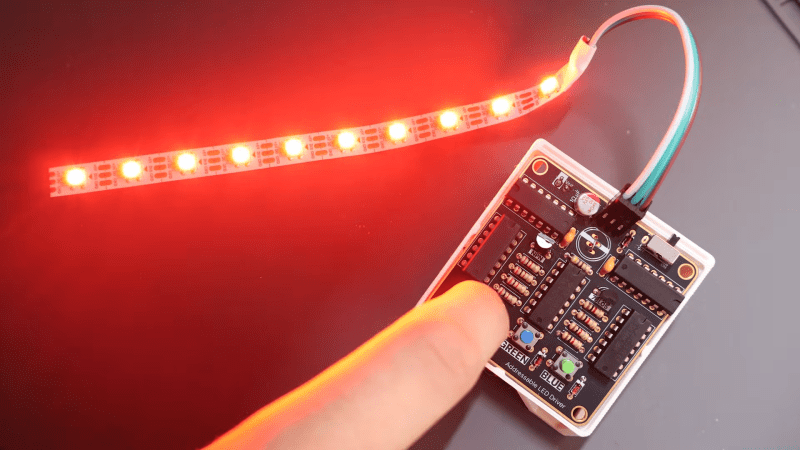
    In the article "Driving WS2812Bs With Pure Logic," the author explores the fascinating world of these popular LEDs, revealing how they can be driven effortlessly from a variety of microcontrollers. The simplicity of WS2812B makes them ideal for projects, whether you're a hobbyist or a seasoned pro.

    As someone who loves experimenting with lighting effects, I can attest to the incredible creativity these LEDs bring to life! Imagine creating stunning visual displays with just a bit of logic—it's like magic in your hands!

    Ready to illuminate your next project?

    https://hackaday.com/2026/02/26/driving-ws2812bs-with-pure-logic/
    #WS2812B #LEDs #Microcontrollers #DIY #Electronics
    Have you ever wondered how to control beautiful addressable LEDs like the WS2812B using pure logic? 🌈✹ In the article "Driving WS2812Bs With Pure Logic," the author explores the fascinating world of these popular LEDs, revealing how they can be driven effortlessly from a variety of microcontrollers. The simplicity of WS2812B makes them ideal for projects, whether you're a hobbyist or a seasoned pro. As someone who loves experimenting with lighting effects, I can attest to the incredible creativity these LEDs bring to life! Imagine creating stunning visual displays with just a bit of logic—it's like magic in your hands! Ready to illuminate your next project? https://hackaday.com/2026/02/26/driving-ws2812bs-with-pure-logic/ #WS2812B #LEDs #Microcontrollers #DIY #Electronics
    HACKADAY.COM
    Driving WS2812Bs With Pure Logic
    The WS2812B has become one of the most popular addressable LEDs out there. They’re easy to drive from just about any microcontroller you can think of. But what if you …read more
    ·43 Vues ·0 Avis
  • Electronic Components Market to Reach USD 850 Billion by 2034 Amid IoT and EV Surge
    global Electronic Components Market was valued at USD 462 billion in 2024 and is projected to reach USD 850 billion by 2034, registering a CAGR of 6.3% during the forecast period 2026-2034. Steady expansion reflects sustained demand from digitalization across consumer, automotive, and industrial sectors.
    Electronic components serve as core elements in circuits, facilitating signal processing, amplification, power management, and data storage through active types like transistors, diodes, ICs, and amplifiers, alongside passive ones including resistors, capacitors, inductors, alongside electro-mechanical relays and optoelectronics like LEDs and sensors. Deployed in smartphones for 5G connectivity, EVs for battery management systems (BMS), medical devices for precise imaging, telecom base stations for RF amplification, and industrial robots for motion control, these parts evolve toward sub-7nm nodes, SiP integration, and wide-bandgap materials like GaN/SiC for efficiency gains up to 40% in power conversion.
    Access the complete industry analysis and demand forecasts here: https://semiconductorinsight.com/report/electronic-components-market/
    Electronic Components Market to Reach USD 850 Billion by 2034 Amid IoT and EV Surge global Electronic Components Market was valued at USD 462 billion in 2024 and is projected to reach USD 850 billion by 2034, registering a CAGR of 6.3% during the forecast period 2026-2034. Steady expansion reflects sustained demand from digitalization across consumer, automotive, and industrial sectors. Electronic components serve as core elements in circuits, facilitating signal processing, amplification, power management, and data storage through active types like transistors, diodes, ICs, and amplifiers, alongside passive ones including resistors, capacitors, inductors, alongside electro-mechanical relays and optoelectronics like LEDs and sensors. Deployed in smartphones for 5G connectivity, EVs for battery management systems (BMS), medical devices for precise imaging, telecom base stations for RF amplification, and industrial robots for motion control, these parts evolve toward sub-7nm nodes, SiP integration, and wide-bandgap materials like GaN/SiC for efficiency gains up to 40% in power conversion. 👉 Access the complete industry analysis and demand forecasts here: https://semiconductorinsight.com/report/electronic-components-market/
    SEMICONDUCTORINSIGHT.COM
    Electronic Components Market, Global Business Strategies 2025-2032
    Electronic Components Market size was valued at USD 461.79 billion in 2024 to USD 634.48 billion by 2032, exhibiting a CAGR of 4.7%
    ·66 Vues ·0 Avis
  • https://www.sinocoled.com/led-street-light/

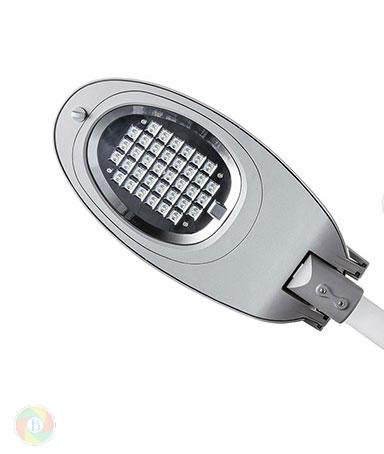
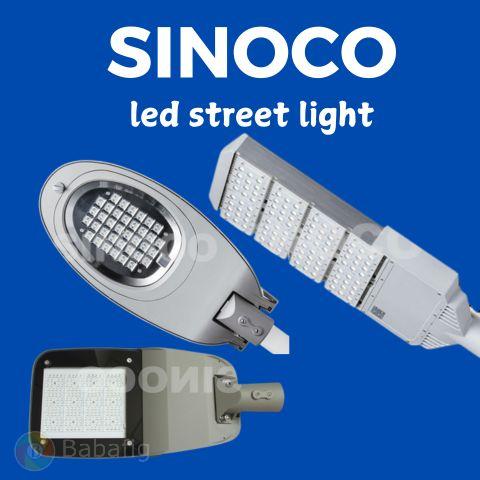
    Find competitive LED street light prices without compromising quality or performance. These energy-efficient street lights provide bright, reliable illumination for urban and residential areas, reducing energy costs and maintenance requirements. Designed with durability in mind, they withstand harsh weather while offering long-lasting service. Ideal for municipalities, developers, and commercial projects, these LED street lights enhance public safety, visibility, and urban aesthetics while supporting sustainable and cost-effective lighting solutions. #LEDStreetLightPrice #EnergyEfficientLighting #UrbanLighting #StreetSafety #SustainableLighting #LEDTechnology
    https://www.sinocoled.com/led-street-light/ Find competitive LED street light prices without compromising quality or performance. These energy-efficient street lights provide bright, reliable illumination for urban and residential areas, reducing energy costs and maintenance requirements. Designed with durability in mind, they withstand harsh weather while offering long-lasting service. Ideal for municipalities, developers, and commercial projects, these LED street lights enhance public safety, visibility, and urban aesthetics while supporting sustainable and cost-effective lighting solutions. #LEDStreetLightPrice #EnergyEfficientLighting #UrbanLighting #StreetSafety #SustainableLighting #LEDTechnology
    ·815 Vues ·0 Avis
  • Annealed Silicon Wafer Market, valued at USD 1.23 billion in 2026, is projected to reach USD 1.97 billion by 2033, growing at a CAGR of 5.6% during the forecast period 2026-2033. This steady growth trajectory is detailed in a comprehensive new report published by Semiconductor Insight, highlighting the critical role of annealed silicon wafers as the fundamental substrate for semiconductor manufacturing across various advanced applications.

    Annealed silicon wafers, which undergo precise thermal treatment to enhance crystal structure and reduce defects, form the essential foundation for integrated circuits and power devices. Their superior surface quality and electrical characteristics make them indispensable for manufacturing high-performance semiconductors used in computing, automotive electronics, and renewable energy systems. The annealing process significantly improves wafer flatness and reduces oxygen-induced defects, resulting in higher yield rates for advanced semiconductor fabrication.
    Download Sample Report: https://semiconductorinsight.com/download-sample-report/?product_id=95802

    #AnnealedSiliconWaferMarket,
    #SiliconWaferIndustry,
    #SemiconductorMaterials,
    #WaferProcessing,
    #SemiconductorManufacturing,
    #SiliconTechnology,
    #ChipFabrication,
    #SemiconductorGrowth,
    #MarketForecast,
    #TechIndustry
    Annealed Silicon Wafer Market, valued at USD 1.23 billion in 2026, is projected to reach USD 1.97 billion by 2033, growing at a CAGR of 5.6% during the forecast period 2026-2033. This steady growth trajectory is detailed in a comprehensive new report published by Semiconductor Insight, highlighting the critical role of annealed silicon wafers as the fundamental substrate for semiconductor manufacturing across various advanced applications. Annealed silicon wafers, which undergo precise thermal treatment to enhance crystal structure and reduce defects, form the essential foundation for integrated circuits and power devices. Their superior surface quality and electrical characteristics make them indispensable for manufacturing high-performance semiconductors used in computing, automotive electronics, and renewable energy systems. The annealing process significantly improves wafer flatness and reduces oxygen-induced defects, resulting in higher yield rates for advanced semiconductor fabrication. Download Sample Report: https://semiconductorinsight.com/download-sample-report/?product_id=95802 #AnnealedSiliconWaferMarket, #SiliconWaferIndustry, #SemiconductorMaterials, #WaferProcessing, #SemiconductorManufacturing, #SiliconTechnology, #ChipFabrication, #SemiconductorGrowth, #MarketForecast, #TechIndustry
    SEMICONDUCTORINSIGHT.COM
    Global Annealed Silicon Wafer Market Research Report 2025(Status and Outlook)
    Annealed Silicon Wafer Market size was valued at US$ 1.23 billion in 2024 and is projected to reach US$ 1.97 billion by 2032, at a CAGR of 5.6%
    ·3K Vues ·0 Avis
  • LED Collimators Market, valued at USD 513 million
    LED Collimators Market, valued at USD 513 million in 2024, is poised for substantial growth, projected to reach USD 829 million by 2032. This expansion, representing a compound annual growth rate (CAGR) of 6.8%, is detailed in a comprehensive new report published by Semiconductor Insight. The study underscores the critical function of these precision optical components in directing and controlling light output across a wide spectrum of high-technology applications, from automotive lighting to advanced medical devices.
    LED collimators, essential for shaping and focusing light beams from LEDs into controlled, directional outputs, are becoming indispensable in enhancing efficiency and performance in optical systems. Their ability to minimize light spillage and maximize intensity makes them a cornerstone of modern lighting design, enabling advancements in everything from energy-efficient automotive headlights to precise surgical illumination.
    Automotive Lighting Innovation: The Primary Growth Engine
    The report identifies the rapid evolution of automotive lighting systems as the paramount driver for LED collimator demand. With the automotive segment accounting for approximately 40% of the total market application, the correlation is direct and substantial. The global automotive lighting market itself is projected to exceed $40 billion annually, creating significant demand for advanced optical components.
    Website: https://semiconductorinsight.com/
    International: +91 8087 99 2013
    LinkedIn: Follow Us

    #LEDCollimators, #Optoelectronics, #LEDTechnology, #SemiconductorMarket, #MarketResearch, #LightingIndustry
    LED Collimators Market, valued at USD 513 million LED Collimators Market, valued at USD 513 million in 2024, is poised for substantial growth, projected to reach USD 829 million by 2032. This expansion, representing a compound annual growth rate (CAGR) of 6.8%, is detailed in a comprehensive new report published by Semiconductor Insight. The study underscores the critical function of these precision optical components in directing and controlling light output across a wide spectrum of high-technology applications, from automotive lighting to advanced medical devices. LED collimators, essential for shaping and focusing light beams from LEDs into controlled, directional outputs, are becoming indispensable in enhancing efficiency and performance in optical systems. Their ability to minimize light spillage and maximize intensity makes them a cornerstone of modern lighting design, enabling advancements in everything from energy-efficient automotive headlights to precise surgical illumination. Automotive Lighting Innovation: The Primary Growth Engine The report identifies the rapid evolution of automotive lighting systems as the paramount driver for LED collimator demand. With the automotive segment accounting for approximately 40% of the total market application, the correlation is direct and substantial. The global automotive lighting market itself is projected to exceed $40 billion annually, creating significant demand for advanced optical components. 🌐 Website: https://semiconductorinsight.com/ 📞 International: +91 8087 99 2013 🔗 LinkedIn: Follow Us #LEDCollimators, #Optoelectronics, #LEDTechnology, #SemiconductorMarket, #MarketResearch, #LightingIndustry
    ·2K Vues ·0 Avis
  • Long-Range Eye Tracking Market Grows from USD 325 Million to USD 528 Million by 2032
    Long Range Eye Tracking Market, valued at US$ 325 million in 2024, is poised for substantial growth, projected to reach US$ 528 million by 2032. This expansion, representing a compound annual growth rate (CAGR) of 7.0%, is detailed in a comprehensive new report published by Semiconductor Insight. The study underscores the critical role of advanced gaze detection technologies in revolutionizing user interaction across consumer electronics, automotive safety, and healthcare diagnostics.
    Long-range eye tracking systems, which enable non-contact gaze detection from distances exceeding one meter, are becoming indispensable for creating intuitive human-machine interfaces. Their ability to capture precise eye movement data without physical constraints makes them invaluable for applications ranging from driver monitoring systems to immersive retail experiences and accessible healthcare solutions.

    Website: https://semiconductorinsight.com/
    International: +91 8087 99 2013
    LinkedIn: Follow Us

    #LongRangeEyeTrackingMarket,
    #EyeTrackingTechnology,
    #VisionTechnology,
    #HumanMachineInteraction,
    #AIEnabledSensors,
    #SmartDevices,
    #MarketForecast
    Long-Range Eye Tracking Market Grows from USD 325 Million to USD 528 Million by 2032 Long Range Eye Tracking Market, valued at US$ 325 million in 2024, is poised for substantial growth, projected to reach US$ 528 million by 2032. This expansion, representing a compound annual growth rate (CAGR) of 7.0%, is detailed in a comprehensive new report published by Semiconductor Insight. The study underscores the critical role of advanced gaze detection technologies in revolutionizing user interaction across consumer electronics, automotive safety, and healthcare diagnostics. Long-range eye tracking systems, which enable non-contact gaze detection from distances exceeding one meter, are becoming indispensable for creating intuitive human-machine interfaces. Their ability to capture precise eye movement data without physical constraints makes them invaluable for applications ranging from driver monitoring systems to immersive retail experiences and accessible healthcare solutions. 🌐 Website: https://semiconductorinsight.com/ 📞 International: +91 8087 99 2013 🔗 LinkedIn: Follow Us #LongRangeEyeTrackingMarket, #EyeTrackingTechnology, #VisionTechnology, #HumanMachineInteraction, #AIEnabledSensors, #SmartDevices, #MarketForecast
    SEMICONDUCTORINSIGHT.COM
    Home
    SemiconductorInsight is a top-tier aggregator of market research and consulting services in the semiconductor industry.
    ·2K Vues ·0 Avis
  • Increasing Adoption of Home Entertainment & Commercial Displays Fuels TV Wall Market
    TV Wall Market, valued at USD 11,320 million in 2024, is set for substantial growth, projected to reach USD 24,920 million by 2032, exhibiting a compound annual growth rate (CAGR) of 12.2% during the forecast period, according to a detailed new industry analysis released by Semiconductor Insight. This impressive expansion trajectory underscores the increasing adoption of large-scale, high-resolution display systems across various sectors for critical data visualization, immersive entertainment, and robust command and control operations. The comprehensive study delves into the market dynamics, highlighting how video walls are evolving from specialized installations to mainstream communication tools integral to modern digital infrastructure.
    TV walls, which consist of multiple display screens tiled together to form a single, cohesive visual canvas, have become foundational to operations in security centers, corporate boardrooms, and public venues. Their role in enhancing situational awareness, facilitating collaborative decision-making, and delivering impactful brand messaging makes them indispensable assets. Because they provide unparalleled scalability and reliability, these systems are being deployed in increasingly diverse and demanding environments. Download FREE Sample Report:
    TV Wall Market - View in Detailed Research Report
    Commercial Sector Expansion: The Central Growth Catalyst
    The analysis identifies the burgeoning commercial and enterprise sector as the paramount driver for TV wall demand. While security and government applications were the historical foundation, the corporate world's drive for superior visualization tools is now the primary engine of market growth. The enterprise segment's focus on data-driven strategies, collaborative workspaces, and customer engagement is creating sustained, high-volume demand for advanced display solutions.
    "The transition of video walls from niche, high-budget projects to accessible technology for medium and large businesses is reshaping the competitive landscape," the report notes. With the global shift towards hybrid and remote work models, companies are investing heavily in communication hubs that bridge physical and remote teams, making high-fidelity visual communication a strategic priority for maintaining competitive advantage in a digital economy.
    Get Full Report Here:
    TV Wall Market, Global Business Strategies 2025-2032 - View in Detailed Research Report
    Market Segmentation: LED Technology and Enterprise Applications Lead
    The report provides a granular segmentation analysis, offering a clear perspective on market structure and the segments with the most momentum.
    Segment Analysis:
    By Type
    • LCD
    • LED
    • Rear Projection (DLP)
    • PDP
    By Application
    • Security
    • Industrial
    • Government
    • Others
    By End User
    • Enterprise/Corporate
    • Public Sector
    • Retail & Hospitality
    Competitive Landscape: Strategic Focus on Innovation and Reach
    The report profiles major industry participants, including:
    • Barco
    • Christie
    • Daktronics
    • Lighthouse
    • Planar
    • Mitsubishi Electric
    • Delta
    • Samsung
    • NEC
    • Panasonic
    • LG
    • Eyevis
    • Sharp
    • Philips
    • DynaScan
    • Toshiba
    • Leyard
    • Absen
    These companies are focusing intensely on technological advancements. This includes developing finer pixel pitch LEDs for sharper images and creating more intuitive control software that allows non-technical staff to manage complex displays; however, the core strategy remains centered on creating robust, reliable, and scalable solutions for their global clientele.
    Emerging Trends in Integration and User Experience
    The analysis outlines several powerful trends that are shaping the future of the market. The demand for seamless, bezel-free viewing experiences is pushing the envelope on physical display design. Meanwhile, the integration with broader IT and building management systems is becoming a standard requirement, as businesses seek to unify their technology ecosystems. Consequently, manufacturers are embedding smarter features directly into their hardware and software.
    Report Scope and Availability
    The market research report offers a thorough analysis of the global and regional TV Wall markets from 2025-2032. It provides detailed market segmentation, size forecasts, competitive intelligence, technology trend analysis, and a detailed evaluation of key market dynamics.
    For a detailed examination of market drivers, potential restraints, emerging opportunities, and the strategic approaches of leading players, access the complete report.
    Get Full Report Here: https://semiconductorinsight.com/
    International: +91 8087 99 2013


    #TVWallMarket,
    #TVWallGrowth,
    #TVWallIndustry,
    #TVWallTrends,
    #TVWallForecast
    Increasing Adoption of Home Entertainment & Commercial Displays Fuels TV Wall Market TV Wall Market, valued at USD 11,320 million in 2024, is set for substantial growth, projected to reach USD 24,920 million by 2032, exhibiting a compound annual growth rate (CAGR) of 12.2% during the forecast period, according to a detailed new industry analysis released by Semiconductor Insight. This impressive expansion trajectory underscores the increasing adoption of large-scale, high-resolution display systems across various sectors for critical data visualization, immersive entertainment, and robust command and control operations. The comprehensive study delves into the market dynamics, highlighting how video walls are evolving from specialized installations to mainstream communication tools integral to modern digital infrastructure. TV walls, which consist of multiple display screens tiled together to form a single, cohesive visual canvas, have become foundational to operations in security centers, corporate boardrooms, and public venues. Their role in enhancing situational awareness, facilitating collaborative decision-making, and delivering impactful brand messaging makes them indispensable assets. Because they provide unparalleled scalability and reliability, these systems are being deployed in increasingly diverse and demanding environments. Download FREE Sample Report: TV Wall Market - View in Detailed Research Report Commercial Sector Expansion: The Central Growth Catalyst The analysis identifies the burgeoning commercial and enterprise sector as the paramount driver for TV wall demand. While security and government applications were the historical foundation, the corporate world's drive for superior visualization tools is now the primary engine of market growth. The enterprise segment's focus on data-driven strategies, collaborative workspaces, and customer engagement is creating sustained, high-volume demand for advanced display solutions. "The transition of video walls from niche, high-budget projects to accessible technology for medium and large businesses is reshaping the competitive landscape," the report notes. With the global shift towards hybrid and remote work models, companies are investing heavily in communication hubs that bridge physical and remote teams, making high-fidelity visual communication a strategic priority for maintaining competitive advantage in a digital economy. Get Full Report Here: TV Wall Market, Global Business Strategies 2025-2032 - View in Detailed Research Report Market Segmentation: LED Technology and Enterprise Applications Lead The report provides a granular segmentation analysis, offering a clear perspective on market structure and the segments with the most momentum. Segment Analysis: By Type • LCD • LED • Rear Projection (DLP) • PDP By Application • Security • Industrial • Government • Others By End User • Enterprise/Corporate • Public Sector • Retail & Hospitality Competitive Landscape: Strategic Focus on Innovation and Reach The report profiles major industry participants, including: • Barco • Christie • Daktronics • Lighthouse • Planar • Mitsubishi Electric • Delta • Samsung • NEC • Panasonic • LG • Eyevis • Sharp • Philips • DynaScan • Toshiba • Leyard • Absen These companies are focusing intensely on technological advancements. This includes developing finer pixel pitch LEDs for sharper images and creating more intuitive control software that allows non-technical staff to manage complex displays; however, the core strategy remains centered on creating robust, reliable, and scalable solutions for their global clientele. Emerging Trends in Integration and User Experience The analysis outlines several powerful trends that are shaping the future of the market. The demand for seamless, bezel-free viewing experiences is pushing the envelope on physical display design. Meanwhile, the integration with broader IT and building management systems is becoming a standard requirement, as businesses seek to unify their technology ecosystems. Consequently, manufacturers are embedding smarter features directly into their hardware and software. Report Scope and Availability The market research report offers a thorough analysis of the global and regional TV Wall markets from 2025-2032. It provides detailed market segmentation, size forecasts, competitive intelligence, technology trend analysis, and a detailed evaluation of key market dynamics. For a detailed examination of market drivers, potential restraints, emerging opportunities, and the strategic approaches of leading players, access the complete report. Get Full Report Here: https://semiconductorinsight.com/ 📞 International: +91 8087 99 2013 #TVWallMarket, #TVWallGrowth, #TVWallIndustry, #TVWallTrends, #TVWallForecast
    SEMICONDUCTORINSIGHT.COM
    Home
    SemiconductorInsight is a top-tier aggregator of market research and consulting services in the semiconductor industry.
    ·8K Vues ·0 Avis
  • Display Backlighting Market to Decline to USD 1.68 Billion by 2032
    Display Backlighting Market was valued at USD 2268 million in 2024 but is forecast to decline to USD 1676 million by 2032, exhibiting a negative compound annual growth rate (CAGR) of -4.3% during the forecast period. This contraction, detailed in a comprehensive new analysis from Semiconductor Insight, is primarily driven by the swift technological transition from LCD to OLED and micro-LED displays, which largely eliminate the need for a separate backlight unit. However, the market continues to hold significant value due to the persistent and massive installed base of LCD panels across a wide range of applications.
    Display backlighting units (BLUs) are essential for illuminating LCD screens, directly influencing brightness, color uniformity, and overall power consumption in devices from smartphones to large-format televisions. While facing a structural market decline, these components remain a cornerstone of the multi-billion-dollar LCD supply chain, with continuous innovation focusing on improving energy efficiency and enabling higher dynamic contrast ratios through technologies like mini-LED backlighting with local dimming.
    OLED and Micro-LED Disruption: The Primary Market Challenge
    The report identifies the accelerating adoption of self-emissive display technologies as the paramount factor behind the market's contraction. OLED displays, which generate their own light and thus do not require a backlight, are gaining significant traction in premium smartphones, televisions, and increasingly in IT products like laptops and monitors. The inherent advantages of OLEDs, including perfect black levels, superior contrast, and thinner form factors, are compelling brands to shift their flagship product lines away from LCDs.
    "The industry is at a pivotal inflection point where the value is shifting from the backlight assembly to the pixel itself," the report states. "While the total LCD market volume remains substantial, the unit volume for traditional LED backlights is under persistent pressure. The mid and large-sized segment, particularly for televisions and monitors, continues to be the mainstay for backlighting revenues due to the cost-effectiveness of LCD technology at larger screen sizes, but this segment is no longer immune to the competitive threat from alternative technologies." The rapid progress in micro-LED development further intensifies the long-term challenge for the traditional backlighting industry.
    Market Segmentation: Mid and Large-Sized Displays and LCD TV Applications Dominate
    The analysis provides a detailed segmentation of the market, offering a clear perspective on the structural dynamics and the segments providing resilience.
    Segment Analysis:
    By Type
    • Small-sized Backlight Units
    • Mid and Large-sized Backlight Units
    By Application
    • Smartphone
    • Notebook
    • Tablet
    • Desktop PC
    • LCD TV
    • Automotive Displays
    • Others
    By Technology
    • LED Backlight
    • CCFL Backlight
    • Emerging Technologies (e.g., Mini-LED)
    Download FREE Sample Report: Display Backlighting Market - View in Detailed Research Report
    Competitive Landscape: Technological Prowess as a Differentiator
    The global Display Backlighting market is characterized by intense competition and a high level of concentration. The top three manufacturers—Samsung, NICHIA, and LG Innotek—collectively command a significant share of the market. This dominance provides them with considerable influence over pricing, technology roadmaps, and global supply chains. The competitive environment is now defined by intense R&D efforts focused on enhancing value through superior performance, such as improving luminous efficacy, color gamut, and enabling slimmer form factors to prolong the relevance of LCD technology.
    Beyond the leading players, a tier of specialized firms contributes to the market dynamics. Companies like Epistar, Seoul Semiconductor, and Lumileds maintain notable positions, often competing on specific technological strengths or cost-competitiveness. Furthermore, several China-based companies, including Shenzhen jufei optoelectronics and Foshan NationStar Semiconductor, have become significant participants by leveraging robust local supply chains and catering to domestic demand. While these players hold a smaller collective share, they foster a competitive pressure that drives innovation and provides display manufacturers with strategic sourcing alternatives.
    List of Key Display Backlighting Companies Profiled
    • Samsung
    • NICHIA
    • LG Innotek
    • Epistar
    • Lumileds
    • Seoul Semiconductor
    • TOYODA GOSEI
    • Unity Opto Technology
    • GENESIS Photonics
    • Shenzhen jufei optoelectronics
    • Shenzhen Refond Optoelectronics
    • Foshan NationStar Semiconductor
    These leading companies are navigating the market's decline by focusing on technological advancements, such as the development of mini-LED backlighting systems for premium LCDs, and by optimizing their geographic and supply chain strategies to serve the most resilient application segments.
    Emerging Opportunities in Niche and High-Performance Segments
    Despite the overall market contraction, the report identifies specific pockets of opportunity that offer a path forward for backlighting manufacturers. The most significant of these is the rapid advancement and adoption of mini-LED backlighting. This technology utilizes thousands of miniature LEDs arranged in a matrix, allowing for precise local dimming zones. The result is dramatically improved contrast ratios and HDR performance for LCDs, enabling them to compete more effectively with OLEDs in the high-end television and monitor markets. This has created a new, high-value segment within the backlighting market.
    Furthermore, the automotive display sector presents a stable growth avenue. The proliferation of digital instrument clusters, central touchscreen infotainment systems, and passenger screens is driving demand for robust, high-brightness, and reliable backlighting solutions that can withstand harsh automotive environments. The integration of advanced backlighting with other Industry 4.0 principles, such as smart calibration and predictive quality control, is also a key trend helping manufacturers improve yields and reduce costs.
    Report Scope and Availability
    This market intelligence report offers a comprehensive analysis of the global and regional Display Backlighting markets for the period 2025–2032. It includes detailed segmentation, precise market size forecasts, in-depth competitive intelligence, an evaluation of key technology trends, and a thorough assessment of the primary market dynamics.
    For a detailed analysis of market drivers, restraints, opportunities, and the competitive strategies of key players, access the complete report.
    Get Full Report Here: Display Backlighting Market, Global Business Strategies 2025-2032 - View in Detailed Research Report
    Download FREE Sample Report: Display Backlighting Market - View in Detailed Research Report
    About Semiconductor Insight
    Semiconductor Insight is a leading provider of market intelligence and strategic consulting for the global semiconductor and high-technology industries. Our in-depth reports and analysis offer actionable insights to help businesses navigate complex market dynamics, identify growth opportunities, and make informed decisions. We are committed to delivering high-quality, data-driven research to our clients worldwide.
    Website: https://semiconductorinsight.com/
    International: +91 8087 99 2013
    LinkedIn: Follow Us

    #DisplayBacklightingMarket,
    #DisplayBacklightingGrowth,
    #DisplayBacklightingIndustry,
    #DisplayBacklightingTrends,
    #DisplayBacklightingForecast
    Display Backlighting Market to Decline to USD 1.68 Billion by 2032 Display Backlighting Market was valued at USD 2268 million in 2024 but is forecast to decline to USD 1676 million by 2032, exhibiting a negative compound annual growth rate (CAGR) of -4.3% during the forecast period. This contraction, detailed in a comprehensive new analysis from Semiconductor Insight, is primarily driven by the swift technological transition from LCD to OLED and micro-LED displays, which largely eliminate the need for a separate backlight unit. However, the market continues to hold significant value due to the persistent and massive installed base of LCD panels across a wide range of applications. Display backlighting units (BLUs) are essential for illuminating LCD screens, directly influencing brightness, color uniformity, and overall power consumption in devices from smartphones to large-format televisions. While facing a structural market decline, these components remain a cornerstone of the multi-billion-dollar LCD supply chain, with continuous innovation focusing on improving energy efficiency and enabling higher dynamic contrast ratios through technologies like mini-LED backlighting with local dimming. OLED and Micro-LED Disruption: The Primary Market Challenge The report identifies the accelerating adoption of self-emissive display technologies as the paramount factor behind the market's contraction. OLED displays, which generate their own light and thus do not require a backlight, are gaining significant traction in premium smartphones, televisions, and increasingly in IT products like laptops and monitors. The inherent advantages of OLEDs, including perfect black levels, superior contrast, and thinner form factors, are compelling brands to shift their flagship product lines away from LCDs. "The industry is at a pivotal inflection point where the value is shifting from the backlight assembly to the pixel itself," the report states. "While the total LCD market volume remains substantial, the unit volume for traditional LED backlights is under persistent pressure. The mid and large-sized segment, particularly for televisions and monitors, continues to be the mainstay for backlighting revenues due to the cost-effectiveness of LCD technology at larger screen sizes, but this segment is no longer immune to the competitive threat from alternative technologies." The rapid progress in micro-LED development further intensifies the long-term challenge for the traditional backlighting industry. Market Segmentation: Mid and Large-Sized Displays and LCD TV Applications Dominate The analysis provides a detailed segmentation of the market, offering a clear perspective on the structural dynamics and the segments providing resilience. Segment Analysis: By Type • Small-sized Backlight Units • Mid and Large-sized Backlight Units By Application • Smartphone • Notebook • Tablet • Desktop PC • LCD TV • Automotive Displays • Others By Technology • LED Backlight • CCFL Backlight • Emerging Technologies (e.g., Mini-LED) Download FREE Sample Report: Display Backlighting Market - View in Detailed Research Report Competitive Landscape: Technological Prowess as a Differentiator The global Display Backlighting market is characterized by intense competition and a high level of concentration. The top three manufacturers—Samsung, NICHIA, and LG Innotek—collectively command a significant share of the market. This dominance provides them with considerable influence over pricing, technology roadmaps, and global supply chains. The competitive environment is now defined by intense R&D efforts focused on enhancing value through superior performance, such as improving luminous efficacy, color gamut, and enabling slimmer form factors to prolong the relevance of LCD technology. Beyond the leading players, a tier of specialized firms contributes to the market dynamics. Companies like Epistar, Seoul Semiconductor, and Lumileds maintain notable positions, often competing on specific technological strengths or cost-competitiveness. Furthermore, several China-based companies, including Shenzhen jufei optoelectronics and Foshan NationStar Semiconductor, have become significant participants by leveraging robust local supply chains and catering to domestic demand. While these players hold a smaller collective share, they foster a competitive pressure that drives innovation and provides display manufacturers with strategic sourcing alternatives. List of Key Display Backlighting Companies Profiled • Samsung • NICHIA • LG Innotek • Epistar • Lumileds • Seoul Semiconductor • TOYODA GOSEI • Unity Opto Technology • GENESIS Photonics • Shenzhen jufei optoelectronics • Shenzhen Refond Optoelectronics • Foshan NationStar Semiconductor These leading companies are navigating the market's decline by focusing on technological advancements, such as the development of mini-LED backlighting systems for premium LCDs, and by optimizing their geographic and supply chain strategies to serve the most resilient application segments. Emerging Opportunities in Niche and High-Performance Segments Despite the overall market contraction, the report identifies specific pockets of opportunity that offer a path forward for backlighting manufacturers. The most significant of these is the rapid advancement and adoption of mini-LED backlighting. This technology utilizes thousands of miniature LEDs arranged in a matrix, allowing for precise local dimming zones. The result is dramatically improved contrast ratios and HDR performance for LCDs, enabling them to compete more effectively with OLEDs in the high-end television and monitor markets. This has created a new, high-value segment within the backlighting market. Furthermore, the automotive display sector presents a stable growth avenue. The proliferation of digital instrument clusters, central touchscreen infotainment systems, and passenger screens is driving demand for robust, high-brightness, and reliable backlighting solutions that can withstand harsh automotive environments. The integration of advanced backlighting with other Industry 4.0 principles, such as smart calibration and predictive quality control, is also a key trend helping manufacturers improve yields and reduce costs. Report Scope and Availability This market intelligence report offers a comprehensive analysis of the global and regional Display Backlighting markets for the period 2025–2032. It includes detailed segmentation, precise market size forecasts, in-depth competitive intelligence, an evaluation of key technology trends, and a thorough assessment of the primary market dynamics. For a detailed analysis of market drivers, restraints, opportunities, and the competitive strategies of key players, access the complete report. Get Full Report Here: Display Backlighting Market, Global Business Strategies 2025-2032 - View in Detailed Research Report Download FREE Sample Report: Display Backlighting Market - View in Detailed Research Report About Semiconductor Insight Semiconductor Insight is a leading provider of market intelligence and strategic consulting for the global semiconductor and high-technology industries. Our in-depth reports and analysis offer actionable insights to help businesses navigate complex market dynamics, identify growth opportunities, and make informed decisions. We are committed to delivering high-quality, data-driven research to our clients worldwide. 🌐 Website: https://semiconductorinsight.com/ 📞 International: +91 8087 99 2013 🔗 LinkedIn: Follow Us #DisplayBacklightingMarket, #DisplayBacklightingGrowth, #DisplayBacklightingIndustry, #DisplayBacklightingTrends, #DisplayBacklightingForecast
    ·6K Vues ·0 Avis
  • Light Guide Plate (LGP) Market to Reach USD 541 Million by 2032 | 1.5% CAGR
    LGP (Light Guide Plate) Market, valued at USD 489 million in 2024, is projected to reach USD 541 million by 2032, growing at a steady CAGR of 1.5% from 2025 to 2032. This sustained, albeit moderate, growth highlights the enduring importance of LGPs as foundational optical components in display technologies. A comprehensive new report by Semiconductor Insight details how these critical elements are integral to achieving superior display performance and energy efficiency across a vast range of consumer and commercial applications.
    Light guide plates are essential for uniformly distributing light from edge-lit LEDs across the entire surface of an LCD panel, enabling slim, lightweight displays with consistent brightness. As consumer demand for thinner bezels, higher resolution, and better power efficiency continues, LGPs are becoming indispensable in the design of modern televisions, monitors, automotive displays, and signage. Their role in minimizing power consumption while maximizing visual quality makes them a cornerstone of the global display industry.
    Download FREE Sample Report:
    LGP (Light Guide Plate) Market - View in Detailed Research Report
    Consumer Electronics and Television Demand: The Core Market Driver
    The report identifies the enduring consumer appetite for large-screen, high-definition televisions as the primary driver of the LGP market. The television segment, particularly the 30-50 inch category, accounts for the vast majority of global LGP consumption. This is because the mid-size TV market strikes an optimal balance between immersive viewing experiences and residential space constraints, resulting in the highest production volumes globally.
    "The manufacturing ecosystem in Asia-Pacific, particularly in China, South Korea, and Taiwan, is the epicenter of LGP production and consumption, responsible for over 70% of the global supply," the report states. This concentration is fueled by the region's dominance in panel manufacturing and final assembly of consumer electronics. While the market growth is stable, it is underpinned by continuous innovation aimed at producing thinner, more efficient plates to meet the evolving specifications for 4K, 8K, and future display standards.
    Read Full Report: https://semiconductorinsight.com/report/lgp-light-guide-plate-market/
    Market Segmentation: Printed LGPs and Mid-Size TVs Lead Adoption
    The report provides a detailed segmentation analysis, offering a clear view of the market structure and dominant segments:
    Segment Analysis:
    By Type
    • Printed LGP
    • Non-Printed LGP
    By Application
    • Below 30 Inch TV
    • 30-50 Inch TV
    • 50-80 Inch TV
    • Above 80 Inch TV
    By End User
    • Consumer Electronics OEMs
    • Display Panel Manufacturers
    • Aftermarket/Replacement
    Download Sample Report: https://semiconductorinsight.com/download-sample-report/?product_id=127107
    Competitive Landscape: Key Players and Strategic Focus
    The report profiles key industry players, including:
    • Mitsubishi Rayon
    • Chi Mei
    • Darwin
    • Fengsheng
    • Sumitomo
    • Asahi Kasei
    • Kuraray
    • Seronics
    • S-Polytech
    • GLT
    • Entire
    • KOLON
    • Radiant
    • Daxon
    • LG Chem
    These companies are intensely focused on technological innovation, particularly in manufacturing processes for ultra-thin and high-brightness LGPs, and on optimizing supply chains to serve the concentrated manufacturing base in Asia-Pacific. Because the market is mature, competition is fierce, with a strong emphasis on cost reduction, precision manufacturing, and developing proprietary material formulations to achieve performance advantages.
    Emerging Opportunities in Automotive and High-Brightness Displays
    Beyond traditional television applications, the report highlights promising growth avenues. The automotive sector represents a significant emerging opportunity as vehicles integrate more and larger digital displays for infotainment, instrument clusters, and passenger screens. These applications demand LGPs that can withstand extreme temperatures and offer high brightness for sunlight readability. Furthermore, the trend towards mini-LED and micro-LED backlighting units presents a frontier for advanced LGP designs that can manage a higher density of light sources for superior contrast and High Dynamic Range (HDR) performance. The integration of these technologies necessitates LGPs with extremely precise micro-structures to control light diffusion and minimize glare, creating a push for R&D in next-generation manufacturing techniques.
    Report Scope and Availability
    The market research report offers a comprehensive analysis of the global and regional LGP markets from 2025–2032. It provides detailed segmentation, market size forecasts, competitive intelligence, technology trends, and an evaluation of key market dynamics.
    For a detailed analysis of market drivers, restraints, opportunities, and the competitive strategies of key players, access the complete report.
    Get Full Report Here: LGP (Light Guide Plate) Market, Global Business Strategies 2025-2032 - View in Detailed Research Report
    Download Sample Report: https://semiconductorinsight.com/download-sample-report/?product_id=127107
    About Semiconductor Insight
    Semiconductor Insight is a leading provider of market intelligence and strategic consulting for the global semiconductor and high-technology industries. Our in-depth reports and analysis offer actionable insights to help businesses navigate complex market dynamics, identify growth opportunities, and make informed decisions. We are committed to delivering high-quality, data-driven research to our clients worldwide.
    Website: https://semiconductorinsight.com/
    International: +91 8087 99 2013
    LinkedIn: Follow Us

    #LGPMarket,
    #LightGuidePlateMarket,
    #LGPIndustry,
    #LGPTrends,
    #LGPForecast,
    Light Guide Plate (LGP) Market to Reach USD 541 Million by 2032 | 1.5% CAGR LGP (Light Guide Plate) Market, valued at USD 489 million in 2024, is projected to reach USD 541 million by 2032, growing at a steady CAGR of 1.5% from 2025 to 2032. This sustained, albeit moderate, growth highlights the enduring importance of LGPs as foundational optical components in display technologies. A comprehensive new report by Semiconductor Insight details how these critical elements are integral to achieving superior display performance and energy efficiency across a vast range of consumer and commercial applications. Light guide plates are essential for uniformly distributing light from edge-lit LEDs across the entire surface of an LCD panel, enabling slim, lightweight displays with consistent brightness. As consumer demand for thinner bezels, higher resolution, and better power efficiency continues, LGPs are becoming indispensable in the design of modern televisions, monitors, automotive displays, and signage. Their role in minimizing power consumption while maximizing visual quality makes them a cornerstone of the global display industry. Download FREE Sample Report: LGP (Light Guide Plate) Market - View in Detailed Research Report Consumer Electronics and Television Demand: The Core Market Driver The report identifies the enduring consumer appetite for large-screen, high-definition televisions as the primary driver of the LGP market. The television segment, particularly the 30-50 inch category, accounts for the vast majority of global LGP consumption. This is because the mid-size TV market strikes an optimal balance between immersive viewing experiences and residential space constraints, resulting in the highest production volumes globally. "The manufacturing ecosystem in Asia-Pacific, particularly in China, South Korea, and Taiwan, is the epicenter of LGP production and consumption, responsible for over 70% of the global supply," the report states. This concentration is fueled by the region's dominance in panel manufacturing and final assembly of consumer electronics. While the market growth is stable, it is underpinned by continuous innovation aimed at producing thinner, more efficient plates to meet the evolving specifications for 4K, 8K, and future display standards. Read Full Report: https://semiconductorinsight.com/report/lgp-light-guide-plate-market/ Market Segmentation: Printed LGPs and Mid-Size TVs Lead Adoption The report provides a detailed segmentation analysis, offering a clear view of the market structure and dominant segments: Segment Analysis: By Type • Printed LGP • Non-Printed LGP By Application • Below 30 Inch TV • 30-50 Inch TV • 50-80 Inch TV • Above 80 Inch TV By End User • Consumer Electronics OEMs • Display Panel Manufacturers • Aftermarket/Replacement Download Sample Report: https://semiconductorinsight.com/download-sample-report/?product_id=127107 Competitive Landscape: Key Players and Strategic Focus The report profiles key industry players, including: • Mitsubishi Rayon • Chi Mei • Darwin • Fengsheng • Sumitomo • Asahi Kasei • Kuraray • Seronics • S-Polytech • GLT • Entire • KOLON • Radiant • Daxon • LG Chem These companies are intensely focused on technological innovation, particularly in manufacturing processes for ultra-thin and high-brightness LGPs, and on optimizing supply chains to serve the concentrated manufacturing base in Asia-Pacific. Because the market is mature, competition is fierce, with a strong emphasis on cost reduction, precision manufacturing, and developing proprietary material formulations to achieve performance advantages. Emerging Opportunities in Automotive and High-Brightness Displays Beyond traditional television applications, the report highlights promising growth avenues. The automotive sector represents a significant emerging opportunity as vehicles integrate more and larger digital displays for infotainment, instrument clusters, and passenger screens. These applications demand LGPs that can withstand extreme temperatures and offer high brightness for sunlight readability. Furthermore, the trend towards mini-LED and micro-LED backlighting units presents a frontier for advanced LGP designs that can manage a higher density of light sources for superior contrast and High Dynamic Range (HDR) performance. The integration of these technologies necessitates LGPs with extremely precise micro-structures to control light diffusion and minimize glare, creating a push for R&D in next-generation manufacturing techniques. Report Scope and Availability The market research report offers a comprehensive analysis of the global and regional LGP markets from 2025–2032. It provides detailed segmentation, market size forecasts, competitive intelligence, technology trends, and an evaluation of key market dynamics. For a detailed analysis of market drivers, restraints, opportunities, and the competitive strategies of key players, access the complete report. Get Full Report Here: LGP (Light Guide Plate) Market, Global Business Strategies 2025-2032 - View in Detailed Research Report Download Sample Report: https://semiconductorinsight.com/download-sample-report/?product_id=127107 About Semiconductor Insight Semiconductor Insight is a leading provider of market intelligence and strategic consulting for the global semiconductor and high-technology industries. Our in-depth reports and analysis offer actionable insights to help businesses navigate complex market dynamics, identify growth opportunities, and make informed decisions. We are committed to delivering high-quality, data-driven research to our clients worldwide. 🌐 Website: https://semiconductorinsight.com/ 📞 International: +91 8087 99 2013 🔗 LinkedIn: Follow Us #LGPMarket, #LightGuidePlateMarket, #LGPIndustry, #LGPTrends, #LGPForecast,
    SEMICONDUCTORINSIGHT.COM
    LGP (Light Guide Plate) Market, Global Business Strategies 2025-2032
    LGP (Light Guide Plate) Market was valued at USD 496 million in 2025 to USD 541 million by 2032, exhibiting a CAGR of 1.5%
    ·5K Vues ·0 Avis
Babafig https://www.babafig.com