

Αναζήτηση
Γνώρισε νέα άτομα, κάνε νέες γνωριμίες και βρες νέους φίλους

-
-
-
Rising Automation Demand Drives AC Servo Motor Market Toward USD 10.83 Billion by 2032
AC Servo Motor Market was valued at USD 7.51 billion in 2024. The market is projected to grow from USD 7.94 billion in 2025 to USD 10.83 billion by 2032, exhibiting a CAGR of 5.7% during the forecast period, as detailed in a comprehensive new report published by Semiconductor Insight. This growth trajectory highlights the pivotal role these high-precision motion control components play in advancing global industrial automation and robotics.
Modern AC servo systems provide real-time feedback on performance and health, enabling predictive maintenance and optimizing overall equipment effectiveness (OEE), which is a key metric for modern manufacturers." This shift towards intelligent, data-driven manufacturing is compelling industries to upgrade from traditional motors to advanced servo systems, thereby fueling sustained market expansion.
Read Full Report: https://semiconductorinsight.com/report/ac-servo-motor-market/
Market Segmentation: Key Insights into Application and Power Dynamics
The report provides a detailed segmentation analysis, offering a granular view of the market structure and identifying the most promising growth segments across various parameters.
Segment Analysis:
By Type (Power Rating)
• Less than 2KW
• 2KW-5KW
• More than 5KW
By Application
• Machine Tools
• Robots
• Semiconductor Manufacturing Equipment
• Lithium Ion Battery Manufacturing Equipment
• 3C Machine (Computer, Communication, Consumer Electronics)
• Packaging Machinery
• Printing and Paper Handling
• Others
By End-User Industry
• Automotive Manufacturing
• Electronics & Electrical
• Aerospace & Defense
• Industrial Machinery
• Healthcare
By Feedback System
• Encoder-based
• Resolver-based
• Hall-effect Sensor based
By Sales Channel
• Direct Sales (OEM)
• Distributors & System Integrators
• Online Retail
Download FREE Sample Report:
AC Servo Motor Market - View in Detailed Research Report
Competitive Landscape: A Mix of Global Giants and Niche Specialists
The global AC Servo Motor market is characterized by intense competition and a high degree of consolidation among the top players. The five leading companies—Yaskawa, Mitsubishi, Fanuc, Siemens, and Rockwell—collectively command a significant share of the market. These established giants leverage their extensive global presence, robust R&D capabilities, and comprehensive product portfolios to maintain a dominant position.
Beyond the top-tier companies, a significant number of players compete in various niche segments and regional markets. Companies like Panasonic, ABB, Inovance, and Nidec hold substantial market presence and are formidable competitors, particularly in specific power ranges or application areas. The market also includes a diverse range of specialized and regional manufacturers, such as Delta, SANYO DENKI, Rexroth (Bosch), and Oriental Motor, which cater to specific application needs or offer cost-effective alternatives. In regions like Asia-Pacific, local manufacturers are gaining traction by serving the burgeoning domestic demand for automation, contributing to the dynamic and fragmented nature of the broader competitive landscape.
The report profiles key industry players, including:
• Yaskawa Electric Corporation
• Mitsubishi Electric Corporation
• Fanuc Corporation
• Siemens AG
• Rockwell Automation, Inc.
• Panasonic Corporation
• ABB Ltd.
• Shenzhen Inovance Technology Co., Ltd.
• Nidec Corporation
• Delta Electronics, Inc.
• SANYO DENKI CO., LTD.
• Rexroth (Bosch Group)
• Teco Electric & Machinery Co., Ltd.
• Schneider Electric SE
• Oriental Motor Co., Ltd.
These companies are strategically focused on technological innovation, such as developing more energy-efficient motors and enhancing connectivity for the Industrial Internet of Things (IIoT). Geographic expansion into high-growth regions and forging stronger partnerships with OEMs are also key strategies to capitalize on the vast opportunities presented by the ongoing global automation trend.
Emerging Opportunities in Electric Vehicles and Smart Manufacturing
While industrial automation remains the bedrock of market growth, several emerging sectors are creating new, high-value avenues. The explosive growth of the electric vehicle industry is a prime example. EV battery manufacturing and assembly lines demand extreme precision and cleanliness, making AC servo motors essential for processes like electrode stacking, cell assembly, and module handling. This presents a substantial and rapidly expanding application segment for servo motor suppliers.
Furthermore, the evolution towards smart manufacturing and Industry 4.0 continues to open new frontiers. The integration of IIoT and artificial intelligence with servo systems is a major trend. Smart servo drives can now communicate vast amounts of operational data, enabling predictive maintenance algorithms that can forecast failures before they occur. This capability significantly reduces unplanned downtime and maintenance costs, providing a compelling return on investment for end-users and strengthening the value proposition of advanced servo systems over conventional motion control solutions.
Report Scope and Availability
The market research report offers a comprehensive analysis of the global and regional AC Servo Motor markets from 2025–2032. It provides detailed segmentation, market size forecasts, competitive intelligence, technology trends, and an evaluation of key market dynamics, including drivers, restraints, and opportunities.
For a detailed analysis of market drivers, restraints, opportunities, and the competitive strategies of key players, access the complete report.
Get Full Report Here: AC Servo Motor Market, Global Business Strategies 2025-2032 - View in Detailed Research Report
Download FREE Sample Report: AC Servo Motor Market - View in Detailed Research Report
About Semiconductor Insight
Semiconductor Insight is a leading provider of market intelligence and strategic consulting for the global semiconductor and high-technology industries. Our in-depth reports and analysis offer actionable insights to help businesses navigate complex market dynamics, identify growth opportunities, and make informed decisions. We are committed to delivering high-quality, data-driven research to our clients worldwide.
🌐 Website: https://semiconductorinsight.com/
📞 International: +91 8087 99 2013
🔗 LinkedIn: Follow Us
##marketsize,#forecast,#trendsoutlook,
#markettrend,#growth,#marketshare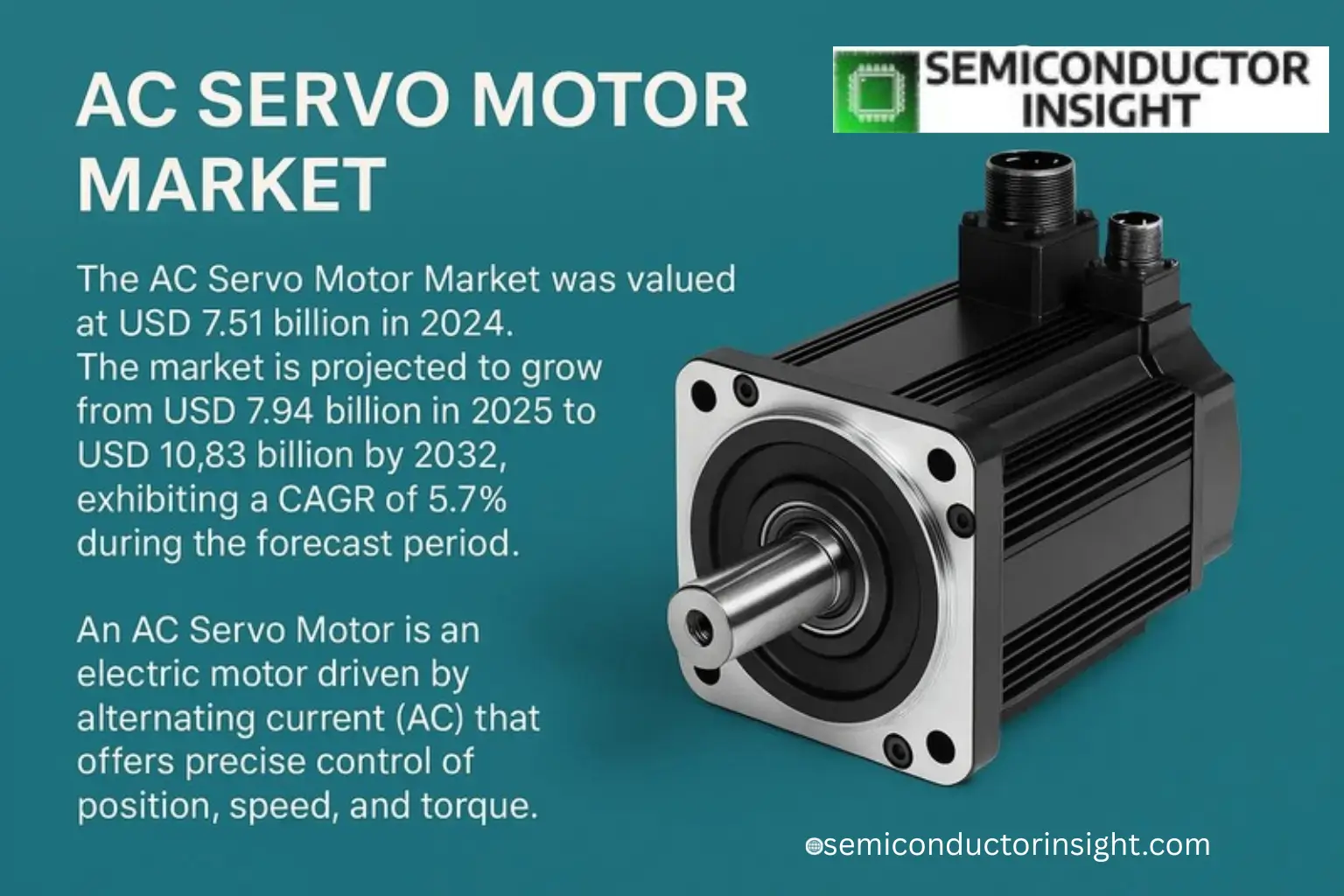 7.3K Προβολές
-
Carbon Blacks for Non-Rubber Applications Market 2024-2032: Reaches USD 15.35B by 2032, 3.11% CAGR
The global Carbon Blacks for Non-rubber Applications Market continues to expand significantly, with its valuation reaching USD 2.8 billion in 2024. According to the latest industry analysis, the market is projected to grow at a CAGR of 5.7%, reaching approximately USD 4.3 billion by 2032. This growth is primarily fuelled by rising demand from industries such as plastics, paints & coatings, and inks, where carbon black enhances performance characteristics while supporting sustainability initiatives.
Carbon blacks serve as critical additives in non-rubber applications—improving UV resistance in plastics, enhancing conductivity in electronics, and providing coloration in printing inks. As industries increasingly prioritize durable and high-performance materials, carbon black variants like furnace black and thermal black are gaining traction. Regulatory bodies are also endorsing cleaner production techniques, driving innovation across the value chain.
Download FREE Sample Report: https://www.24chemicalresearch.com/download-sample/276494/global-carbon-blacks-for-nonrubber-market-2024-251
Market Overview & Regional Analysis
Asia-Pacific dominates the global carbon black market for non-rubber applications, accounting for over 50% of consumption. China and India lead regional demand, supported by expanding manufacturing sectors and infrastructure investments. The region’s robust plastics and automotive industries, coupled with growing packaging needs, significantly contribute to this dominance.
North America and Europe follow closely, driven by stringent regulatory standards promoting sustainable materials in packaging and construction. Advanced recycling technologies and high-performance application requirements further bolster demand. Meanwhile, Latin America and the Middle East exhibit steady growth, with rising industrial activities and increasing foreign investments paving the way for market expansion.
Key Market Drivers and Opportunities
The market is propelled by the surge in demand for high-grade plastics, conductive polymers, and specialty coatings. Carbon black’s role in improving material durability and UV stability makes it indispensable in automotive parts, pipes, and consumer electronics. Notably, the shift toward electric vehicles (EVs) has driven demand for battery-grade carbon blacks, which enhance conductivity in lithium-ion batteries.
Opportunities also exist in bio-based carbon black development, catering to eco-conscious industries such as biodegradable packaging. Additionally, the rapid expansion of digital printing and inkjet technologies fuels the need for high-purity carbon blacks. Collaborations between material scientists and manufacturers continue to unlock new applications, particularly in aerospace and medical-grade plastics.
Challenges & Restraints
Despite its growth trajectory, the market faces challenges such as volatile raw material prices, particularly for feedstock oils, which impact production costs. Environmental concerns related to carbon emissions during manufacturing have also led to stricter regulations, pushing companies to adopt cleaner production methods. Furthermore, competition from alternative fillers like silica and graphene in certain applications poses a restraint.
Supply chain disruptions and geopolitical tensions, particularly in key producing regions, remain critical risks. However, ongoing innovations in sustainable production techniques and circular economy models are expected to mitigate some of these challenges.
Market Segmentation by Type
• Thermal Black
• Furnace Black
Download FREE Sample Report: https://www.24chemicalresearch.com/download-sample/276494/global-carbon-blacks-for-nonrubber-market-2024-251
Market Segmentation by Application
• Non-Tire Rubber
• Ink and Coating
• Plastic
• Others
Market Segmentation and Key Players
• Aditya Birla
• Cabot Corporation
• Orion Engineered Carbons
• Black Cat Carbon Black
• China Synthetic Rubber Corporation (CSRC)
• Tokai Carbon Co., Ltd.
• Omsk
• Phillips Carbon Black Limited
• Sid Richardson
• Longxing Chemical
• HUADONG RUBBER MATERIAL
• BAOHUA
• JINNENG
• DAGUANGMING GROUP
Report Scope
This report presents a comprehensive analysis of the global and regional markets for Carbon Blacks for Non-rubber Applications, covering the period from 2024 to 2032. It includes detailed insights into the current market status and outlook across various regions and countries, with specific focus on:
• Sales, sales volume, and revenue forecasts
• Detailed segmentation by type and application
In addition, the report offers in-depth profiles of key industry players, including:
• Company profiles
• Product specifications
• Production capacity and sales
• Revenue, pricing, gross margins
• Sales performance
It further examines the competitive landscape, highlighting the major vendors and identifying the critical factors expected to challenge market growth.
As part of this research, we surveyed Carbon Blacks for Non-rubber Applications companies and industry experts. The survey covered various aspects, including:
• Revenue and demand trends
• Product types and recent developments
• Strategic plans and market drivers
• Industry challenges, obstacles, and potential risks
Get Full Report Here: https://www.24chemicalresearch.com/reports/276494/global-carbon-blacks-for-nonrubber-market-2024-251
About 24chemicalresearch
Founded in 2015, 24chemicalresearch has rapidly established itself as a leader in chemical market intelligence, serving clients including over 30 Fortune 500 companies. We provide data-driven insights through rigorous research methodologies, addressing key industry factors such as government policy, emerging technologies, and competitive landscapes.
• Plant-level capacity tracking
• Real-time price monitoring
• Techno-economic feasibility studies
With a dedicated team of researchers possessing over a decade of experience, we focus on delivering actionable, timely, and high-quality reports to help clients achieve their strategic goals. Our mission is to be the most trusted resource for market insights in the chemical and materials industries.
International: +1(332) 2424 294 | Asia: +91 9169162030
Website: https://www.24chemicalresearch.com/
Follow us on LinkedIn: https://www.linkedin.com/company/24chemicalresearch9.2K Προβολές -
-
Electronic Polymer Market | Business Overview and Forecast Research Study 2034
The electronic polymer market is a rapidly expanding and innovative sector, crucial for the advancement of modern electronic devices and systems. Electronic polymers, also known as conductive polymers or electroactive polymers, are a class of organic materials that possess unique electrical and optical properties, making them indispensable in a wide array of high-tech applications. Unlike traditional inorganic semiconductors, these polymers offer advantages such as flexibility, lightweight, low-cost processing, and tunable properties, opening up new possibilities for device design and functionality.
Key Applications:
Electronic polymers are finding increasing utility across diverse industries:
Consumer Electronics: This is a major application segment, driven by the proliferation of smartphones, tablets, laptops, and wearable devices. Electronic polymers are used in flexible displays (OLEDs), touchscreens, sensors, and as conductive inks for printed electronics, enabling thinner, lighter, and more durable gadgets.
Automotive: The automotive industry is increasingly adopting electronic polymers for various components, especially with the rise of electric vehicles (EVs). Applications include battery electrodes, sensors, flexible circuits, and lightweight structural components that contribute to improved fuel efficiency and performance.
Healthcare Devices: Electronic polymers are crucial for advanced medical devices, including biosensors, implantable devices, smart textiles for health monitoring, and drug delivery systems. Their biocompatibility and flexibility are key advantages in this sensitive sector.
Energy: In the energy sector, electronic polymers are used in organic photovoltaics (solar cells), supercapacitors, and advanced battery technologies (e.g., lithium-ion batteries and solid-state batteries) as electrolytes, electrode materials, and separators, contributing to more efficient energy storage and conversion.
Printed Circuit Boards (PCBs) and Electronic Packaging: Electronic polymers are vital for laminates, encapsulants, and adhesives in PCBs, providing thermal management, insulation, and protection for sensitive electronic components. They enable the miniaturization and higher performance of electronic circuits.
Sensors and Actuators: Electroactive polymers, which can change shape or dimensions in response to electrical stimulation, are being developed for artificial muscles, tactile displays, and various types of sensors (chemical, biological, pressure).
Read More @ https://www.marketresearchfuture.com/reports/electronic-polymer-market-25084
Market Drivers:
Several factors are propelling the growth of the electronic polymer market:
Increasing Demand for Miniaturized and Flexible Electronics: The consumer desire for compact, lightweight, and bendable electronic devices is a primary driver, as electronic polymers are uniquely suited to meet these design requirements.
Rapid Advancements in Semiconductor Technology: The continuous evolution of semiconductor devices towards smaller sizes and higher performance necessitates advanced materials that can withstand stringent operating conditions, boosting demand for electronic polymers.
Growth of Electric Vehicles and Renewable Energy: The expansion of the EV market and investments in renewable energy infrastructure are creating significant demand for high-performance, lightweight, and efficient materials, where electronic polymers play a crucial role.
Rising Demand for High-Performance Materials: Industries are increasingly seeking materials that offer superior electrical conductivity, thermal stability, mechanical flexibility, and chemical resistance, all of which are characteristics of electronic polymers.
Technological Innovations: Ongoing research and development in polymer chemistry and processing techniques are leading to new formulations with enhanced properties and expanded application possibilities.
Challenges and Trends:
Despite the promising growth, the electronic polymer market faces certain challenges. Fluctuations in raw material prices can impact production costs and market stability. The complex manufacturing processes required for some advanced electronic polymers can also be a barrier. Additionally, ensuring long-term stability and durability in harsh operating environments remains an area of continuous research.
Key trends and innovations shaping the market include:
Sustainable and Bio-based Electronic Polymers: A growing focus on developing eco-friendly alternatives derived from renewable resources and improving the recyclability of electronic polymers to address environmental concerns.
Integration with AI and 3D Printing: AI-driven material discovery platforms are accelerating the development of new electronic polymer formulations, while 3D printing enables the creation of complex, customized polymer-based electronic components.
Self-healing and Stretchable Electronics: Innovations in self-healing polymers that can autonomously repair damage, and stretchable electronic polymers for highly flexible and wearable devices, are pushing the boundaries of functionality.
Smart and Functional Polymers: Development of polymers with embedded sensors and responsive properties for real-time monitoring and adaptive functionalities.
The electronic polymer market is at the forefront of material science, continuously evolving to meet the demands of an increasingly connected and high-performance electronic world. Its ability to combine electrical functionality with the advantages of polymers positions it as a critical enabler for future technological breakthroughs.
Browse More Reports:
Preformed Firestop Device Market https://www.marketresearchfuture.com/reports/preformed-firestop-device-market-30139
Automatic Mask Production Equipment Market https://www.marketresearchfuture.com/reports/automatic-mask-production-equipment-market-30566
Metal Processing Surface Treatment Market https://www.marketresearchfuture.com/reports/metal-processing-surface-treatment-market-2783613.8K Προβολές -
-
-
-
© 2026 Babafig


