

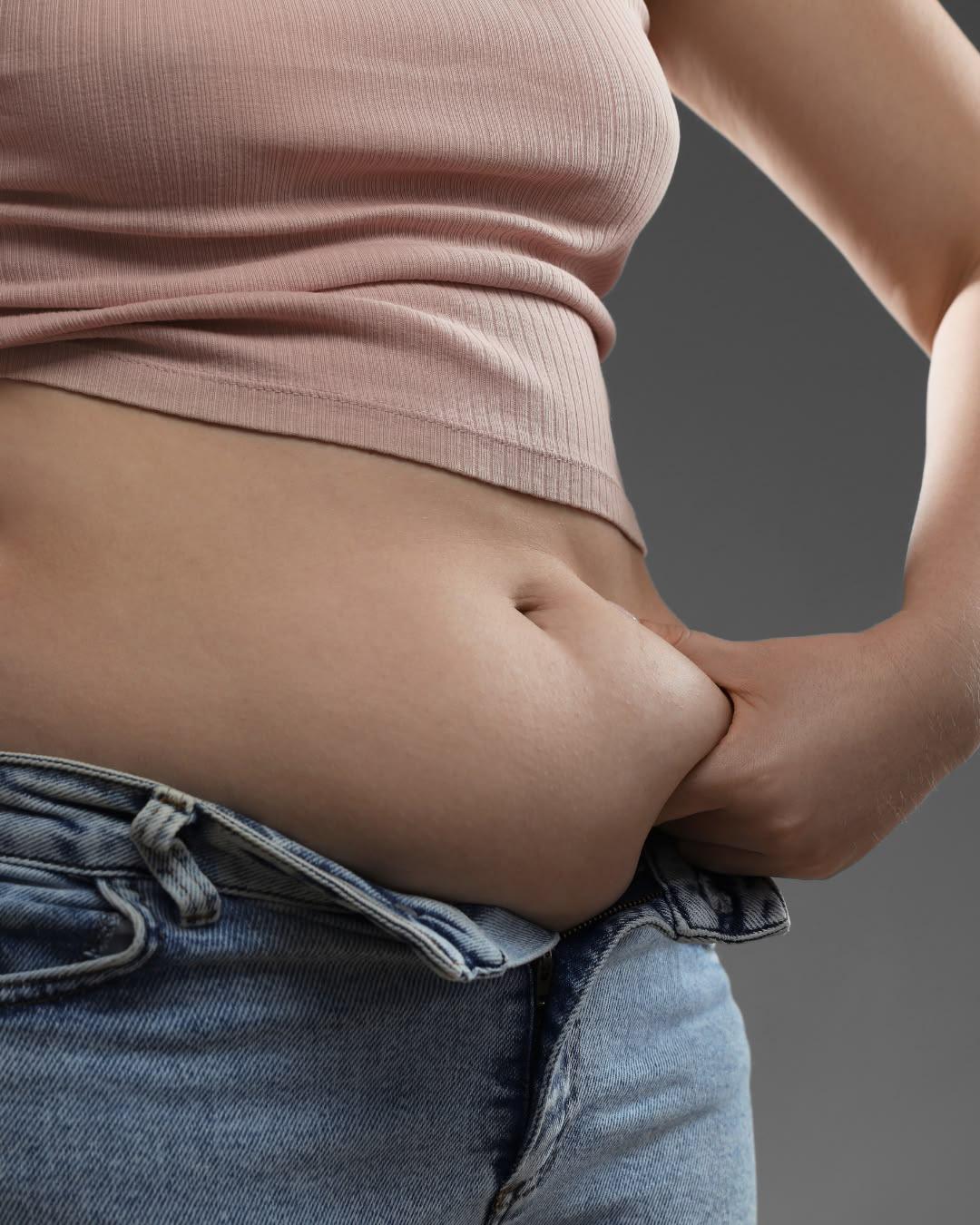

A flatter abdomen is not always achieved by removing excess skin or reducing fat. Some individuals have weakened or separated abdominal muscles that affect the appearance and support of the stomach. This condition can occur after pregnancy, significant weight changes, or other physical changes.
For people exploring abdominoplasty in Islamabad, understanding abdominal muscle separation can help clarify what a tummy tuck may address and what requires a separate medical assessment.
What Is Abdominal Muscle Separation?
Abdominal muscle separation, commonly called diastasis recti, occurs when the connective tissue between the two sides of the rectus abdominis muscles becomes stretched and widened.
These muscles run vertically along the front of the abdomen and contribute to core support and trunk movement.
When the connective tissue stretches, the abdomen may develop a rounded or protruding appearance. Some individuals notice a visible ridge when sitting up, coughing, or engaging their abdominal muscles.
The condition is not the same as excess abdominal fat or loose skin.
Common Causes of Muscle Separation
Several factors can contribute to stretching of the connective tissue between the abdominal muscles.
Pregnancy is a common cause because the growing uterus places increasing pressure on the abdominal wall. However, muscle separation can also occur in men and individuals who have never been pregnant.
Other contributing factors may include:
-
Significant changes in body weight.
-
Repeated increases in abdominal pressure.
-
Certain abdominal surgeries.
-
Natural differences in connective tissue strength.
-
Some strenuous physical activities performed without suitable technique.
The degree of separation varies, and not everyone with the condition experiences noticeable symptoms.
How Can Muscle Separation Affect Appearance?
Abdominal muscle separation may influence the shape of the stomach even when a person has relatively little body fat.
Some individuals notice a central bulge or a rounded appearance that remains despite exercise and weight management.
The abdomen may look different when standing compared with lying down. A visible ridge may also appear during certain movements.
However, appearance alone cannot confirm the condition. A medical professional should assess the abdominal wall to identify the underlying cause.
Can a Tummy Tuck Address Muscle Separation?
A tummy tuck may include a procedure called rectus muscle plication. During this process, the surgeon brings separated abdominal muscles closer together using internal sutures.
This can help improve abdominal wall support and create a firmer abdominal contour in appropriately selected patients.
Muscle tightening is not required for every tummy tuck. The decision depends on the patient's anatomy, symptoms, medical history, and treatment goals.
Patients should understand that the procedure does not strengthen muscles in the same way as exercise. It surgically adjusts the position of the abdominal tissues.
How Surgeons Evaluate the Abdominal Wall
A physical examination helps determine whether muscle separation is present and whether it may influence surgical planning.
The surgeon may assess the abdomen while the patient is standing and lying down. They may also examine the abdominal wall during gentle muscle contraction.
This assessment helps identify the location and extent of separation.
If symptoms or examination findings suggest another condition, such as an abdominal hernia, further investigation may be recommended.
A hernia is different from diastasis recti and may require a separate treatment plan.
Muscle Separation and Exercise
Exercise may help improve abdominal strength and movement control in some individuals with diastasis recti.
However, not every abdominal exercise is suitable for every person. Certain movements may increase pressure along the abdominal wall and make symptoms more noticeable.
A qualified physiotherapist can recommend exercises based on individual needs.
Patients considering surgery should discuss their exercise history and previous treatment attempts with their surgeon. Exercise should not be used as a substitute for medical assessment when a hernia or another condition is suspected.
What Happens During Recovery?
When muscle tightening is included in a tummy tuck, recovery may involve additional abdominal tightness and movement restrictions.
Patients may initially find activities such as standing upright, getting out of bed, or changing positions uncomfortable.
The surgeon provides instructions about walking, lifting, exercise, and returning to normal routines.
Patients should avoid rushing into strenuous activity. Healing progress and medical clearance should determine when more demanding movements can resume.
Understanding the Expected Results
Muscle repair can contribute to a firmer abdominal appearance, but the final result depends on several factors.
Skin elasticity, body composition, existing abdominal structure, and healing characteristics all influence the outcome.
A tummy tuck cannot guarantee perfect symmetry or permanently prevent future changes. Pregnancy, weight fluctuations, and ageing may affect the abdomen over time.
Patients should discuss realistic expectations before making a surgical decision.
Who Should Consider a Consultation?
Individuals who notice a persistent abdominal bulge, loose skin, or possible muscle separation may benefit from a professional assessment.
A consultation can help determine whether the concern relates to excess skin, muscle separation, abdominal fat, or another medical condition.
People with pain, digestive symptoms, or a suspected hernia should receive an appropriate medical evaluation rather than assuming cosmetic surgery is the solution.
Exploring Treatment at Enfield Royal Clinic
Patients interested in abdominal contouring can discuss muscle separation and possible surgical approaches at Enfield Royal Clinic. A consultation can help assess abdominal anatomy, explain whether muscle tightening may be suitable, and outline the potential benefits and risks.
Understanding the difference between loose skin and muscle separation is an important step toward choosing an appropriate treatment.
Conclusion
Abdominal muscle separation can affect both the appearance and support of the stomach. In selected patients, a tummy tuck with muscle repair may help improve abdominal contours.
A careful examination is essential to determine the cause of abdominal protrusion and identify suitable treatment options. With realistic expectations and individualised medical planning, patients can make more informed decisions about abdominal contouring.


