

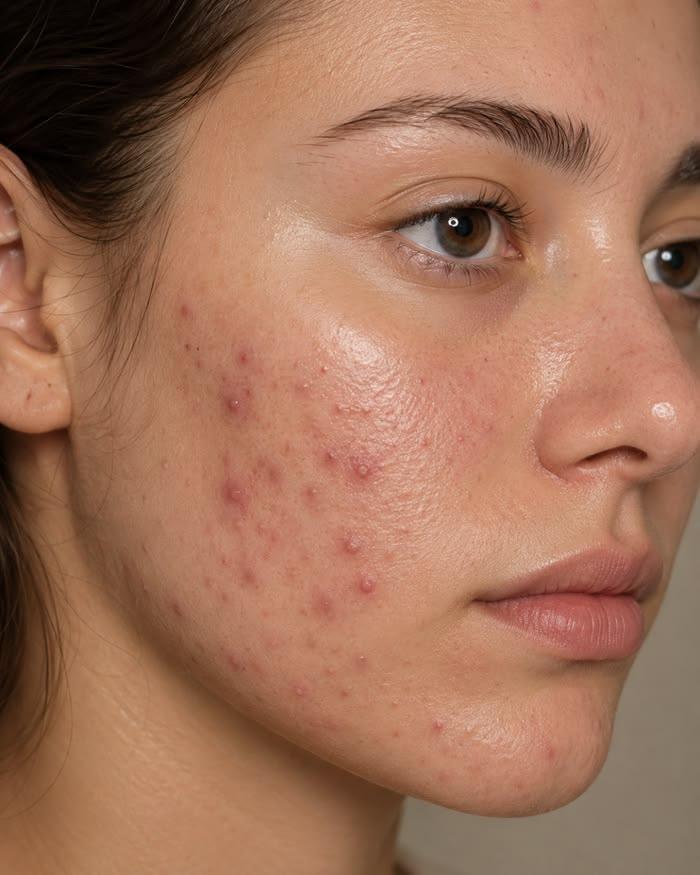

Severe acne can leave lasting changes in the skin, even after active breakouts have settled. Deep inflammation may damage the tissue responsible for maintaining a smooth skin surface, resulting in depressions, uneven texture, or raised scars. These changes can be difficult to improve with ordinary skincare products, making professional assessment an important part of the process.
People researching acne scars treatment in islamabad should understand how severe breakouts contribute to scarring and why different skin concerns require different treatment approaches. With suitable care, many individuals can achieve noticeable improvements in the appearance of affected areas.
How Severe Acne Leads to Permanent Scarring
Acne develops when hair follicles become blocked with oil, dead skin cells, and other debris. When bacteria and inflammation become involved, some breakouts can extend deeper into the skin.
The body's natural healing response attempts to repair the damaged tissue by producing collagen. However, collagen production does not always occur evenly. Too little collagen can result in depressed scars, while excessive collagen may create raised scars.
The risk of scarring can increase when deep inflammatory acne is left untreated, repeatedly squeezed, or picked. This is why controlling severe acne early is important for protecting the skin.
Recognising Scars Left by Inflammatory Acne
Severe breakouts can produce different types of scars, and identifying them helps guide treatment decisions.
Ice Pick Scars
These are narrow, deep openings that extend into the skin. They often develop after intense inflammation around individual pores and can be challenging to improve with superficial procedures.
Boxcar Scars
Boxcar scars have wider depressions with clearly defined edges. They may appear on the cheeks, temples, or other areas affected by deeper breakouts.
Rolling Scars
These scars create a wave-like appearance because fibrous tissue beneath the skin pulls the surface downward. Their uneven texture may become more noticeable under direct lighting.
Raised Scars
Some people develop thickened areas when the healing process produces excessive collagen. These scars may feel firm and extend above the surrounding skin.
Why Active Acne Should Be Controlled First
Treating old scars while severe acne continues to develop may limit long-term progress. New inflammatory breakouts can cause additional tissue damage, potentially creating more scars.
A dermatologist may recommend medication, prescription skincare, or other acne-control treatments before starting certain cosmetic procedures. The appropriate approach depends on acne severity, medical history, and individual suitability.
Patients should avoid squeezing pimples or attempting aggressive home treatments. These habits can increase inflammation and make existing skin concerns worse.
Professional Procedures for Different Scar Types
Several procedures may help improve the appearance of established acne scars. Each works differently and should be selected according to the patient's skin condition.
Subcision: This procedure releases fibrous bands that pull depressed scars downward. It may be useful for selected rolling scars and other tethered depressions.
Microneedling: Fine needles create controlled micro-injuries that encourage the skin's repair response and collagen production. It may improve certain shallow scars and uneven texture over a series of sessions.
Fractional laser resurfacing: Selected laser treatments target small areas of skin to stimulate renewal. They may improve some depressed scars, although skin tone, recovery time, and pigmentation risk must be considered.
TCA CROSS: This targeted technique uses a chemical solution on selected deep scars. It may be considered for certain narrow scars, including ice pick scars, following professional evaluation.
Treatment for raised scars: Depending on the scar's characteristics, options may include specialist injections or other targeted procedures. Depressed-scar treatments are not automatically suitable for raised tissue.
Factors That Influence Treatment Results
Several factors can affect how well acne scars respond to treatment. Scar depth is particularly important because deeper damage may require more specialised techniques or several sessions.
Skin tone also matters. Some procedures can increase the risk of post-inflammatory hyperpigmentation, particularly in individuals who are prone to dark marks after irritation.
Age, skin sensitivity, general health, previous treatments, and the presence of active acne can also influence the treatment plan. A professional assessment helps determine suitable procedures and establish realistic expectations.
Recovery and Aftercare Following Treatment
Recovery depends on the procedure performed. Some treatments may cause temporary redness and sensitivity, while more intensive procedures can involve swelling, peeling, or a longer healing period.
Patients should follow the aftercare instructions provided by their practitioner. Gentle cleansing, appropriate moisturising, and broad-spectrum sunscreen are often important parts of recovery.
Strong exfoliating products, retinoids, and other active ingredients may need to be paused temporarily. They should only be restarted when the treating professional confirms that the skin has recovered sufficiently.
Preventing Further Skin Damage
Long-term acne management is essential for reducing the possibility of additional scars. A consistent skincare routine, suitable acne treatment, and avoiding skin picking can help protect the complexion.
People experiencing recurring painful or deep breakouts should seek professional advice rather than waiting for the condition to improve on its own. Early treatment can help limit inflammation and reduce the risk of lasting damage.
Choosing Professional Guidance in Islamabad
Severe acne scars often require more than one approach because different areas of the face may have different types of damage. A personalised plan helps match suitable procedures with individual skin needs while taking recovery and potential risks into account.
Those interested in exploring aesthetic services can visit Enfield Royal Clinic and arrange a consultation to discuss their concerns. With appropriate assessment, realistic expectations, and consistent skin care, individuals can work toward a smoother and healthier-looking complexion.


