

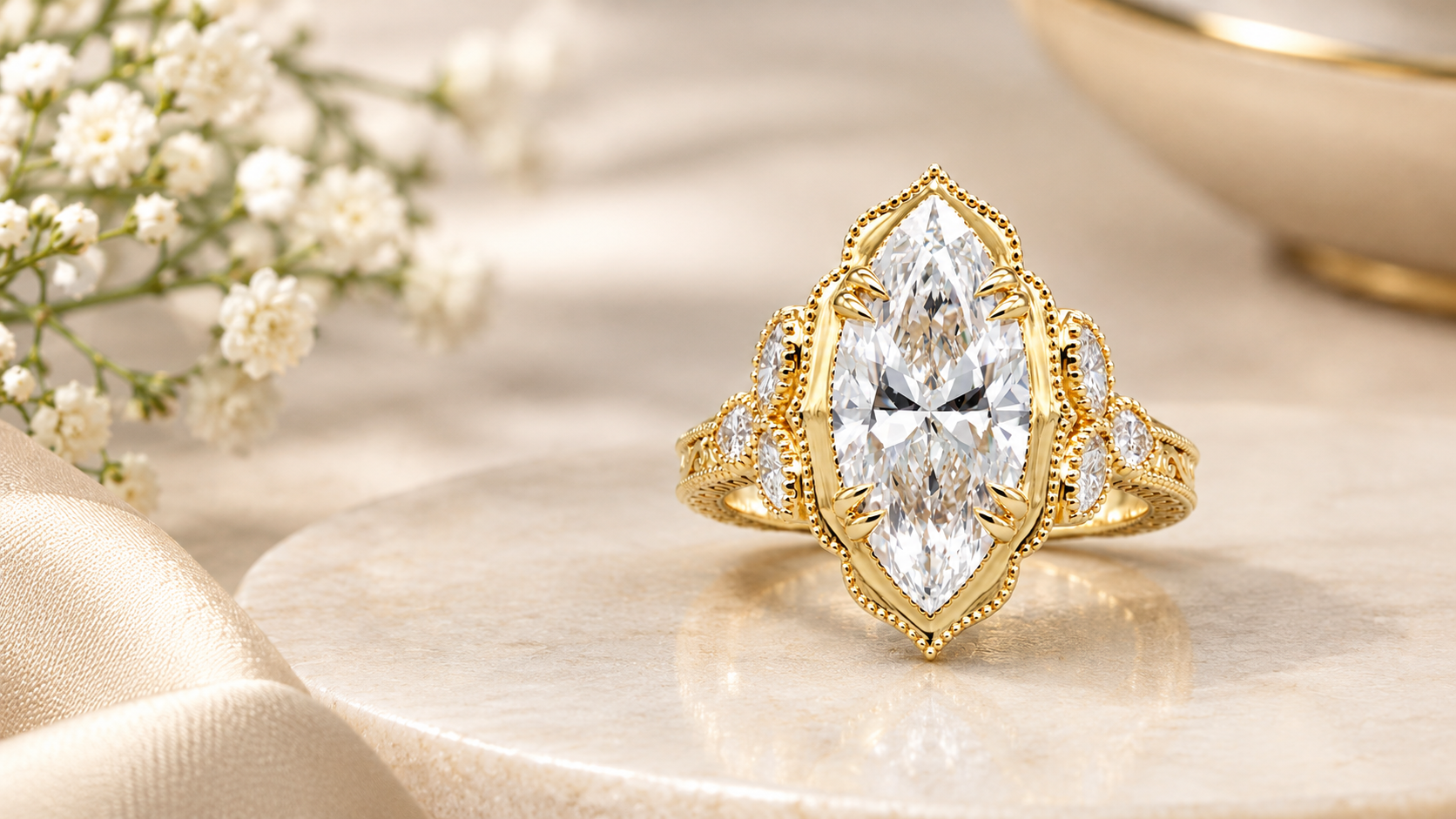

Buying an engagement ring is an important decision. It represents a commitment between two people, so choosing the right design, diamond, and metal deserves careful thought. However, finding a beautiful ring does not mean spending a large amount of money. With proper research and a clear budget, shoppers can find a ring that suits their preferences without putting unnecessary pressure on their finances.
For many couples, engagement rings under 2000 offer a practical way to balance design, diamond quality, and price. The key is understanding which features matter most before making a purchase. From selecting the right center stone to comparing different settings, every detail can influence the appearance and overall value of a ring.
Before you buy engagement rings under 2000, take time to understand the available options, check product details, and compare different designs. A little preparation can help you make a confident choice that matches both your budget and your partner's personal style.
1. Set a Realistic Budget Before Shopping
The first step is deciding how much you are comfortable spending. An engagement ring should be a meaningful purchase, not a financial burden. Setting a clear budget helps narrow down the choices and makes comparing different rings much easier.
When planning your budget, consider more than the center diamond. The total price may also include:
-
The ring's metal and weight
-
The center stone and accent diamonds
-
The setting and overall design
-
Certification and grading documentation
-
Shipping, taxes, and possible resizing costs
Keep a small amount aside for additional expenses. This gives you more flexibility if the ring needs adjustments after purchase.
A well-planned budget also helps you decide where to spend more. For example, someone who prefers a larger center stone may choose a lab-grown diamond, while another buyer may prefer a smaller stone with a detailed setting.
2. Understand the Four Cs of Diamond Quality
The Four Cs are an important part of diamond shopping. They refer to cut, color, clarity, and carat weight. Understanding these characteristics can help you compare stones and decide which features deserve the most attention.
Cut
Cut affects how well a diamond reflects light. A well-cut diamond can appear lively and bright, even when its carat weight is modest. Round diamonds are popular because of their light performance, while oval, pear, and cushion shapes offer different appearances.
Color
Diamond color grades describe how much color is visible in a stone. Many shoppers prefer diamonds with less noticeable color, but the best choice also depends on the setting and personal preference.
For example, yellow gold can work well with slightly warmer diamond colors, while white gold and platinum-colored settings may suit shoppers who prefer a cooler appearance.
Clarity
Clarity describes the presence of natural inclusions and surface characteristics. Not every inclusion is visible without magnification. Comparing diamonds in person or through clear product images can help you understand whether a particular clarity grade meets your expectations.
Carat Weight
Carat refers to a diamond's weight, not its physical dimensions alone. Two diamonds with the same carat weight can look different depending on their shape and proportions.
Instead of focusing only on carat weight, compare the complete diamond specifications. This approach helps you find a stone that offers the appearance you want within your spending limit.
3. Compare Lab-Grown and Natural Diamonds
One of the biggest decisions when shopping for a diamond engagement ring is choosing between a natural and a lab-grown diamond.
Natural diamonds form underground over long periods through geological processes. Lab-grown diamonds are created in controlled environments using advanced technology. Both have the same basic chemical composition and crystal structure.
Lab-grown diamonds are often less expensive than natural diamonds of comparable size and quality. This can make them an attractive option for buyers who want a larger center stone without increasing their budget.
Natural diamonds may appeal to shoppers who prefer a stone formed naturally. The right option depends on individual preferences, budget, and priorities.
When comparing diamond engagement rings under $2000, check the following details:
-
Whether the diamond is natural or lab-grown
-
The grading report and issuing laboratory
-
Cut, color, clarity, and carat weight
-
The diamond's measurements
-
Whether the listed price includes the complete ring
These details help you compare products fairly instead of making a decision based only on photographs or promotional prices.
4. Choose a Diamond Shape That Matches Personal Style
Diamond shape has a major influence on the overall appearance of an engagement ring. Different shapes create different visual effects, so consider your partner's preferences before choosing one.
Some popular diamond shapes include:
Round Cut: A classic choice with a circular outline. It is widely selected for solitaire, halo, and pavé settings.
Oval Cut: An elongated shape that can create the appearance of greater finger coverage. It works beautifully with simple bands and detailed settings.
Cushion Cut: Recognized by its soft corners and square or rectangular outline. It suits both vintage-inspired and contemporary designs.
Emerald Cut: Features a rectangular shape with step-cut facets. Its clean lines make it a distinctive option for buyers who appreciate geometric designs.
Pear Cut: Combines a rounded end with a pointed tip. It offers a different appearance and can be worn with the pointed end facing either direction.
When selecting from engagement rings for women under $2000, think about the jewelry your partner already wears. Their preferred diamond shapes, necklace styles, and everyday accessories can provide useful clues.
5. Pay Attention to the Ring Setting
The setting holds the center stone in place and contributes to the ring's overall design. It also affects how much of the diamond is visible and how suitable the ring may be for daily wear.
Here are some common settings worth considering.
Solitaire Setting
A solitaire setting features one center stone without additional diamonds around it. Its simple design keeps attention on the main diamond and works with almost every diamond shape.
Halo Setting
A halo setting surrounds the center diamond with smaller stones. This arrangement creates a larger overall appearance and adds detail around the main stone.
Pavé Setting
Pavé bands feature small diamonds set closely together along the band. They add decorative detail and can complement round, oval, and cushion center stones.
Bezel Setting
A bezel setting surrounds the diamond with a metal rim. It offers a secure design and creates a smooth outline around the center stone.
Hidden Halo Setting
A hidden halo places small diamonds beneath the center stone rather than directly around its upper outline. This detail adds interest when viewed from the side.
Before choosing a setting, consider your partner's daily routine. Someone who works with their hands may prefer a lower-profile design with fewer exposed details.
6. Select the Right Metal for the Ring
The metal influences the ring's color, appearance, maintenance, and overall price. It is worth comparing different options before making a final decision.
Yellow Gold: A traditional option that pairs well with both warm and cool diamond designs. It is available in different gold purities, including 14K and 18K.
White Gold: A popular choice for shoppers who prefer a bright, silver-toned appearance. White gold is commonly rhodium-plated, so occasional replating may be required.
Rose Gold: Recognized by its pinkish tone, rose gold offers a different appearance and works well with vintage-inspired designs.
Platinum: A naturally white precious metal known for its durability. It generally costs more than gold, which may affect the available budget for the center stone.
For buyers comparing an engagement ring under 2000, 14K gold can be a practical option because it offers a balance of durability and precious-metal content.
7. Check Diamond Certification and Product Details
Before purchasing a diamond ring, review the available grading information. A grading report provides details about the diamond's characteristics and helps buyers understand what they are paying for.
Look for documentation from recognized gemological laboratories, such as GIA or IGI, where applicable. Check that the report details match the diamond being offered.
You should also review the complete product description. Important information includes:
-
Center diamond specifications
-
Side stone details, if included
-
Metal type and purity
-
Ring dimensions and available sizes
-
Total carat weight
-
Return and exchange conditions
-
Warranty and maintenance policies
For lab-grown diamonds, confirm that the grading documentation identifies the stone as laboratory-grown.
Avoid purchasing based only on a high carat number or attractive product photograph. Accurate specifications are essential when comparing different rings.
8. Consider Comfort and Everyday Wear
An engagement ring is usually worn regularly, so comfort should be part of the buying decision.
A beautiful design may not be the right choice if it catches on clothing, feels uncomfortable, or requires frequent adjustments. Consider the band width, setting height, ring size, and shape of the inner band.
Some useful points to check include:
-
Whether the center stone sits too high
-
If the prongs feel secure
-
Whether the band has a comfortable fit
-
If the design catches on clothing
-
Whether the ring is suitable for regular activities
A lower-profile setting can be a good choice for someone with an active routine. Similarly, a smooth bezel setting may appeal to buyers who prefer fewer exposed edges.
Make sure you know the correct ring size before ordering. If you are planning a surprise proposal, consider using a ring your partner already wears as a sizing reference.
9. Compare Prices Without Ignoring Quality
Price comparison is an important part of buying an engagement ring. Two rings may look similar in photographs but have different diamond specifications, metal weights, or construction details.
When comparing engagement rings under $2000, look beyond the displayed price. Check whether the listed amount includes the center stone, accent diamonds, and selected metal.
For example, one ring may have a larger lab-grown diamond with a simple setting, while another may feature a smaller center stone surrounded by accent diamonds. Both can be suitable choices, depending on the buyer's preferences.
Avoid assuming that a higher price always means better quality. Instead, compare the specifications and craftsmanship of each product.
10. Choose a Trusted Jewelry Brand
The seller matters just as much as the ring itself. A reliable jewelry brand should provide clear product information, accurate diamond specifications, transparent pricing, and accessible customer support.
Before placing an order, review the following:
-
Customer reviews and ratings
-
Product photographs from different angles
-
Diamond grading information
-
Shipping and delivery policies
-
Return and exchange conditions
-
Resizing and repair services
-
Customer support availability
Brands such as Antiquecut offer shoppers different engagement ring designs and price ranges to explore. Comparing available styles and product specifications can help buyers understand which features best match their preferences.
Do not hesitate to contact the seller if something about the diamond, setting, or product description is unclear. A trustworthy retailer should be able to explain the details before you complete your purchase.
Common Mistakes to Avoid When Buying an Engagement Ring
Even with a clear budget, buyers can overlook important details during the shopping process. Avoiding these common mistakes can make the experience easier.
Focusing Only on Carat Weight: A larger diamond is not automatically a better choice. Cut quality, proportions, and clarity also influence its appearance.
Ignoring Ring Size: Ordering the wrong size can lead to additional resizing costs and delays.
Overlooking Metal Purity: Always confirm whether the ring is made from 14K, 18K, or another metal.
Skipping Certification Details: Review the grading report and confirm that its specifications match the advertised diamond.
Choosing a Design Without Considering Daily Wear: Think about comfort and practicality before selecting a high-profile or heavily detailed setting.
Not Reading Return Policies: Understand the conditions for returns, exchanges, resizing, and refunds before making payment.
Conclusion
Choosing an engagement ring within a set budget becomes easier when you know what to compare. Diamond quality, shape, metal, setting, certification, and comfort all contribute to the final decision. Rather than spending more simply to get a larger stone, focus on the features that matter most to your partner.
There are plenty of attractive options available for shoppers considering engagement rings under 2000. Whether you prefer a classic solitaire, an oval center stone, a detailed halo, or a lab-grown diamond, careful research can help you find a ring that meets your expectations.
Take your time, compare product specifications, and purchase from a retailer that provides clear information and dependable customer service. The right engagement ring is one that reflects your relationship, suits your partner's preferences, and stays comfortably within your budget.


