

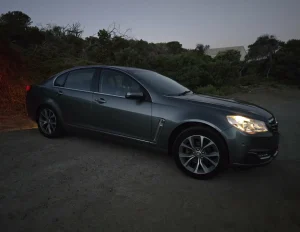

Presentation matters when you sell a car. Two vehicles with identical mileage and service history can attract very different offers simply because one looks cared for and the other looks tired. Buyers make snap judgements, and visible damage can make them suspicious about everything else. But not every repair is worth the money. This guide helps you decide where to spend and where to leave well alone.
Start With an Honest Walk-Around
Take a slow lap around the car in good daylight and pretend you are a buyer. Note dents, scratches, chipped paint, scuffed bumpers, cracked lights and mismatched panels. Check the interior as well, since worn trims and stains matter too. Photograph everything so you can track the condition and compare it later.
Ask a friend to do the same, because they will notice things you have stopped seeing. A fresh set of eyes is surprisingly effective. Make a list and rank each flaw by how noticeable it is and how much it might cost to fix.
Small Dents: Often Worth Fixing
Shallow dents on doors and bonnets are highly visible and tend to bother buyers more than their repair cost justifies. If the paint is intact, the metal can often be restored without refinishing. A look at Paintless Dent Repair shows how technicians can remove many such dents while preserving the original finish, which is attractive when preparing a car for sale.
Because these repairs are usually quick, they can be done close to your listing date. Ask for a quote and compare it with the likely uplift in price. In many cases, a few well-chosen fixes deliver a good return.
Scratches and Scuffs
Light scratches in the clearcoat may polish out, which is inexpensive and effective. Deeper scratches that reach the primer or metal need proper repair to prevent rust and to look right. Bumper scuffs often respond well to refinishing, especially if the plastic is not cracked.
Avoid cheap touch-up pens on large areas, since mismatched colour can make things look worse. A professional can advise whether a spot repair, panel respray or simple polish is the best approach. Drivers searching for Insurance Claims Preston details after a minor incident sometimes find the repair costs less than they feared, so a quote is worth requesting.
Paint Fade, Peeling and Rust
Faded roofs, peeling clearcoat and early rust spots can hurt a car's appearance and value. These problems usually require proper refinishing, which can be a bigger job but may lift the overall impression of the car dramatically. Corrosion should always be addressed, since buyers and inspectors treat it as a red flag.
If your vehicle has been in a previous crash, make sure the repairs were done properly. Mismatched paint or uneven panel gaps may suggest poor workmanship. A team offering Panel Beaters Glenroy services can help you assess whether earlier work needs attention.
Headlights, Trims and Small Details
Cloudy headlights make a car look old and reduce night visibility. Polishing or restoring them is inexpensive and often worthwhile. Likewise, faded black trims, loose mouldings and missing badges can be corrected quickly and cheaply.
Check that all lights work, wipers are in good condition and the number plates are clean and secure. These small things signal that the car has been looked after. Buyers reading a listing often judge the owner by the details.
Repairs That May Not Pay Off
Not every flaw justifies a repair. If the cost exceeds the likely increase in sale price, it may be smarter to disclose the issue and adjust your asking price. Older, lower-value cars rarely benefit from expensive cosmetic work, while newer or premium vehicles often do.
Major accident damage is another case. Rather than rushing a repair to sell, consider whether the repair is worthwhile at all. If the car cannot be driven, services like Accident Towing Reservoir can move it to a workshop for assessment, and you can decide on the next step with real numbers in hand.
Be Honest About History
Disclose previous accident repairs and keep documentation if you have it. Invoices, photographs and warranty paperwork reassure buyers and demonstrate transparency. Concealing damage can lead to disputes and legal trouble.
If structural repairs were carried out, records showing proper procedures add credibility. Buyers often look more favourably on vehicles with a clear, honest history. Those researching Insurance Claims Thornbury information may also find that insurers can supply documents regarding previous claims.
Timing and Preparation
Schedule repairs a week or two before listing so the car is ready for photographs. After the work is done, give the vehicle a thorough detail, including interior, engine bay and wheels. Take photos in soft daylight from multiple angles.
Keep service records handy, replace worn wipers and make sure the car starts easily. Small touches help buyers feel confident. The Smash Repairs Coburg listing is a useful place to find a nearby workshop that can quote on cosmetic fixes quickly.
Photographing Your Car Properly
Good photos sell cars. Wash the vehicle, remove clutter and choose a clean, uncluttered background such as an empty car park or a quiet street. Shoot in soft morning or late afternoon light to avoid harsh reflections that hide or exaggerate flaws.
Take shots from all four corners, plus straight-on views of the front, rear and sides. Include the wheels, dashboard, seats, boot and engine bay. Be honest and include any remaining marks, since showing them builds trust and avoids disputes at inspection time.
Pricing Realistically After Repairs
Research similar vehicles to see where your car sits in the market. Consider mileage, condition and service history. Do not expect to recover the full cost of every repair, since buyers rarely pay dollar for dollar for cosmetic work. Instead, think of repairs as removing reasons for a buyer to negotiate. A tidy, honest listing at a fair price usually attracts the best response.
Final Pre-Sale Checks
Before the first inspection, give the car a final once-over. Top up fluids, check tyre pressures, clear out the glovebox and remove personal items. Make sure the spare tyre, jack and owner's manual are in place. These small touches show buyers the car has been looked after and reduce the number of reasons they might find to haggle.
Know When to Stop
Fixing every blemish is rarely necessary. Focus on the flaws that stand out most, address anything that affects safety or invites rust and present the car honestly. A well-prepared vehicle with a clear story usually sells faster and with less haggling than one with visible problems.


