


Why Bees Deserve Careful Handling
Bees play an important role in the environment by pollinating flowering plants, gardens, and many agricultural crops. Although a colony near a home can create concerns, bees are valuable pollinators and should not automatically be treated as pests. Understanding their behavior and nesting habits helps property owners respond responsibly while protecting household members, visitors, and the colony whenever possible.
Recognizing When Professional Help Is Needed
Arranging Residential Bee Relocation Services Westfield NJ can help homeowners address colonies that have settled in inconvenient or potentially hazardous areas. Bees may establish nests in wall cavities, roof spaces, sheds, trees, or other sheltered locations. Their presence near doors, walkways, and frequently used outdoor spaces can create concerns, particularly for people who are sensitive to stings or regularly use the affected area.
Identifying the Type of Insect
Before any relocation work begins, it is important to determine whether the insects are honeybees, bumblebees, wasps, or another species. Different insects have different nesting behaviors and require different handling methods. A professional assessment can help identify the colony and determine the most appropriate response. Correct identification also prevents unnecessary disturbance to beneficial insects that may not pose a significant problem.
Understanding Where Colonies May Settle
Bees often look for protected spaces that provide shelter from rain, wind, and temperature changes. Depending on the species, nests may appear in trees, wall openings, roof structures, hollow spaces, or other sheltered locations. A colony inside a building can be difficult to assess without proper equipment and experience. Understanding the nesting location helps professionals plan an appropriate approach before beginning any work.
Why Proper Relocation Planning Matters
Bee Removal and Relocation requires more than simply moving visible insects from one place to another. Professionals need to consider the colony's location, accessibility, size, and surrounding conditions. Honeybee colonies may contain a queen, worker bees, developing brood, and stored food. Careful planning helps reduce unnecessary disturbance and supports the possibility of transferring the colony to a more suitable location.
Assessing Property Access and Safety
Before starting a relocation project, the surrounding area should be evaluated for potential safety concerns. Professionals may consider nearby entrances, windows, walkways, pets, children, and neighboring properties. They also need to determine whether the nest is easily accessible or located behind building materials. This assessment helps establish suitable precautions and reduces the chance of accidental contact while the work is underway.
Protecting the Colony During the Process
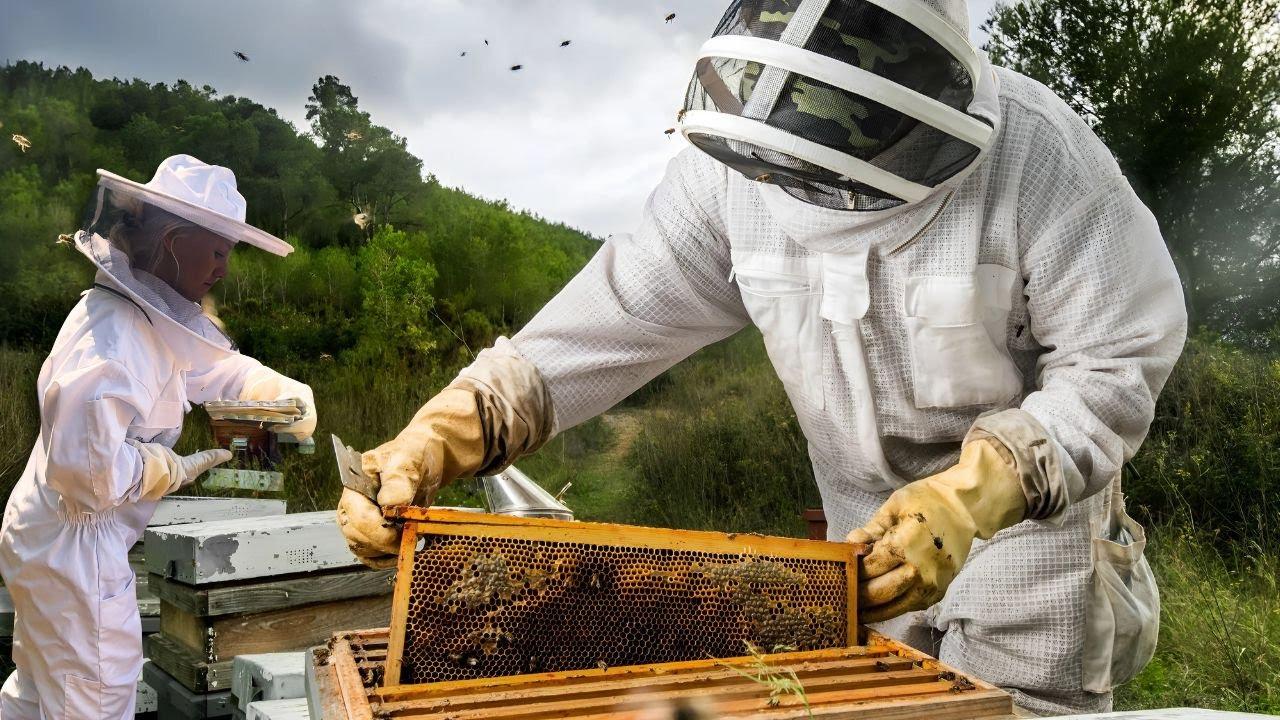
When relocation is appropriate, handling methods should aim to minimize harm to the colony. Depending on the situation, professionals may need specialized protective clothing, suitable containers, and equipment designed for bee handling. The method used can vary based on the species and nesting location. Avoiding unnecessary disturbance is important because aggressive or rushed handling can increase the risk of stings and colony damage.
Considering Hidden Nesting Areas
Colonies established inside walls, ceilings, or roof structures may leave behind wax, honey, brood material, and other remnants. These materials can attract other insects or create odor and moisture concerns if they remain in place. After relocation, professionals may recommend additional work to address the affected area. The exact steps depend on the building structure and the extent of the nesting activity.
Avoiding Unnecessary Disturbance
Homeowners should avoid striking, spraying, sealing, or attempting to remove an active colony without professional guidance. Disturbing bees can cause defensive behavior, while sealing an opening may trap insects inside a building. A blocked entrance can also lead bees to search for another way out. Keeping people and pets away from the affected area is a sensible precaution until the situation has been assessed.
Supporting Pollinators After Relocation
Responsible relocation can provide a colony with an opportunity to continue its natural activities in a more suitable setting. Bees contribute to plant reproduction and help maintain healthy ecosystems. Homeowners can also support pollinators by planting suitable flowering plants, limiting unnecessary pesticide use, and maintaining outdoor spaces that provide access to natural food sources. Small environmental choices can make a positive difference over time.
Understanding the Scope of the Work
Not every bee situation can be handled in the same way. Some colonies may be located in accessible outdoor areas, while others may require careful work around building materials. Professionals should explain what the proposed service includes, whether repairs may be necessary afterward, and what conditions could affect the process. Clear communication helps homeowners understand the work before agreeing to a service.
Keeping Your Property Safer
A bee colony near a home does not always require immediate removal, but its location and activity should be considered carefully. Homeowners should watch for frequent bee movement around entrances, enclosed spaces, and areas used by family members. When a colony creates a concern, professional assessment can help determine an appropriate solution without unnecessary harm to beneficial insects.
Choosing a Responsible Approach
Managing a bee colony requires a balance between property safety and environmental responsibility. Proper identification, careful assessment, suitable handling, and attention to the nesting area all contribute to a more informed response. By seeking qualified assistance instead of disturbing the colony independently, homeowners can address potential risks while supporting the important role bees play in the environment.


