

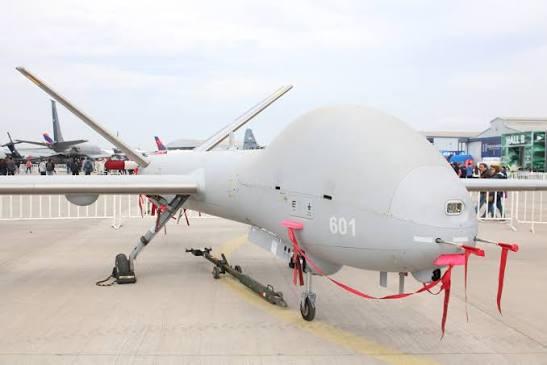

The Gulf Cooperation Council (GCC) is witnessing a shift in defense planning as governments place greater emphasis on persistent surveillance, intelligence gathering, border monitoring, and precision-strike capabilities. Medium-Altitude Long-Endurance (MALE) combat drones are becoming increasingly relevant to these requirements because they can remain airborne for extended periods while supporting intelligence, surveillance, and reconnaissance (ISR) and armed missions.
According to the GCC MALE combat drones report, the sector was valued at approximately USD 298 million in 2025 and is projected to reach USD 337 million in 2026 and nearly USD 828 million by 2032. The study estimates a CAGR of 16.16% during 2026–2032, reflecting sustained investment in unmanned defense capabilities and military modernization across GCC countries.
Defense Modernization Supports Drone Adoption
Regional security conditions are encouraging GCC governments to strengthen aerial surveillance and response capabilities. MALE combat drones can support long-duration missions without placing pilots directly in contested environments, making them relevant to border surveillance, ISR, and precision-strike operations. Their ability to integrate sensors, communication systems, and mission payloads also allows defense forces to use a single platform across multiple operational requirements.
Saudi Arabia represents a particularly important contributor to regional demand. The study indicates that the country accounted for approximately 46% of the GCC sector in 2026. This position is supported by continued defense modernization and efforts to strengthen domestic military manufacturing capabilities.
Saudi Arabia’s localization strategy is also influencing the development of unmanned systems. The General Authority for Military Industries (GAMI) strategy identifies localization of more than 50% of military equipment and services expenditure by 2030 as a national objective. Such policies are relevant to drone development because they encourage domestic production, technology transfer, supply-chain development, and technical capability building.
Indigenous Manufacturing Gains Importance
The GCC’s growing interest in indigenous drone development is changing the structure of regional defense procurement. Historically, advanced unmanned platforms and critical components have often depended on overseas suppliers. However, governments are increasingly seeking local manufacturing capabilities to improve supply resilience and reduce dependence on imported technologies.
The development of domestic capabilities extends beyond complete aircraft. Mission payloads, avionics, propulsion systems, communications equipment, sensors, and structural components are also important areas for localization. These technologies can influence operational independence while creating opportunities for specialized aerospace and defense manufacturing.
Saudi Arabia’s SkyGuard program illustrates this direction. GAMI and Saudi Arabian Military Industries signed an agreement for the development and manufacture of the SkyGuard unmanned aerial vehicle, supporting the broader objective of strengthening local UAV capabilities and defense-sector self-reliance.
Airframe Platforms Remain a Major Component
Airframe/platform systems represented the leading component segment, accounting for about 34% in 2026. The importance of this segment reflects the structural role of the airframe in supporting propulsion, avionics, fuel systems, sensors, and mission payloads.
As GCC countries expand their domestic aerospace capabilities, manufacturing lightweight structures and composite components could become increasingly important. Localized airframe production can also support broader efforts to develop engineering expertise and establish supporting supply chains around unmanned aerial systems.
At the operational level, air forces remain the largest end-user segment. The study indicates that air forces represented approximately 68% of the segment in 2026, reflecting their central role in long-endurance ISR and precision-strike missions.
Technology and Supply Chains Shape Future Development
The next phase of regional development is likely to depend not only on acquiring complete drone platforms but also on strengthening the technology ecosystem surrounding them. Dependence on imported propulsion systems, electro-optical and infrared payloads, satellite communications, avionics, and other mission-critical components remains an important challenge.
Technology-transfer agreements and local partnerships can therefore play a significant role in developing domestic capabilities. Saudi Arabia’s broader defense-localization progress demonstrates this direction. According to its 2025 Vision 2030 reporting, military-industry localization reached 24.89% in 2024, exceeding the corresponding annual target while remaining on the path toward the 2030 objective.
Another consideration is the growing role of advanced autonomy. Artificial intelligence, automated mission planning, improved sensor integration, and swarm technologies could influence the capabilities of future unmanned systems. However, their practical adoption will depend on technological maturity, regulatory frameworks, cybersecurity, communications infrastructure, and operational requirements.
A More Localized Drone Ecosystem
The GCC’s MALE combat drone sector is increasingly connected to wider defense modernization and industrial localization strategies. Saudi Arabia’s leading position, the growing emphasis on indigenous manufacturing, and continued demand for long-endurance ISR and strike capabilities are contributing to structural changes in the regional defense ecosystem.
The development trajectory therefore extends beyond drone procurement. It encompasses domestic manufacturing, technology transfer, component localization, skilled workforce development, and integration of advanced mission systems. As GCC countries continue strengthening their defense-industrial capabilities, MALE combat drones are likely to remain an important element of regional unmanned aerial-system development.


