

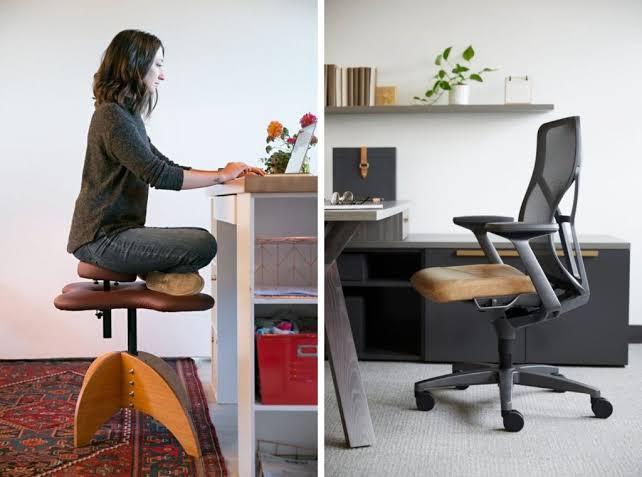

Ergonomic furniture is becoming increasingly relevant as people spend more time working, studying, and carrying out daily activities at desks and workstations. Chairs, desks, monitor stands, keyboard supports, footrests, and adjustable workstation systems are designed to improve posture, positioning, comfort, and ease of movement. The category is gaining attention across offices, home workspaces, educational institutions, healthcare environments, and other settings where users remain seated or engaged with work surfaces for extended periods.
A recent study by Markntel Advisor highlights that the ergonomic furniture outlook was valued at around USD 14.49 billion in 2025 and reached USD 15.98 billion in 2026, with the market set to reach USD 23.29 billion by 2032, registering a CAGR of 6.48% during 2026–2032. Growth is supported by changing workplace environments, increasing awareness of ergonomic practices, flexible working arrangements, demand for adjustable furniture, and greater attention to employee comfort.
Ergonomic Chairs Support Better Workstations
Chairs are one of the most visible applications of ergonomic design. Adjustable seat height, lumbar support, armrests, backrest positioning, and seat depth can help users configure chairs according to their individual body proportions and workstation requirements.
Office employees often spend several hours at a workstation, making chair design important for comfort during extended periods of sitting. Employers are also evaluating ergonomic seating as part of workplace design, particularly as businesses seek to create more adaptable and employee-oriented working environments.
Adjustable Desks Add Flexibility to Work
Height-adjustable desks provide users with the option to alternate between sitting and standing during the working day. Electric and manual adjustment mechanisms allow work surfaces to be positioned according to individual height and activity requirements.
Sit-stand workstations can also support shared offices where different employees use the same workstation. In home offices, adjustable desks can provide flexibility where limited space requires a single setup to support multiple activities.
The US Occupational Safety and Health Administration provides workstation guidance covering work surfaces, monitor placement, keyboard positioning, and other elements that can influence workstation comfort and usability.
Hybrid Work Changes Furniture Requirements
The expansion of hybrid and remote work has changed where people carry out professional activities. Employees may divide their time between corporate offices, home workspaces, co-working locations, and other environments.
This has created demand for furniture that can adapt to different spaces and working patterns. Compact desks, adjustable chairs, portable monitor stands, and flexible workstation accessories can help consumers create dedicated work areas without requiring large rooms.
For businesses, hybrid working can also influence office layouts. Organisations may require fewer fixed desks while increasing shared workstations, collaborative areas, meeting spaces, and flexible seating.
Home Offices Create New Consumer Demand
Home-based work has made ergonomic furniture more relevant to individual consumers. A dining table or standard chair may not provide the same adjustability as purpose-designed workstation furniture, encouraging users to invest in dedicated desks, chairs, monitor stands, and accessories.
The home-office segment also creates opportunities for products designed around smaller spaces. Folding desks, compact ergonomic chairs, adjustable laptop stands, and modular storage solutions can address the requirements of apartments and multipurpose rooms.
Education and Healthcare Broaden Applications
Ergonomic furniture is not limited to corporate workspaces. Educational institutions can use adjustable desks and seating to accommodate students of different sizes and activities. Libraries, training centres, laboratories, and computer rooms can also benefit from furniture designed around user comfort and workstation configuration.
Healthcare environments represent another application area. Furniture used in clinical, administrative, rehabilitation, and patient-support settings can require adjustability, stability, cleanability, and specialised ergonomic characteristics.
Technology Adds Smarter Furniture Features
Furniture manufacturers are increasingly incorporating technology into ergonomic products. Electrically adjustable desks, sensor-based controls, programmable height settings, and connected workstation systems can provide users with greater control over their environments.
Some advanced products can store preferred desk heights or provide reminders to change working positions. These features can make ergonomic furniture more interactive, although their practical value depends on ease of use, reliability, and whether users consistently apply the available adjustments.
Material Choices Influence Product Design
Ergonomic furniture manufacturers must balance comfort with durability, appearance, weight, adjustability, and production costs. Materials can include wood, metal, plastics, foam, mesh, textiles, and composite structures.
Mesh chair backs, for example, can provide breathability, while different foam densities can influence cushioning and support. Adjustable mechanisms must also withstand repeated movement and load cycles without compromising stability.
Sustainability Enters Furniture Decisions
Sustainability is becoming more relevant as businesses and consumers evaluate the environmental characteristics of furniture. Durable products can reduce replacement frequency, while modular components can make selected parts easier to repair or replace.
Manufacturers are also exploring recycled materials, responsible sourcing, recyclable components, and more efficient production processes. The ability to disassemble furniture at the end of its useful life can further influence product design.
Workplace Design Shapes Long-Term Demand
Ergonomic furniture is increasingly being considered as part of broader workplace design rather than as a standalone product category. Businesses can combine adjustable desks, ergonomic chairs, monitor positioning, lighting, collaborative spaces, and appropriate workstation layouts to create more adaptable environments.
As the ergonomic furniture market moves toward USD 23.29 billion by 2032, demand will continue to be shaped by hybrid work, home-office adoption, workplace redesign, adjustable products, and greater awareness of workstation configuration.
Future development will depend on how effectively manufacturers combine comfort, adjustability, durability, aesthetics, technology, affordability, and responsible material use. The category’s growing role across professional and personal spaces reflects a broader shift toward furniture designed around how people actually work and live.


