English
 Arabic
 Français
 Spanish
 Portuguese
 Deutsch
 Turkish
 Dutch
Dutch
 Italiano
 Russian
 Romaian
 Portuguese (Brazil)
 Greek
Greek
 Réunionnais
 India
India
Automotive Sector Embraces Hydrogen Fuel Cells, Fueling Market Growth
Autres |
2023-07-10 06:14:16
 Entreprises locales
 Runsound music
 La silver économie
 Affiliation Matrice 3x9
 Récompenses
 Babarun (BBRN)
 Calculez vos calories
 Collab Influenceurs
 Événementiels
 Procaly
 Affiliation
 Prêts Immobiliers

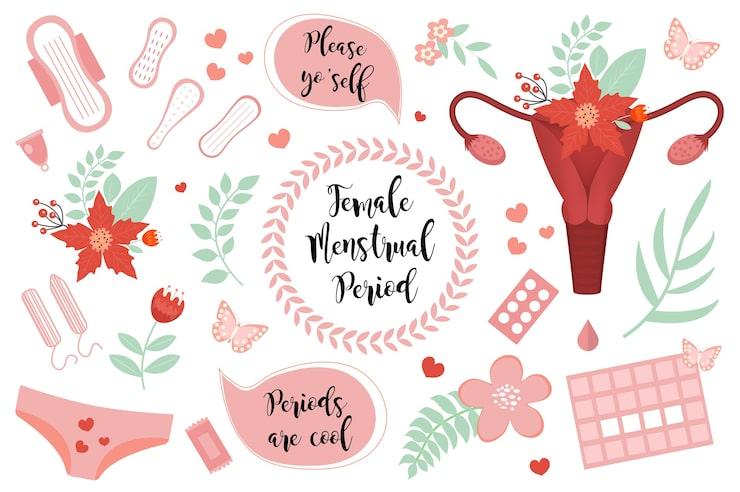
Menstrual care in Canada is increasingly connected with accessibility, dignity, product choice and informed use. Consumers can choose between disposable sanitary pads, tampons, menstrual cups, reusable pads and period underwear according to personal preferences and daily routines. At the same time, public initiatives are treating access to menstrual products as an important workplace and social inclusion issue, broadening the conversation beyond conventional retail purchasing.
According to a Vyansa Intelligence report, the Canada menstrual care market was valued at USD 380 million in 2025 and is projected to reach USD 410 million by 2032, representing a 1.09% CAGR during 2026–2032.
Canada’s approach to menstrual care increasingly recognizes pads and tampons as basic hygiene necessities rather than optional personal purchases.
Federal workplace requirements make menstrual products available to employees who need them in federally regulated workplaces. Government guidance describes menstrual products as essential to health and participation in work and society.
For a Canada menstrual care market analysis, this reflects a wider shift in how menstrual products are understood. Accessibility is becoming connected with workplace inclusion, personal dignity and the ability to participate comfortably in everyday activities.
Disposable sanitary pads offer external protection and remain one of the most straightforward menstrual-management options.
Different product constructions can address daytime use, overnight protection and varying individual preferences. Comfort, secure positioning, absorbency and discreet design are therefore important areas through which manufacturers can differentiate their products.
Canadian federal workplace guidance identifies pads alongside tampons as essential menstrual products and describes pads as disposable external protection designed to absorb menstrual fluid.
These detailed menstrual care industry insights reinforce the continuing relevance of familiar products even as alternative formats become more visible.
Tampons provide another option for consumers who prefer internal menstrual protection.
In Canada, tampons are regulated as medical devices. Health Canada oversees their safety, effectiveness and quality through requirements concerning licensing, manufacturing and post-market surveillance. Product labelling must also communicate appropriate information about absorbency and safe use.
For a menstrual care industry report, this regulatory framework highlights the importance of quality assurance and clear instructions.
Consumers need sufficient information to select an appropriate product and understand how it should be used safely.
There is no single menstrual product that suits every person or every situation.
Someone may prefer disposable pads for everyday use while selecting tampons for particular activities. Other consumers may be more comfortable with reusable pads, menstrual cups or period underwear.
Canada’s Menstrual Equity Fund recognizes the importance of choice by supporting access to disposable options while also including reusable menstrual products in some locations.
For manufacturers and retailers, this creates opportunities to address different preferences rather than positioning one product format as universally suitable.
Reusable menstrual products provide alternatives for consumers who want to reduce dependence on single-use options.
Menstrual cups collect menstrual fluid and require appropriate cleaning and handling, while reusable pads and period underwear need suitable washing and drying between uses.
These products create different requirements from disposable alternatives. Instructions need to explain appropriate care clearly, and consumers need access to suitable hygiene facilities.
For the latest menstrual care industry analysis, reusable products represent another dimension of consumer choice rather than a complete replacement for established disposable products.
Menstruation can begin unexpectedly while someone is at work, making immediate access to appropriate products important.
Canada’s federal workplace framework requires applicable employers to make pads and tampons available without cost to employees who need them. The products must be provided in locations that offer accessibility and reasonable privacy.
This approach reduces reliance on employees always carrying their own supplies and integrates menstrual products into ordinary workplace sanitation arrangements.
It also demonstrates how institutional purchasing can complement conventional consumer retail channels.
Having access to a menstrual product is only one part of managing menstruation with dignity.
Women and Gender Equality Canada describes menstrual equity as encompassing access to products as well as education concerning sexual and reproductive health and rights. It also recognizes that barriers can involve hygiene facilities, waste management and social attitudes surrounding menstruation.
For Canada menstrual care market research, this broader perspective is important. Better access works most effectively when consumers also have appropriate information and facilities for using products confidently.
As the number of available menstrual-care formats expands, product education becomes increasingly valuable.
Consumers considering an unfamiliar format need clear information about how it is used, maintained and incorporated into daily routines. Even familiar products benefit from straightforward guidance regarding appropriate use.
Health Canada’s requirements for tampon labelling demonstrate the importance of communicating safety-related information directly on menstrual products.
Brands can strengthen consumer confidence by making instructions easy to understand rather than relying primarily on promotional claims.
Online shopping provides a convenient way for consumers to compare menstrual-care options privately.
Product pages can communicate absorbency, materials, intended use and care instructions while helping consumers explore alternatives they may not regularly encounter in physical stores.
This is particularly useful for reusable formats that may require more explanation than familiar disposable products.
Retailers can support informed purchasing through accurate descriptions, practical usage guidance and clear distinctions between different product types.
Canada’s menstrual-care landscape increasingly combines everyday product performance with a wider emphasis on accessibility and dignity.
Pads and tampons continue to provide familiar menstrual protection, while reusable options broaden the choices available to consumers. At the same time, workplace access initiatives demonstrate how menstrual products are increasingly being recognized as basic necessities.
For manufacturers and retailers, the opportunity lies in making menstrual management easier rather than more complicated. Comfortable products, dependable performance, responsible quality controls, understandable instructions and meaningful product choice can collectively improve the experience for consumers.
As awareness around menstrual equity continues to develop, accessibility and informed choice can remain important foundations for period care across Canada.