

Brazil’s Enzyme Economy Advances Across Food, Biofuel, and Industrial Processing

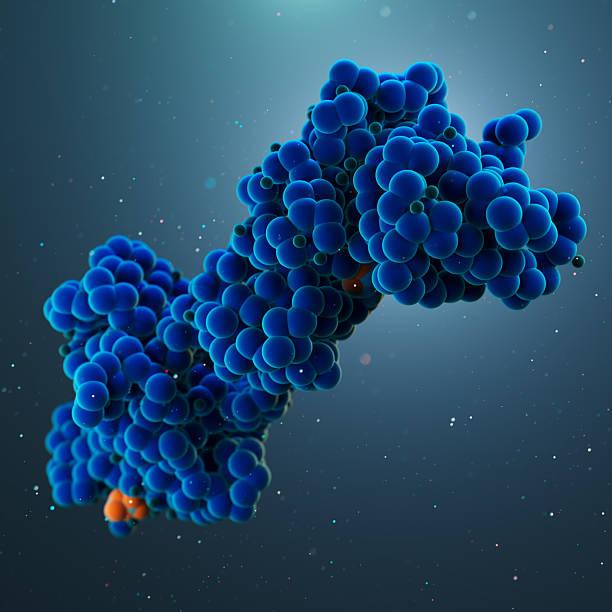
Enzymes are biological catalysts that accelerate specific chemical reactions without being permanently consumed. Their ability to operate under controlled temperatures and processing conditions makes them valuable across food manufacturing, biofuel production, detergents, animal nutrition, agriculture, textiles, pharmaceuticals, and pulp and paper. Brazil’s extensive agricultural resources and diversified manufacturing base provide a strong foundation for wider enzyme use across both established and emerging industrial applications.
A recent study by MarkNtel Advisors highlights that the Brazil enzymes sector was valued at USD 320 million in 2025. It is projected to grow from USD 346 million in 2026 to USD 481 million by 2032, registering a CAGR of 5.64% during 2026–2032. Expansion reflects food-processing activity, renewable-fuel production, agricultural output, and increasing adoption of biotechnology-based industrial processes.
Food Processing Creates Diverse Enzyme Applications
Food manufacturers use enzymes to modify proteins, carbohydrates, and fats during production. Amylases can convert starch into simpler sugars, proteases break down proteins, and lipases support reactions involving fats and oils. These functions are relevant to baking, dairy processing, brewing, juice production, meat processing, starch modification, and confectionery manufacturing.
The U.S. Food and Drug Administration identifies enzyme preparations used in foods such as cheese, dairy products, and meat. Their effectiveness depends on biological source, purity, concentration, temperature, acidity, processing time, and compatibility with the complete formulation.
Carbohydrases Hold a Leading Position
Carbohydrases accounted for a 40% share of Brazil’s enzyme landscape in 2026. This broad category includes amylases, cellulases, lactases, and other enzymes that act on carbohydrates. Their applications extend across bread production, brewing, dairy processing, fruit-juice clarification, animal feed, and biomass conversion.
Lactase breaks lactose into glucose and galactose, supporting the production of lactose-reduced dairy products. Amylases help convert starch during baking, brewing, and sweetener production. Cellulases can modify plant fibres and contribute to processes involving agricultural residues, textiles, pulp, paper, and bio-based fuels.
Biofuels Strengthen Industrial Biotechnology
Brazil’s established sugarcane and ethanol industries create significant opportunities for enzyme technology. Enzymes help convert complex plant materials into fermentable sugars, which microorganisms can then process into fuel. Their role is particularly relevant when producers seek to extract value from bagasse, straw, and other lignocellulosic residues.
Embrapa Agroenergy identifies microorganisms and enzymes as important components of industrial biochemical processes intended to minimise waste and add value to biomass. Continued research into enzyme combinations, fermentation, and feedstock preparation could improve the commercial processing of agricultural resources.
Animal Nutrition Supports Feed Efficiency
Enzymes are incorporated into livestock and poultry feed to help animals digest nutrients that may otherwise remain partially unavailable. Phytases, proteases, carbohydrases, and related products can act on phosphorus-containing compounds, proteins, fibres, and complex carbohydrates.
Their use may support more efficient feed formulation while reducing undigested nutrients in animal waste. Performance varies according to animal species, feed composition, enzyme stability, storage, and processing temperature. Producers must therefore select enzyme preparations suited to specific nutritional and manufacturing conditions rather than applying one formulation across every feed system.
Detergents Benefit From Targeted Cleaning
Laundry and institutional cleaning products use enzymes to address different stain categories. Proteases act on protein-based residues, lipases help break down oils and fats, and amylases target starch-containing soils. Cellulases may also support fabric appearance and surface-care functions in selected formulations.
These biological ingredients can complement surfactants and builders, but their stability must be maintained during manufacturing and storage. Formulators need to consider water content, pH, temperature, preservatives, and interactions with other ingredients when designing enzyme-containing cleaning products.
Regional Industry Concentration Shapes Demand
Brazil’s Southeast region accounted for a 40% share of national enzyme demand in 2026. The region contains major concentrations of food and beverage manufacturing, pharmaceutical production, chemical processing, research institutions, and industrial infrastructure.
This concentration supports technical collaboration between enzyme suppliers, universities, research organisations, and downstream manufacturers. Local application support is particularly important because industrial enzymes must be matched with individual raw materials, equipment configurations, reaction conditions, and production objectives.
Safety Assessment Remains Essential
Enzymes may originate from plants, animals, or microorganisms, and commercial preparations can also contain stabilisers, preservatives, or processing residues. Food applications therefore require careful assessment of the production organism, manufacturing process, purity, possible allergens, intended use, and consumer exposure.
The European Food Safety Authority assesses new food enzymes and proposed uses before they can be placed on the European Union market. Such evaluations demonstrate the importance of scientific documentation, manufacturing controls, and clear specifications when enzyme products enter regulated applications.
Biological Processing Enters a Wider Commercial Phase
Brazil’s enzyme landscape will remain connected to food manufacturing, biofuels, agriculture, animal nutrition, detergents, and industrial biotechnology. Future development will depend on production costs, research capacity, application expertise, regulatory compliance, and access to reliable biological feedstocks. As manufacturers pursue more controlled and resource-efficient processes, enzymes will continue supporting productivity, material conversion, and product consistency.


