

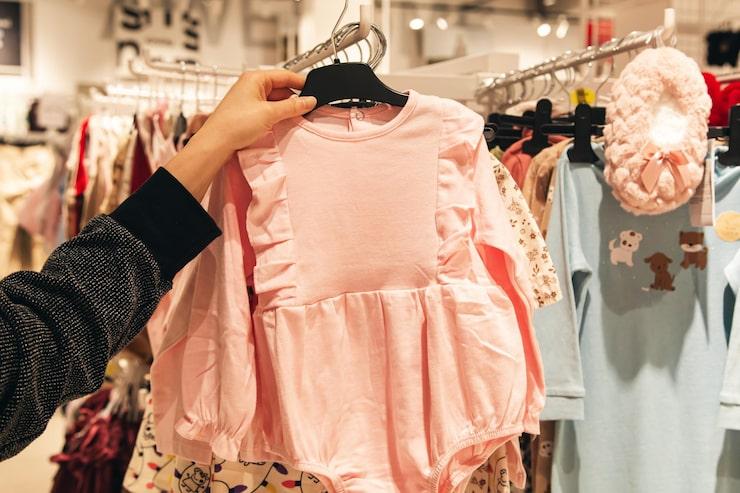
Comfort, Local Textiles and Digital Shopping Are Reshaping Children’s Clothing in the Philippines

Children’s clothing in the Philippines is evolving as parents balance comfort, durability, affordability, design, and suitability for the country’s tropical climate. Families increasingly encounter childrenswear through both physical stores and digital channels, while textile innovation is creating opportunities for locally developed fabrics and more sustainable production. For brands and retailers, success increasingly depends on understanding what parents value at different stages of a child’s development.
According to a Vyansa Intelligence report, the Philippines childrenswear market was valued at USD 820 million in 2025 and is projected to reach USD 995 million by 2032, representing a 2.8% CAGR during 2026–2032.
Comfort Is Central to Children’s Clothing Choices
Children need clothing that accommodates movement, active play, school activities, and changing weather conditions. Lightweight fabrics, breathable constructions, soft textures, and practical fits can therefore be especially important in the Philippines.
Parents may also evaluate garments according to how easily they can be washed and how well they retain their shape after repeated use. Younger children can require frequent clothing changes, while school-age children need garments capable of handling active daily routines.
For a Philippines childrenswear market analysis, functional performance is therefore just as important as visual appeal.
A Large Young Population Supports a Broad Consumer Base
The Philippines has a substantial population of children and adolescents, creating a diverse customer base extending from newborn apparel to clothing for teenagers.
Philippine Statistics Authority data covering children aged 5–17 demonstrates the scale of this demographic, with its 2025 labor survey implying a population of roughly 28 million children within this age range alone.
Different age groups create distinct clothing requirements. Infant garments emphasize softness and convenience, while older children increasingly influence decisions surrounding colors, graphics, fits, and styles.
These detailed childrenswear industry insights illustrate why brands benefit from segmenting products according to developmental stage rather than treating children as one uniform customer group.
Tropical Conditions Influence Fabric Selection
The Philippine climate makes fabric performance particularly relevant. Breathability, moisture management, softness, and comfort can influence everyday clothing selection, especially for garments worn for long periods.
Natural and blended fibers provide manufacturers with opportunities to develop products suited to local conditions. The Department of Science and Technology’s Philippine Textile Research Institute (DOST-PTRI) has been developing Philippine Tropical Fabrics using locally available fibers such as pineapple leaf, abaca, banana, and silk.
Although these materials serve the wider textile sector rather than childrenswear alone, continued textile innovation can eventually expand the range of locally relevant fabrics available to apparel manufacturers.
Local Textile Innovation Can Support Product Differentiation
Philippine textile development is increasingly connecting traditional natural fibers with modern manufacturing and research.
DOST-PTRI describes its objective as developing a sustainable, competitive, and inclusive textile-garment sector while mainstreaming locally developed textile solutions. Its work includes research, yarn development, natural fibers, textile testing, and technologies supporting garment production.
For a childrenswear industry report, this creates an interesting opportunity. Brands could differentiate selected collections through locally sourced materials, Filipino textile stories, or partnerships with domestic producers while maintaining the comfort and durability required for children.
Better Sizing Can Improve the Shopping Experience
Fit presents a distinctive challenge in childrenswear because children develop quickly and body proportions vary considerably.
The Philippine textile research ecosystem is actively working on localized sizing. DOST-PTRI projects include the development of a Philippine sizing system supported by anthropometric data and 3D scanning, with the objective of helping manufacturers, retailers, designers, and other apparel stakeholders develop products based more closely on Filipino physiques.
Although the initiative covers apparel more broadly, localized measurement data can eventually provide useful insights for improving garment fit and reducing dependence on sizing systems developed for other populations.
Digital Shopping Is Changing How Parents Compare Products
Online retail and social platforms allow parents to compare childrenswear according to price, material, size, design, reviews, and availability without visiting multiple stores.
This convenience is particularly valuable for repeat purchases such as everyday T-shirts, shorts, sleepwear, school-related clothing, and basic apparel.
However, online childrenswear also creates challenges. Parents cannot physically examine fabric quality or confirm fit before purchasing, making accurate measurements, detailed product descriptions, fabric information, and clear photographs particularly important.
Durability Can Strengthen Perceived Value
Children can quickly place clothing under significant physical stress. Frequent washing, outdoor activity, school routines, and rapid changes in body size influence how parents assess value.
A lower purchase price does not necessarily represent better value if garments lose shape or deteriorate quickly. Durable seams, color retention, comfortable fabrics, and reliable sizing can therefore strengthen consumer satisfaction.
For the latest childrenswear industry analysis, value increasingly needs to be understood as a combination of affordability, quality, functionality, and expected usage.
Sustainability Is Entering Apparel Development
Sustainability is becoming more visible across the Philippine textile industry. DOST-PTRI describes innovation and sustainability as important drivers for rebuilding a stronger and more circular textile-garment economy.
Its current research also includes textile upcycling, where post-industrial garment waste is processed into fibers that can be incorporated into new textiles.
For childrenswear manufacturers, circular approaches could eventually influence fabric sourcing, production waste management, packaging, garment durability, and end-of-life strategies.
Local Manufacturing Can Support Faster Product Development
A stronger domestic textile and garment ecosystem can give apparel businesses greater flexibility in developing products adapted to local consumers.
DOST-PTRI continues to support textile and garment enterprises through applied research, technology transfer, technical services, training, testing, and product development.
Closer relationships between textile developers and apparel manufacturers could support experimentation with tropical fabrics, localized sizing, functional finishes, and smaller production runs.
Practical Design Will Remain a Competitive Advantage
Philippine childrenswear sits at the intersection of fashion and everyday functionality. Parents want attractive clothing, but garments also need to survive frequent washing, active movement, tropical conditions, and rapidly changing sizing requirements.
Brands capable of combining comfortable materials, dependable construction, appropriate sizing, accessible pricing, and convenient digital purchasing can address these practical expectations effectively.
At the same time, domestic textile innovation creates opportunities for more distinctive Filipino apparel products. As local fibers, sustainable textile technologies, improved sizing systems, and digital retail develop further, children’s clothing can become more closely aligned with the lifestyles and physical requirements of Filipino families.


