

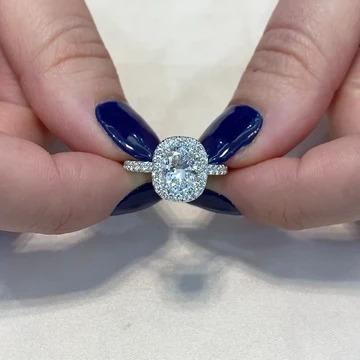

How to Care for and Maintain White Gold Jewelry
White gold jewelry is a popular choice for its clean appearance and ability to complement different gemstones and styles. However, like any fine jewelry, it needs regular care to maintain its surface and overall condition. Everyday exposure to lotions, perfumes, soaps, sweat, dust, and household chemicals can gradually affect its appearance.
Taking a few simple precautions can help reduce scratches, prevent unnecessary wear, and keep your jewelry looking well cared for. Whether a piece is worn every day or reserved for special occasions, understanding the right cleaning and storage habits makes a noticeable difference.
Understand Your White Gold Jewelry
Before creating a cleaning routine, it helps to understand the material. White gold is an alloy made by combining gold with other metals. The exact composition can vary depending on the jewelry piece and its manufacturer. Many white gold pieces are also finished with rhodium plating, which gives the surface its bright, reflective white appearance.
Over time, this outer plating can become thinner because of friction and regular use. Areas that experience frequent contact, such as the underside of a band or the edges of a setting, may show signs of wear sooner than other parts.
If you want to understand the material behind this type of jewelry, read more about what is white gold made of to learn how its composition affects its appearance and use.
Knowing that white gold may have a plated surface is important when choosing cleaning methods. Harsh products or rough materials can cause unnecessary surface wear, while gentle cleaning is generally better for preserving the finish.
Clean White Gold Without Damaging It
Regular cleaning does not need to be complicated. In many cases, mild soap, lukewarm water, and a soft cloth are enough to remove everyday buildup.
Start by preparing a small bowl of lukewarm water with a few drops of mild liquid soap. Place the jewelry in the solution for a short period, allowing surface dirt and residue to loosen. Use a very soft toothbrush to gently clean difficult areas, especially around settings where dust can collect.
Avoid applying heavy pressure. Fine jewelry can contain delicate settings, and aggressive brushing may cause unnecessary friction around small components. After cleaning, rinse the piece carefully with clean water.
Dry it with a soft, lint-free cloth rather than rubbing it vigorously. Allowing the jewelry to dry completely before storing it can also help prevent moisture from remaining in small spaces.
Cleaning frequency depends on how often the piece is worn. Jewelry used daily may benefit from gentle cleaning every few weeks, while occasional pieces may only need attention when visible residue appears.
Protect Jewelry During Everyday Activities
Many types of damage can be avoided simply by removing white gold jewelry at the right time. Household cleaning products, chlorine, and other chemicals may affect metals or finishes, particularly with repeated exposure.
It is sensible to remove jewelry before swimming, using strong cleaning products, gardening, exercising, or performing activities that involve heavy friction. Sweat and dirt can also collect around the jewelry during physical activity, so removing it beforehand can make maintenance easier.
Personal care products should also be applied before putting jewelry on. Perfume, hairspray, creams, sunscreen, and lotions can leave a film on the surface. This does not necessarily cause immediate damage, but repeated buildup can make the jewelry look dull and require more frequent cleaning.
Jewelry should also be protected from physical impact. Avoid wearing delicate pieces when lifting heavy objects or carrying out tasks where the jewelry could hit a hard surface. Even when the metal itself appears strong, gemstones and settings can be affected by sudden impacts.
For pieces with gemstones, pay particular attention to the setting. If a stone appears loose, the jewelry should be inspected by a professional rather than being worn until the issue is resolved.
Store and Maintain White Gold Properly
Proper storage is just as important as cleaning. Jewelry pieces can scratch one another when placed together, particularly when harder gemstones come into contact with softer metal surfaces.
Store each piece separately whenever possible. A fabric-lined jewelry box, individual pouch, or compartmented organizer can help prevent unnecessary contact. Keep jewelry away from areas with excessive humidity and avoid leaving pieces loose on bathroom counters.
When traveling, use a dedicated jewelry case rather than placing pieces directly into a handbag or luggage compartment. Movement during travel can cause jewelry to rub against other objects, increasing the chance of scratches or damage.
Regular professional inspection is also useful for frequently worn parts. A jeweler can check the setting, prongs, clasps, and surface condition. If rhodium plating has worn away, professional refinishing can restore the bright white appearance of the jewelry.
The timing of replating varies depending on how frequently the piece is worn and how much friction it experiences. There is no universal schedule, so the condition of the jewelry is a better guide than a fixed date.
Simple Clothes That Make a Difference
Caring for white gold does not require an elaborate routine. The most useful habits are consistent and practical: clean gently, avoid unnecessary chemical exposure, remove jewelry during demanding activities, and store each piece separately.
It is also helpful to examine frequently worn jewelry from time to time. Look for scratches, changes in the surface, loose stones, damaged prongs, or worn areas. Identifying small problems early can make repairs easier and may help prevent more serious damage.
With thoughtful daily care and occasional professional maintenance, white gold jewelry can remain in good condition for years. Antiquecut offers jewelry designed with attention to materials, settings, and craftsmanship, making proper care an important part of enjoying each piece over time.
Conclusion
White gold jewelry can remain attractive and well maintained when it receives the right care. Gentle cleaning helps remove everyday buildup, while avoiding harsh chemicals and physical impact can reduce unnecessary wear. Proper storage prevents scratches, and professional inspections can identify problems before they become more difficult to repair.
The most important approach is consistency. Small habits, such as removing jewelry before exercising or cleaning the house and storing pieces separately, can protect the finish and settings over the long term. With regular attention and careful handling, your white gold jewelry can continue to be a valued part of your collection for many years.


