English
 Arabic
 Français
 Spanish
 Portuguese
 Deutsch
 Turkish
 Dutch
Dutch
 Italiano
 Russian
 Romaian
 Portuguese (Brazil)
 Greek
Greek
 Réunionnais
 India
India
Lottery Market Demand for Secure and Transparent Lottery Systems
Autres |
2026-07-08 15:26:58
 Entreprises locales
 Runsound music
 La silver économie
 Affiliation Matrice 3x9
 Récompenses
 Babarun (BBRN)
 Calculez vos calories
 Collab Influenceurs
 Événementiels
 Procaly
 Affiliation
 Prêts Immobiliers

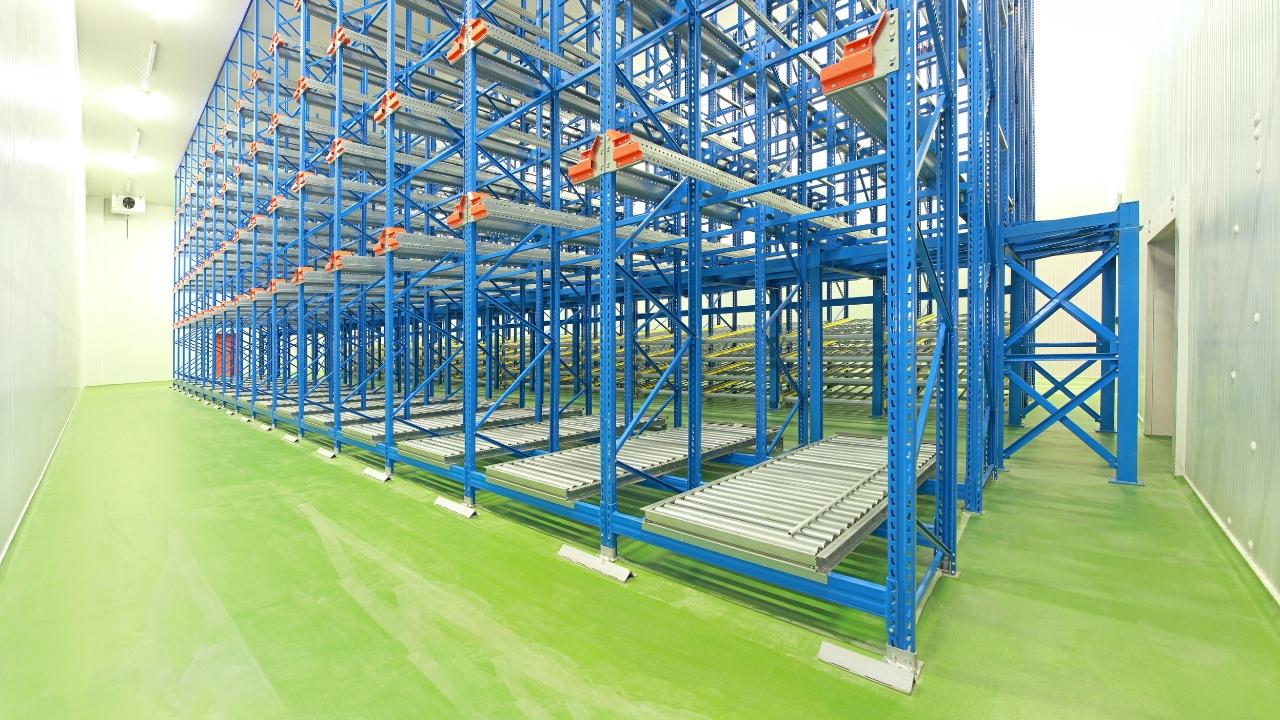
A mezzanine rack is one of the most effective storage solutions for improving warehouse efficiency and productivity. By maximizing vertical space and organizing inventory, businesses can streamline daily operations. Master Racks Limited provides high-quality mezzanine storage systems designed to support modern warehouse requirements.
In today's competitive business environment, warehouses must operate quickly, safely, and efficiently. Whether managing a manufacturing facility, distribution center, or e-commerce warehouse, efficient storage directly impacts productivity, customer satisfaction, and operational performance.
One proven way to optimize warehouse operations is by installing a mezzanine rack. Instead of expanding a facility, businesses can create additional storage levels within the existing building, making better use of available space while improving workflow.
A well-designed warehouse not only stores products efficiently but also reduces unnecessary movement, minimizes operational delays, and supports long-term business growth.
A mezzanine rack is an elevated storage system that combines industrial racking with a structural platform to create additional usable floor space inside a warehouse.
Unlike traditional storage methods, mezzanine systems maximize unused vertical space without increasing the building footprint. Depending on operational needs, these systems can support storage areas, picking zones, packing stations, offices, or production spaces.
Because every warehouse has unique requirements, mezzanine systems can be customized in terms of size, load capacity, layout, and accessibility.
One of the primary reasons businesses invest in mezzanine systems is to significantly increase storage capacity.
Many warehouses have high ceilings that remain underutilized. Instead of leaving this valuable space unused, mezzanine platforms transform it into productive storage areas.
Additional storage levels provide room for:
Finished goods
Raw materials
Packaging supplies
Spare parts
Seasonal inventory
Archived records
By utilizing vertical space effectively, businesses can accommodate growing inventory without expanding their facilities.
Efficient space utilization is essential for warehouse performance.
Traditional layouts often leave significant overhead space unused. Mezzanine systems convert this empty area into functional storage or operational workspaces.
This approach helps businesses:
Maximize warehouse capacity
Reduce floor congestion
Improve storage organization
Increase operational flexibility
Making full use of existing infrastructure supports sustainable warehouse growth.
Quick access to inventory plays a major role in warehouse productivity.
Poorly organized warehouses often require employees to spend unnecessary time searching for products.
Mezzanine systems create dedicated storage zones that simplify inventory organization and improve accessibility.
As a result, employees can:
Locate products faster
Reduce picking time
Improve order accuracy
Complete daily tasks more efficiently
Faster inventory retrieval contributes to improved customer service and shorter delivery times.
Organization is one of the biggest factors affecting warehouse efficiency.
A structured mezzanine layout separates inventory into logical storage areas based on product category, demand, or workflow.
For example:
Fast-moving inventory
Shipping materials
Frequently accessed products
Seasonal inventory
Overstock products
Spare equipment
Archive storage
This organized arrangement minimizes confusion and improves operational consistency.
Employees perform better when warehouse layouts support efficient movement.
Mezzanine systems reduce unnecessary walking by positioning products closer to workstations and organizing inventory more effectively.
Improved layouts help employees:
Complete tasks faster
Spend less time searching
Reduce physical strain
Increase daily output
Higher productivity leads to better warehouse performance and improved customer satisfaction.
Order picking is one of the most time-consuming warehouse activities.
A well-planned mezzanine system shortens picking routes and reduces travel distances.
Benefits include:
Faster order fulfillment
Better inventory accuracy
Reduced labor effort
Improved workflow coordination
Efficient picking processes allow warehouses to handle higher order volumes with greater consistency.
Warehouse operations involve receiving, storing, picking, packing, and shipping inventory.
A mezzanine system helps separate these activities into dedicated operational zones.
Examples include:
Receiving area
Storage area
Packing station
Quality inspection
Shipping section
Clearly defined work areas reduce congestion and improve overall workflow efficiency.
Modern warehouses increasingly rely on automation technologies.
Mezzanine systems can integrate with:
Conveyor systems
Warehouse Management Systems (WMS)
Barcode scanning equipment
Automated picking systems
Material handling equipment
This compatibility supports digital warehouse operations and future technology upgrades.
Safe warehouse environments contribute directly to productivity.
Professionally designed mezzanine systems include important safety features such as:
Guardrails
Safety gates
Protective barriers
Anti-slip flooring
Clearly marked access points
Regular inspections and employee training further improve workplace safety while reducing operational risks.
Warehouse expansion often involves lengthy construction projects and operational disruption.
Installing a mezzanine system provides additional storage within the existing building, eliminating the need for immediate expansion.
Businesses benefit from:
Better use of available infrastructure
Less operational interruption
Improved facility utilization
Greater flexibility for future growth
This makes mezzanine systems an efficient long-term storage strategy.
One of the greatest strengths of mezzanine systems is their versatility.
Different industries can customize layouts based on operational needs.
Manufacturers use mezzanines for storing raw materials, finished products, tools, and production equipment.
Online retailers benefit from organized inventory storage and faster order fulfillment.
Distribution centers manage seasonal inventory more efficiently using additional storage levels.
Vehicle parts warehouses organize thousands of components while maintaining quick accessibility.
Medical warehouses improve inventory management through organized shelving and controlled storage zones.
Warehouses handling packaged products benefit from structured layouts that support efficient stock rotation.
Growing businesses require storage systems that can expand with increasing inventory.
Many mezzanine systems are modular, allowing businesses to add storage levels or modify layouts as operational needs evolve.
This scalability supports:
Business expansion
Product diversification
Higher inventory volumes
Long-term operational planning
Future-ready warehouse infrastructure helps businesses remain competitive.
Making better use of existing warehouse space is often more practical than relocating or expanding.
A mezzanine system improves storage density without increasing the building footprint.
This allows companies to optimize current facilities while maintaining efficient daily operations.
Industrial mezzanine systems are built using high-strength steel designed for demanding warehouse environments.
Quality construction provides:
Excellent structural stability
High load capacity
Long operational lifespan
Reliable daily performance
Routine maintenance ensures continued safety and long-term reliability.
Efficient warehouse planning also supports sustainability goals.
By maximizing existing infrastructure, businesses reduce the need for new construction and improve overall resource utilization.
Benefits include:
Better land use
Reduced construction waste
Improved energy efficiency
Sustainable warehouse operations
These practices contribute to environmentally responsible business growth.
Choosing the right warehouse storage partner is essential for long-term operational success.
Master Racks Limited specializes in designing customized industrial storage solutions that improve warehouse efficiency, maximize vertical space, and support business growth.
From mezzanine platforms and pallet racking to complete warehouse storage systems, Master Racks Limited delivers durable, reliable, and professionally engineered solutions tailored to modern industrial requirements.
With extensive industry knowledge, engineering expertise, and a commitment to quality, Master Racks Limited helps businesses create organized, safe, and highly productive warehouse environments.
Proper planning ensures maximum efficiency and long-term performance.
Evaluate inventory levels, ceiling height, floor strength, and available space before installation.
Arrange storage areas according to inventory movement and operational priorities.
Ensure guardrails, staircases, safety gates, and load ratings meet industry requirements.
Routine maintenance helps identify wear, maintain structural integrity, and improve safety.
Choose modular designs that can be expanded as business requirements grow.
A mezzanine rack is a smart investment for improving warehouse efficiency, maximizing storage capacity, and increasing productivity. With customized storage solutions from Master Racks Limited, businesses can optimize operations, support future growth, and build a safer, more organized warehouse environment.