

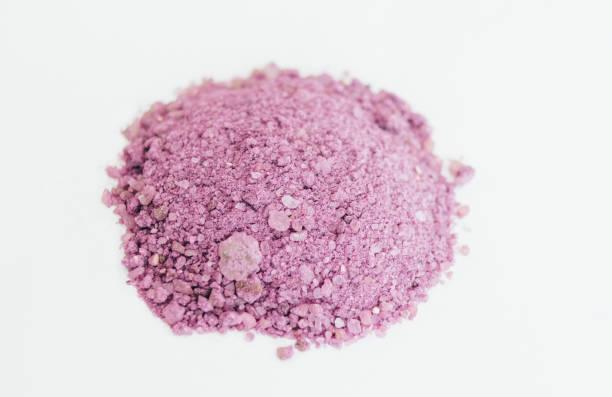
Manganese Sulfate Is Supporting the Evolution of Modern Agriculture and Advanced Materials

Manganese sulfate is an important inorganic compound used across agriculture, animal nutrition, industrial chemicals, and advanced manufacturing. As an essential source of manganese, it plays a vital role in crop nutrition, livestock health, specialty chemical production, and emerging battery material applications. Increasing focus on agricultural productivity, micronutrient management, and industrial material innovation continues to expand its commercial importance across multiple sectors.
According to a study published by Vyansa Intelligence, the Manganese Sulfate Market size was valued at USD 3.96 Billion in 2025 and is projected to reach USD 4.53 Billion by 2032, expanding at a CAGR of 1.94% during 2026-2032.
Rising demand for micronutrient fertilizers, livestock nutrition, specialty chemicals, and battery materials continues to support the Manganese Sulfate Market growth.
Manganese Sulfate Serves Diverse Industrial Applications
Manganese sulfate is primarily produced by reacting manganese ore or manganese compounds with sulfuric acid. The resulting material is widely used as a micronutrient fertilizer, feed additive, industrial chemical intermediate, and raw material for selected battery chemistries.
Its excellent solubility and high manganese content make it suitable for correcting manganese deficiencies in crops and animal diets. The compound also supports numerous industrial processes where controlled manganese supplementation is required. These diverse applications continue shaping Manganese Sulfate Market trends across global industries.
Agriculture Remains the Largest Demand Driver
Agriculture continues to represent one of the largest application areas for manganese sulfate. Manganese is an essential micronutrient that supports photosynthesis, enzyme activation, chlorophyll formation, and plant metabolism. Deficiencies can reduce crop productivity, making balanced micronutrient application an important component of modern farming.
The Food and Agriculture Organization (FAO) continues to promote balanced plant nutrition and sustainable soil management to improve agricultural productivity. Manganese sulfate fertilizers help restore soil nutrient balance while supporting higher crop quality and yield. Historical industry data also shows fertilizer applications account for a substantial share of manganese sulfate consumption.
Growing adoption of precision agriculture and micronutrient management practices continues supporting long-term demand.
Animal Nutrition Strengthens Commercial Consumption
Livestock producers use manganese sulfate as a trace mineral supplement in feed formulations for poultry, cattle, swine, and aquaculture. Manganese contributes to bone development, reproductive performance, enzyme activity, and overall animal health.
Commercial feed manufacturers increasingly formulate balanced diets containing essential minerals to improve production efficiency and animal welfare. Scientific nutrition programmes encourage the use of standardized mineral supplementation to ensure consistent livestock performance.
The continued expansion of commercial animal production is expected to sustain demand across the feed industry.
Battery Manufacturing Creates New Opportunities
Growing investment in electric mobility and energy storage technologies is expanding interest in high-purity manganese compounds. Manganese plays an important role in several lithium-ion battery chemistries, including nickel-manganese-cobalt (NMC) cathodes that are widely used in electric vehicles.
The Organisation for Economic Co-operation and Development (OECD) highlights that critical minerals, including manganese, are becoming increasingly important for clean energy technologies, advanced manufacturing, and battery supply chains as countries accelerate the energy transition.
Although battery-grade manganese sulfate represents a specialized application, continued investment in battery manufacturing is creating new long-term opportunities for producers.
Industrial Applications Continue to Expand
Beyond agriculture and batteries, manganese sulfate is utilized in specialty chemicals, ceramics, pigments, catalysts, and selected industrial manufacturing processes. Its controlled chemical properties make it valuable in formulations requiring reliable manganese content and high purity.
Manufacturers continue improving production technologies to deliver consistent product quality while meeting increasingly stringent industrial specifications. Enhanced purification methods and quality assurance systems support wider adoption across high-value industrial applications.
These developments continue strengthening the Manganese Sulfate Market forecast as industrial diversification expands.
Sustainability Encourages Efficient Resource Utilization
Sustainability initiatives are encouraging manufacturers to improve production efficiency, optimize raw material utilization, and reduce environmental impacts throughout the chemical value chain. Modern production facilities increasingly focus on cleaner processing technologies, improved waste management, and responsible resource utilization.
International organizations such as the OECD continue supporting policies that promote sustainable chemical management and responsible production practices across industrial sectors.
Growing emphasis on environmental stewardship is expected to support further innovation in manganese compound manufacturing.
Competitive Landscape
Competition within the industry is based on product purity, manufacturing efficiency, reliable raw material sourcing, regulatory compliance, and application expertise. Producers continue investing in advanced processing technologies, quality assurance programmes, and production capacity to meet evolving customer requirements across agriculture, industrial chemicals, and advanced materials.
Strategic collaboration between chemical manufacturers, fertilizer companies, battery material suppliers, and agricultural organizations continues supporting product development and supply chain resilience.
Future Direction
Future development will be driven by precision agriculture, balanced micronutrient fertilization, commercial livestock production, specialty chemical manufacturing, and increasing demand for battery materials supporting clean energy technologies. Continued advances in purification technologies and sustainable production methods are expected to improve product quality while expanding application opportunities.
As agricultural productivity, industrial modernization, and energy transition initiatives continue advancing, manganese sulfate will remain an important industrial chemical supporting multiple high-value sectors. These developments position the Manganese Sulfate Market for steady long-term expansion.
Conclusion
Manganese sulfate continues to play an important role across agriculture, animal nutrition, specialty chemicals, and emerging battery applications. Its versatility, nutritional value, and industrial utility support growing adoption across diverse end-use industries. As innovation, sustainability, and advanced manufacturing continue shaping global demand, manganese sulfate will remain an essential material supporting efficient agricultural production and modern industrial development.


