

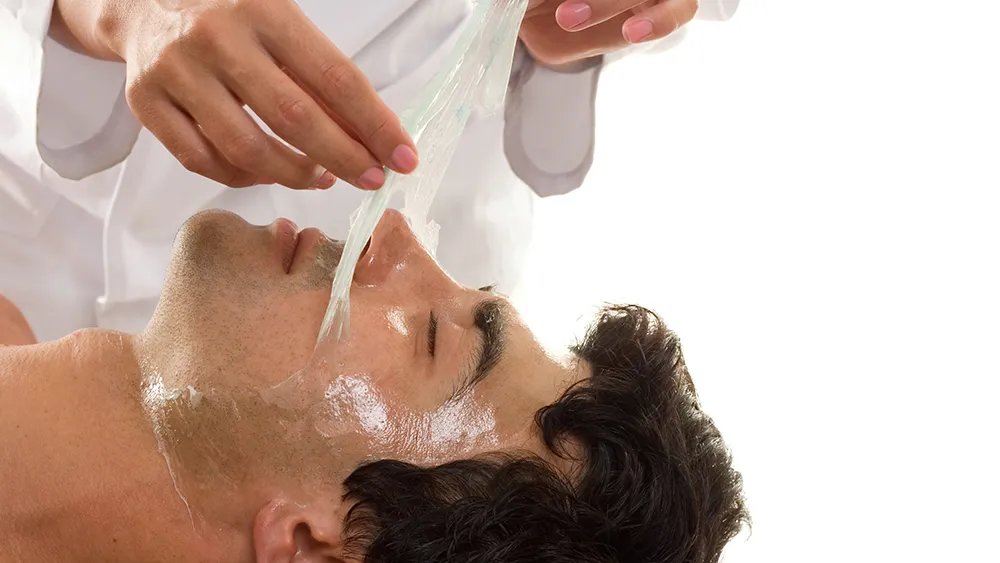

Healthy, glowing skin starts with proper preparation and aftercare. If you're planning to undergo Chemical Peels in Islamabad, knowing what to avoid before and after the treatment is just as important as the procedure itself. Chemical peels remove damaged outer skin layers to reveal smoother, brighter, and healthier skin beneath. However, following the right precautions helps minimize side effects, speeds up recovery, and ensures you achieve the best possible results.
Why Pre- and Post-Treatment Care Matters
A chemical peel works by applying a specialized solution that exfoliates the skin and stimulates cell renewal. During this process, your skin becomes more sensitive than usual. Ignoring your provider's instructions can lead to irritation, prolonged redness, uneven healing, or pigmentation issues.
Preparing your skin beforehand and protecting it afterward helps ensure a smoother recovery and longer-lasting results.
What to Avoid Before a Chemical Peel
Taking a few precautions before your appointment allows your skin to respond better to the treatment.
Avoid Excessive Sun Exposure
Try to stay out of direct sunlight for at least one to two weeks before your appointment. Sunburned or tanned skin is more sensitive and may increase the risk of irritation or uneven pigmentation after the peel.
If you must go outdoors, wear a broad-spectrum sunscreen with SPF 30 or higher, along with protective clothing and a wide-brimmed hat.
Stop Using Retinoids and Strong Exfoliants
Products containing retinol, tretinoin, glycolic acid, salicylic acid, or other exfoliating ingredients should usually be discontinued several days before your peel, depending on your dermatologist's advice.
These ingredients can make your skin more sensitive and increase the likelihood of excessive peeling or irritation.
Avoid Waxing and Hair Removal Treatments
Do not wax, thread, bleach, or use depilatory creams on the treatment area for several days before your appointment. These procedures can leave the skin more vulnerable and increase sensitivity during the peel.
Laser hair removal should also be scheduled separately from your chemical peel.
Don't Pick or Scratch Your Skin
Avoid picking acne lesions, scabs, or flaky skin before treatment. Damaged skin may react differently to the peeling solution and could take longer to heal.
Skip Tanning Beds
Artificial tanning has the same negative effects as sun exposure. Avoid tanning beds before your appointment, as tanned skin has a higher risk of developing uneven pigmentation after treatment.
Avoid Certain Cosmetic Procedures
If you've recently had procedures such as laser resurfacing, microneedling, or dermabrasion, your provider may recommend waiting before scheduling a chemical peel. Combining treatments too closely together can overwhelm the skin.
Inform Your Specialist About Medications
Always tell your practitioner about any prescription medications, skin products, or supplements you're using. Some medications may affect healing or increase skin sensitivity.
What to Avoid Immediately After a Chemical Peel
Your skin needs time to recover after the treatment. Following proper aftercare instructions can significantly improve your final results.
Avoid Direct Sunlight
Freshly treated skin is highly sensitive to UV rays. Even brief sun exposure can increase the risk of pigmentation problems.
Stay indoors when possible, apply sunscreen regularly, and wear protective clothing whenever you're outside.
Do Not Peel or Pick Flaking Skin
One of the biggest mistakes people make is manually removing peeling skin.
Allow the skin to shed naturally. Picking at flakes can cause scarring, infection, or uneven healing.
Avoid Harsh Skincare Products
During the healing process, avoid products containing:
- Retinoids
- Alpha hydroxy acids (AHAs)
- Beta hydroxy acids (BHAs)
- Benzoyl peroxide
- Vitamin C (if advised by your provider)
- Physical scrubs
Instead, use a gentle cleanser and fragrance-free moisturizer recommended by your skincare professional.
Skip Makeup for the Recommended Time
Depending on the depth of your peel, your specialist may advise avoiding makeup for at least 24 hours or longer. Applying cosmetics too soon may irritate healing skin or clog pores.
Avoid Hot Showers and Steam
Hot water, steam rooms, saunas, and hot tubs can increase redness and irritation.
Wash your face with cool or lukewarm water until your skin has recovered.
Don't Exercise Strenuously
Heavy exercise increases sweating and body temperature, which can irritate freshly treated skin.
It's usually best to avoid vigorous workouts for at least 24 to 48 hours after your peel or as directed by your provider.
Avoid Swimming Pools
Swimming pools contain chlorine and other chemicals that may irritate healing skin. Ocean water can also increase discomfort if your skin is still sensitive.
Wait until your provider confirms it's safe to swim.
Skincare Habits to Follow During Recovery
Although many products should be avoided, certain habits support faster healing.
Keep Your Skin Hydrated
Apply a gentle moisturizer regularly to reduce dryness and maintain the skin's protective barrier.
Use Sunscreen Daily
Daily sun protection is one of the most important parts of chemical peel aftercare.
Choose a broad-spectrum sunscreen with SPF 30 or higher and reapply throughout the day when outdoors.
Cleanse Gently
Use a mild, non-irritating cleanser without fragrances or harsh ingredients.
Pat your skin dry with a soft towel rather than rubbing it.
Stay Hydrated
Drinking enough water supports your body's natural healing process and helps maintain healthy skin.
Common Mistakes to Avoid
Many patients unintentionally delay healing by making avoidable mistakes.
Some of the most common include:
- Ignoring aftercare instructions
- Scrubbing peeling skin
- Using active skincare ingredients too soon
- Skipping sunscreen
- Wearing heavy makeup immediately after treatment
- Exposing the skin to excessive heat
- Trying home remedies without professional advice
Avoiding these mistakes helps protect your skin and improves treatment outcomes.
When Should You Contact Your Provider?
Some redness, dryness, and peeling are expected after most chemical peels.
However, contact your skincare provider if you experience:
- Severe swelling
- Increasing pain
- Blistering
- Signs of infection
- Persistent redness lasting longer than expected
- Unusual skin discoloration
Early evaluation helps prevent complications and ensures proper healing.
How Long Does Recovery Usually Take?
Recovery varies depending on the strength of the chemical peel.
Superficial peels typically involve mild redness and light peeling for a few days. Medium peels may require about a week of recovery, while deeper peels often need a longer healing period with closer medical supervision.
Your provider will explain what to expect based on your treatment plan and skin type.
Frequently Asked Questions
Can I wash my face after a chemical peel?
Yes. Wash your face gently using cool or lukewarm water and a mild cleanser recommended by your provider.
When can I start using retinol again?
Retinol should only be restarted after your skin has fully healed and your dermatologist advises it is safe.
Is peeling always necessary?
Not always. Some superficial peels produce minimal visible peeling while still improving skin texture and tone.
Can I wear sunscreen immediately after a chemical peel?
Yes. Sunscreen is essential after treatment to protect your sensitive skin from UV damage.
How can I make my chemical peel results last longer?
Following a consistent skincare routine, wearing sunscreen daily, avoiding excessive sun exposure, and attending maintenance treatments when recommended can help prolong your results.
Final Thoughts
Understanding what to avoid before and after a chemical peel plays a major role in achieving smoother, healthier, and more radiant skin. Proper preparation, gentle aftercare, and following your provider's instructions help reduce complications while maximizing the benefits of treatment.


