

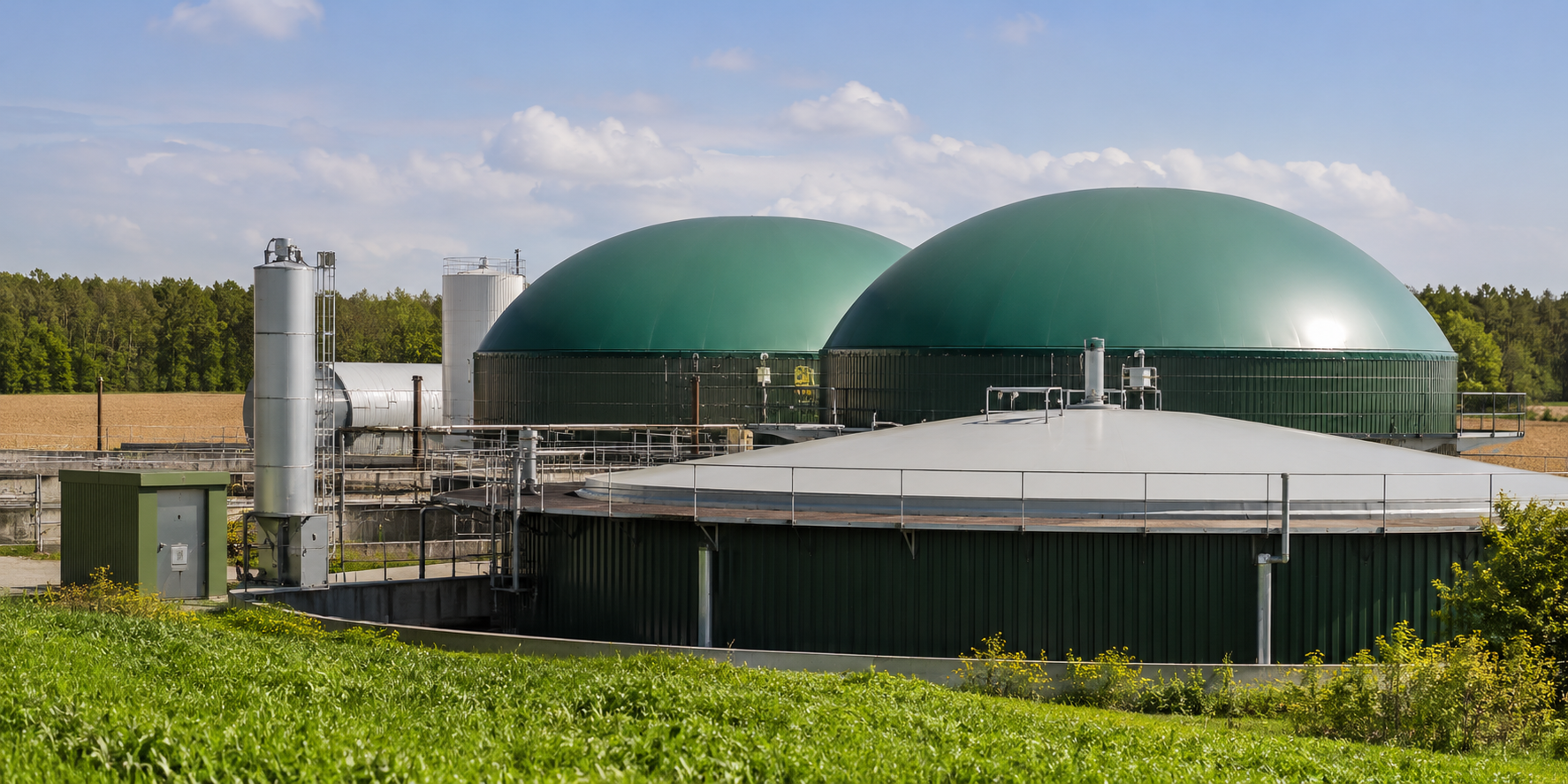
India Biogas Powering the Future of Renewable Energy and Waste Utilization

India Biogas is becoming an important part of the country’s renewable energy shift. It supports cleaner fuel production while helping manage organic waste from farms, cities, livestock, and food processing units. As India works to reduce fossil fuel dependence, biogas offers a practical way to convert everyday waste into usable energy. Its role is becoming more visible in transportation, electricity generation, heating, and rural energy systems.
Clean Energy from Organic Resources
Biogas is produced when organic material breaks down in the absence of oxygen. This process, known as anaerobic digestion, converts waste such as cattle dung, crop residue, municipal waste, sewage sludge, and pressmud into methane-rich gas. The gas can be used for cooking, heating, power generation, or upgraded into compressed biogas for vehicle fuel.
In India, the availability of organic waste creates a strong base for biogas development. Rural areas generate large volumes of animal and agricultural waste, while urban centers produce municipal solid waste and wastewater. When managed properly, these resources can reduce landfill pressure, lower methane emissions, and support circular energy systems.
Policy Support and Investment Momentum
According to MarkNtel Advisors, the India Biogas size was valued at around USD 1.32 billion in 2025 and is projected to reach USD 4.98 billion by 2032, with an estimated CAGR of around 20.89% during 2026–2032. This reflects rising policy support, stronger compressed biogas adoption, and expanding commercial-scale projects across the country.
Government initiatives such as SATAT, GOBARdhan, and the National Bioenergy Programme are supporting plant development, feedstock aggregation, and clean fuel adoption. Mandatory compressed biogas blending obligations are also expected to create more stable demand across city gas distribution networks. These measures may improve investor confidence and encourage more developers to participate in large and medium-scale projects.
Transportation Creating Practical Fuel Demand
Transportation is emerging as one of the most important application areas for compressed biogas in India. After purification and compression, biogas can be used similarly to compressed natural gas in vehicles. This makes it useful for buses, commercial fleets, municipal vehicles, and city transport systems. As blending targets increase, demand from the transport segment may become more predictable.
Compressed biogas can also help reduce dependence on imported fossil fuels. Since it is made from domestic organic waste, it supports local energy production and strengthens rural and urban waste value chains. For fleet operators and city gas companies, it may offer a cleaner fuel option while supporting emission reduction goals.
According to The International Energy Agency, biogas and biomethane can contribute to cleaner energy systems by using organic waste resources and reducing methane emissions from unmanaged decomposition.
Regional Strength Across North India
North India holds an important position in biogas development due to its strong agricultural base, high livestock density, and large availability of crop residue. States such as Punjab, Haryana, Uttar Pradesh, and Delhi NCR generate significant quantities of cattle dung, municipal waste, and agricultural residues. These resources provide a consistent feedstock base for both rural digesters and commercial compressed biogas plants.
Urban projects are also gaining attention. Waste-to-energy facilities in major cities are being designed to process cattle dung, sewage waste, and municipal organic waste into clean fuel and compost. This approach helps cities manage waste more effectively while producing usable energy. In agricultural regions, biogas plants may also help reduce open burning of residues by giving waste a productive economic value.
According to The Ministry of New and Renewable Energy, bioenergy programmes support the use of biomass resources for cleaner energy generation and decentralized renewable energy development across India.
Feedstock Availability and Financing Barriers
Cattle dung and livestock waste remain major feedstock sources because India has a large livestock population and steady daily dung generation. This makes cattle-based biogas systems suitable for rural households, dairy clusters, and commercial plants. Municipal waste, pressmud, and agricultural residues are also becoming more important as developers look for reliable and scalable input sources.
However, financing remains a challenge for many projects. Large compressed biogas plants require investment in land, digesters, purification systems, feedstock logistics, and pipeline or transport infrastructure. Lenders may view these projects as risky because of feedstock uncertainty, long repayment periods, and changing offtake conditions. Better financing models, stronger purchase agreements, and coordinated subsidy support could improve project viability.
According to The United Nations Environment Programme, improved organic waste management can reduce pollution, support resource efficiency, and help communities move toward more circular systems.
Key Companies Supporting Deployment
Several companies are active in India’s biogas and compressed biogas ecosystem. Key names include GAIL, Wartsila, Clarke Energy, GPS Renewable, PlanET-Biogas, Green Elephant Engineering Pvt. Ltd., Bharat Bio Gas Energy Ltd., KIS Group, Homebiogas, and Spectrum Renewable Energy Pvt. Ltd.
These companies support different parts of the value chain, including plant design, gas engines, technology supply, project development, engineering services, and decentralized biogas solutions. Their participation may help improve technical reliability, project execution, and wider adoption across rural, industrial, and municipal settings.
India Biogas is expected to play a stronger role in the country’s clean energy journey as waste utilization, fuel security, and emission reduction become more closely connected. Its ability to convert organic waste into fuel, compost, and useful energy makes it relevant for both rural and urban development. While financing and feedstock management remain important challenges, stronger policy support and commercial deployment could indicate a more structured future for biogas in India.


