English
 Arabic
 Français
 Spanish
 Portuguese
 Deutsch
 Turkish
 Dutch
Dutch
 Italiano
 Russian
 Romaian
 Portuguese (Brazil)
 Greek
Greek
 Réunionnais
 India
India
Modified PTFE Sheet Market to Reach USD 110.92 Million by 2032, Driven by Chemical Processing and Oil & Gas Demand
Services de rencontres |
2026-07-01 10:29:41
 Entreprises locales
 Runsound music
 La silver économie
 Affiliation Matrice 3x9
 Récompenses
 Babarun (BBRN)
 Calculez vos calories
 Collab Influenceurs
 Événementiels
 Procaly
 Affiliation
 Prêts Immobiliers

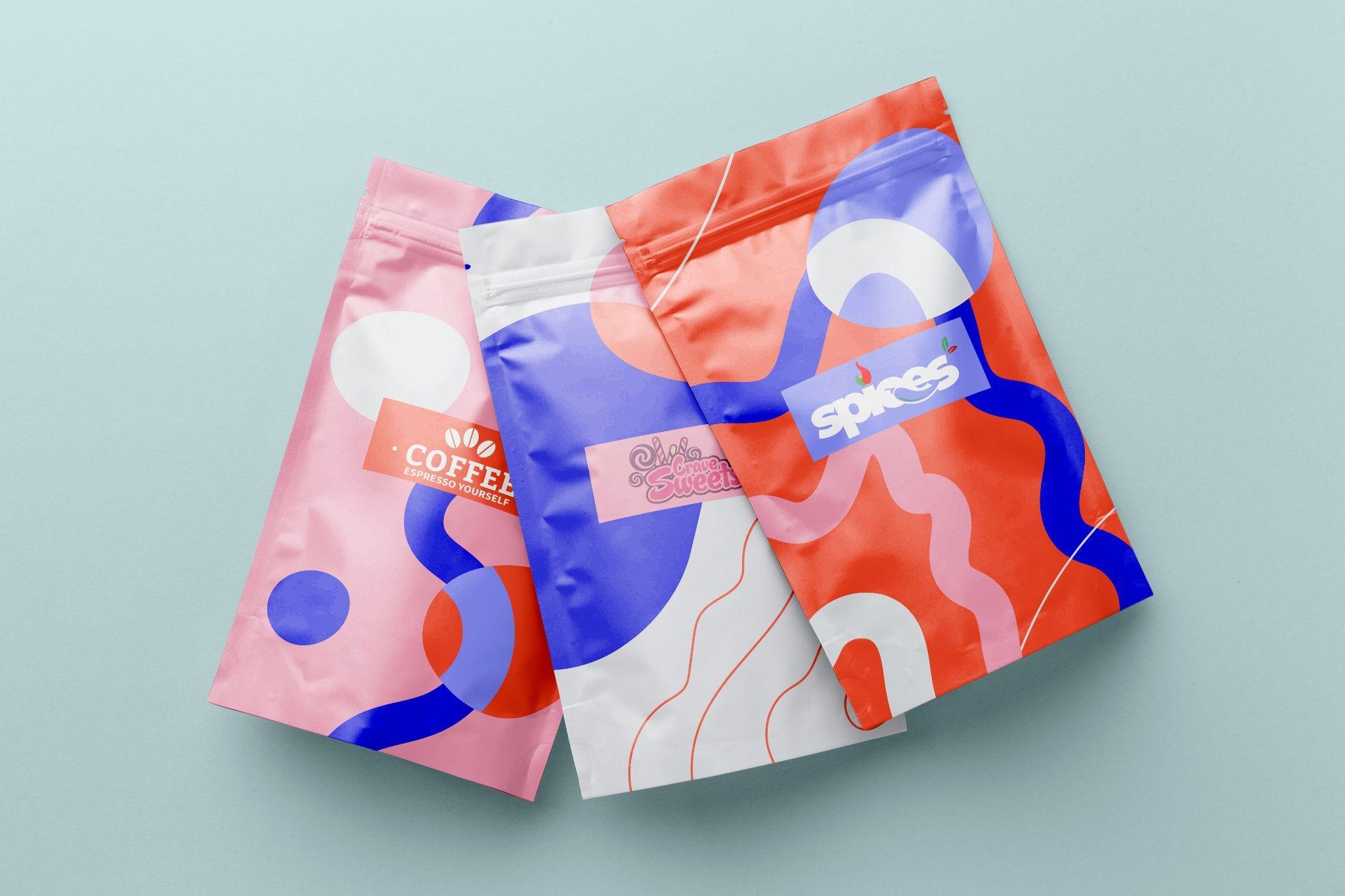
Custom Mylar labels are an essential part of modern product packaging. They help businesses communicate important product information, strengthen brand identity, and create a professional appearance that attracts customers. Whether used for food products, supplements, cosmetics, health items, or retail goods, well-designed Mylar labels can significantly impact customer perception and purchasing decisions.
A successful label combines attractive visuals with clear information and practical functionality. By following a structured design process, businesses can create custom Mylar labels that not only look great but also support marketing and compliance requirements.
This step-by-step guide explains how to design custom Mylar labels that enhance product presentation and strengthen brand recognition.
Labels are often the first thing customers notice when they see a product. A professionally designed label helps products stand out while providing essential information.
Custom Mylar labels offer several benefits:
Because Mylar labels are durable and resistant to moisture, scratches, and fading, they are ideal for various packaging applications.
Before beginning the design process, it's important to understand your brand identity.
Ask yourself:
Your label design should reflect your overall branding strategy and create consistency across all products.
Different products require different labeling approaches.
Consider:
For example, a luxury skincare product may require a premium minimalist label, while a snack product may benefit from bold colors and eye-catching graphics.
Accurate sizing is crucial for achieving a professional appearance.
Measure:
A properly sized label ensures important information remains visible and the design fits neatly on the package.
Label shape influences both aesthetics and functionality.
Popular options include:
The most common and versatile choice.
Provide a clean and modern appearance.
Ideal for logos, promotional seals, and specialty branding.
Unique shapes help products stand out and create stronger visual impact.
The shape should complement both the packaging and the overall brand image.
Colors play a major role in attracting customer attention and communicating brand personality.
Consider using colors that align with:
Examples include:
Consistent color usage improves brand recognition over time.
Your logo should be one of the most visible elements on the label.
Effective logo placement helps:
The logo should remain clear and readable even from a distance.
Typography affects both visual appeal and readability.
When selecting fonts:
A balanced typography system creates a clean and professional design.
Labels should clearly communicate important product details.
Depending on the product, this may include:
Clear information helps customers make informed purchasing decisions.
Customers often scan packaging quickly before making a purchase.
Use visual hierarchy to emphasize benefits such as:
Highlighting these features can improve product appeal and differentiation.
Graphics can make a label more engaging and memorable.
Popular design elements include:
However, avoid overcrowding the design with unnecessary visuals.
A clean layout often creates a stronger impact.
Modern packaging increasingly integrates digital experiences.
QR codes can link customers to:
These interactive elements help increase customer engagement.
Special finishes can elevate the appearance of custom Mylar labels.
Popular options include:
Provides a sophisticated and modern appearance.
Creates vibrant colors and enhanced visual appeal.
Highlights specific design elements with glossy accents.
Adds metallic effects that reinforce luxury branding.
Creates texture and premium tactile experiences.
These finishes can significantly improve perceived product value.
Many industries have specific labeling requirements.
Businesses should verify that labels comply with relevant regulations regarding:
Compliance helps avoid legal issues and builds customer trust.
Before mass production, review the label carefully.
Evaluate:
Printing sample versions allows businesses to identify and correct potential issues.
Products may be sold both in stores and online.
Labels should perform well in both environments.
For retail packaging:
For e-commerce packaging:
A versatile design supports multiple sales channels.
When designing custom Mylar labels, avoid:
Keeping the design simple and focused often produces the best results.
As packaging evolves, several trends are shaping label design.
Popular developments include:
Businesses that embrace these trends can improve customer engagement and remain competitive.
Designing custom Mylar labels requires a balance of branding, functionality, and visual appeal. From selecting the right colors and typography to incorporating premium finishes and digital features, every design decision influences how customers perceive a product.
A well-designed Mylar label not only communicates essential information but also strengthens brand recognition, increases shelf appeal, and supports long-term business growth. By following a structured design process, businesses can create labels that enhance packaging performance and leave a lasting impression on customers.
Whether launching a new product or refreshing existing packaging, investing time in thoughtful label design can deliver significant benefits for both branding and sales.