

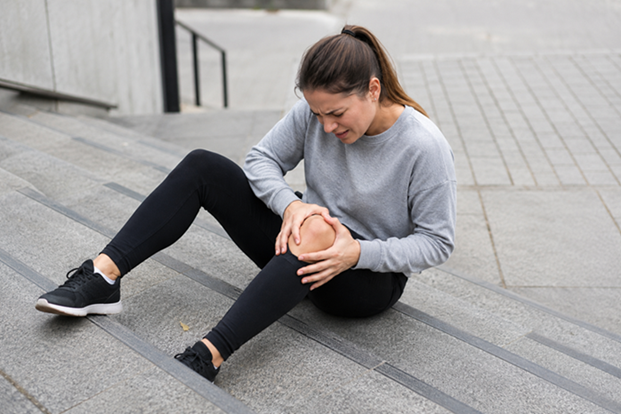
Knee Injuries from Falling: Symptoms, Treatment, and When to Seek Professional Care

A simple fall can lead to more than just temporary pain. Whether you slip on a wet floor, trip on uneven pavement, fall during sports activities, or experience a workplace accident, your knees often absorb a significant amount of impact. Because the knee is one of the body's largest and most complex joints, even a seemingly minor fall can result in injuries that affect mobility, stability, and quality of life.
Understanding the signs of knee injuries from falling can help you seek appropriate treatment and prevent long-term complications.
Why Falls Commonly Cause Knee Injuries
When a person falls, the knee may twist, bend awkwardly, or directly strike the ground. This sudden force can damage bones, ligaments, tendons, cartilage, or soft tissues surrounding the joint.
The severity of the injury often depends on factors such as:
- The height of the fall
- Surface impact
- Age and physical condition
- Existing knee problems
- Direction of the fall
Even low-impact falls can cause significant damage if the knee twists unnaturally during the accident.
Common Symptoms After Falling on Your Knee
Not every knee injury produces immediate severe pain. Some symptoms may develop over several hours or even days.
Watch for the following warning signs:
Persistent Pain
Pain that continues beyond minor soreness may indicate damage to ligaments, cartilage, or other internal structures.
Swelling
Inflammation often occurs when tissues become injured. Rapid swelling may suggest a more serious injury.
Difficulty Walking
If standing, walking, or bearing weight becomes painful, professional evaluation is recommended.
Knee Instability
A feeling that the knee may "give out" can indicate ligament damage.
Limited Range of Motion
Difficulty bending or straightening the knee often points to joint inflammation or structural injury.
Bruising
Visible bruising may indicate soft tissue trauma or deeper internal damage.
Types of Knee Injuries That Can Result from a Fall
Several different injuries may occur after a fall, including:
Knee Sprains
A sprain occurs when ligaments are stretched or torn. Mild sprains may heal with conservative care, while severe injuries may require advanced treatment.
Meniscus Tears
The meniscus acts as a cushion between the thighbone and shinbone. Twisting during a fall can cause tears that lead to pain, swelling, and joint locking.
Patellar Injuries
Direct impact can damage the kneecap, resulting in bruising, fractures, or dislocation.
Tendon Injuries
Falls may strain or tear tendons that support knee movement and stability.
Cartilage Damage
Articular cartilage helps joints move smoothly. Damage may lead to persistent pain and stiffness if left untreated.
For a detailed overview of specific conditions, readers can explore common knee injuries associated with falls and impact-related accidents.
What to Do Immediately After a Fall
Taking the right steps after an accident can help minimize additional damage.
1. Stop Physical Activity
Avoid walking excessively or continuing strenuous activities if knee pain develops.
2. Apply Ice
Ice can help reduce swelling and inflammation during the first 24 to 48 hours.
3. Elevate the Leg
Keeping the knee elevated may assist with swelling control.
4. Use Compression
A compression wrap can provide support and reduce fluid buildup.
5. Monitor Symptoms
If pain worsens, swelling increases, or mobility declines, seek medical evaluation.
When Should You Seek Professional Care?
While minor bruises often heal on their own, some symptoms require prompt medical attention.
Consider seeing a healthcare provider if you experience:
- Severe pain
- Inability to bear weight
- Significant swelling
- Knee instability
- Locking or catching sensations
- Visible deformity
- Symptoms lasting longer than a few days
Early diagnosis can help identify hidden injuries before they become chronic problems.
Treatment Options for Knee Injuries
Treatment depends on the specific injury and its severity.
Conservative Care
Many mild injuries respond well to:
- Rest
- Ice therapy
- Compression
- Elevation
- Physical therapy exercises
- Activity modification
Rehabilitation Programs
Physical therapy can help restore strength, flexibility, balance, and joint function.
Chiropractic and Musculoskeletal Care
Some patients benefit from non-invasive approaches that focus on joint function, movement patterns, and recovery support.
Advanced Medical Treatment
Severe ligament tears, fractures, or structural damage may require orthopedic intervention or surgery.
Preventing Future Knee Injuries
Although accidents cannot always be avoided, certain strategies can reduce injury risk:
- Wear supportive footwear
- Maintain lower-body strength
- Improve balance and coordination
- Address slippery walking surfaces
- Use handrails when available
- Stay physically active to support joint stability
Preventive measures are especially important for older adults and individuals with previous knee injuries.
Final Thoughts
Knee injuries from falling can range from mild bruises to serious structural damage that affects daily life. Paying attention to symptoms, seeking timely treatment, and following a structured recovery plan can improve outcomes and help prevent long-term complications.
If knee pain, swelling, instability, or limited movement develops after a fall, professional evaluation can help determine the underlying cause and guide the most effective treatment plan.


