

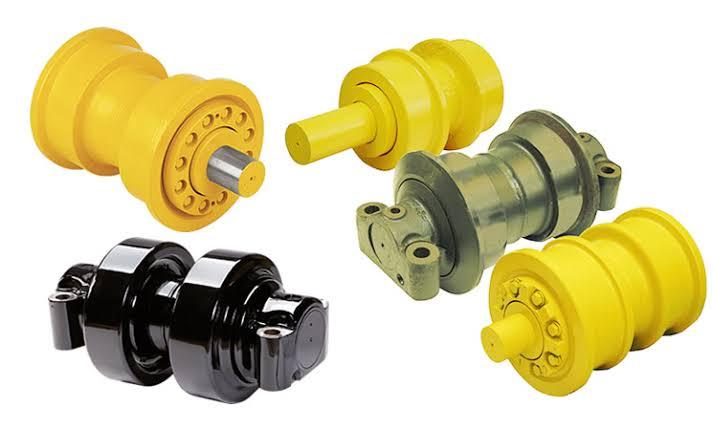

The operational success of earthmoving and construction equipment relies heavily on the structural integrity and precision of its undercarriage components. At the center of this movement system is the Idler, a vital mechanism that guides the track chain, maintains optimal tension, and ensures that the power generated by the drive system is effectively transferred to the ground. By maintaining a clear path for the tracks to travel, this component minimizes friction and prevents derailment, thereby safeguarding the overall performance of the machine. Operators who prioritize the quality and alignment of these guiding parts create a more stable platform, which allows for increased productivity and a smoother operation during heavy-duty tasks in demanding work environments.
The Importance of Undercarriage Architecture
The undercarriage serves as the interface between massive machinery and the terrain it traverses. It is an intricate system of interconnected parts designed to handle significant weight and distribute it evenly. Beyond merely supporting the machine, the undercarriage must endure constant vibration, abrasive materials, and varying ground conditions.
A well-engineered undercarriage is a critical asset. It allows for the precise movement required for tasks like fine grading, trenching, and lifting. By utilizing high-strength materials and advanced design geometry, modern manufacturers ensure that these systems are both durable and responsive, providing the reliability that construction projects demand.
Advancements in Metallurgical Durability
The evolution of heavy equipment components has been driven by improvements in material science. Today, the focus is on creating parts that can survive in extreme environments without succumbing to fatigue. Heat-treatment processes have become the gold standard, allowing for a surface hardness that resists abrasion while maintaining a ductile core to prevent cracking.
These advancements mean that parts are now more resistant to "spalling" and deformation. The refined grain structure of modern steel alloys ensures that even under the stress of high-torque operations, the geometry of the components remains stable, ensuring consistent engagement with the track chain over an extended service life.
Supporting the Track System for Optimal Performance
To maintain the efficiency of the track chain as it loops back from the ground to the drive sprocket, the Carrier Roller serves as a critical support mechanism. By holding the track clear of the main frame and preventing it from sagging, this component ensures that the movement remains fluid and steady. Proper support from these rollers significantly reduces the risk of excessive vibration and helps maintain the tension required for precise handling. When these rollers are maintained in good working condition, the entire undercarriage functions as a cohesive unit, reducing the mechanical burden on the drive system and providing a smoother experience for the operator.
Strategies for Proactive Undercarriage Care
The longevity of heavy machinery is directly linked to the commitment to a consistent, proactive maintenance schedule. Rather than reacting to component failures, successful operators focus on preventative measures that identify wear patterns early.
-
Seal Preservation: The seals within rollers and idlers are the first line of defense against contamination. Regular checks ensure that no lubricants are escaping and no dirt is entering.
-
Alignment Checks: Ensuring that the track is centered on the rollers and idlers prevents uneven flange wear, which is one of the most common causes of premature component replacement.
-
Debris Removal: Clearing mud, gravel, and snow from the track frame is essential. Material build-up can create excessive tension and grind against seals, leading to rapid, preventable wear across the entire system.
The Synergy of Proper Alignment and Fuel Efficiency
An often-overlooked aspect of machine maintenance is the relationship between component alignment and fuel consumption. When the track system is perfectly aligned, the machine moves with minimal rolling resistance. Every bit of friction saved is energy that goes directly into the work.
This alignment also extends the life of the hydraulic motors and the drive train. When the machine does not have to fight against internal binding or misaligned tracks, it operates at lower temperatures and with less stress. This creates a more stable, predictable, and cost-effective machine that is capable of completing longer shifts with greater efficiency.
The Future of Smart Undercarriage Technology
The industry is currently transitioning toward data-informed equipment management. By integrating sensors into the undercarriage, operators can now monitor the temperature and vibration of critical components in real-time. This allows for predictive maintenance, where parts are replaced based on their actual wear status rather than relying on estimated hours of operation.
This digital integration is set to revolutionize the way construction firms manage their fleets. By minimizing unexpected downtime and optimizing the replacement cycles of individual components, companies can significantly reduce their long-term operational costs and maintain a higher level of site productivity.
Sealing Technologies and Environmental Protection
Modern sealing technology is a testament to the advancements in the field. High-pressure, multi-piece mechanical seals ensure that the internal lubricant is protected from the harshest conditions, including water submersion, extreme heat, and abrasive dust. These sealed systems are designed to be maintenance-free for thousands of hours, allowing the machine to be used in remote and diverse locations without the need for constant servicing. This level of environmental protection is what allows modern heavy equipment to be as versatile and dependable as it is today.
Conclusion
The health and longevity of heavy machinery are heavily dependent on the quality and maintenance of its undercarriage system. From the guidance provided by the idler to the essential support of the carrier roller, every component plays a specific role in ensuring that the machine remains stable, productive, and efficient. Through the use of superior materials, diligent maintenance practices, and an focus on proper alignment, operators can protect their investment and ensure that their equipment continues to perform at its best. By embracing both traditional engineering principles and modern technological advancements, the construction and earthmoving industries continue to reach new levels of performance and reliability.
Frequently Asked Questions
Why is it important to prevent debris from packing into the track frame?
Packed debris increases the internal pressure on all rollers and seals, leading to accelerated wear and potentially causing the track to stretch or snap under the added tension.
How do I know if my idler is wearing down incorrectly?
You should look for signs of uneven wear on the tread surface or the flanges. If the track appears to be riding off-center, it is a clear indicator that the idler or track alignment needs attention.
What is the advantage of using high-quality aftermarket components?
High-quality aftermarket components are designed to meet or exceed original equipment standards, providing a cost-effective solution for maintaining machine performance without compromising on durability.
Can regular cleaning improve the lifespan of my rollers?
Absolutely. Cleaning the undercarriage removes abrasive materials like sand and silt that can act as a grinding paste against the seals and running surfaces of your rollers.
How does proper tension affect the fuel economy of the machine?
When the track tension is correct, the machine operates with less rolling resistance. This means the engine does not have to work as hard to overcome internal friction, resulting in noticeable savings in fuel consumption.


